
引起呼吸道感染的肺炎球菌的表型和分子研究。一项为期3年的前瞻性队列研究。
Phenotypic and molecular study of pneumococci causing respiratory tract infections. A 3-year prospective cohort.
作者信息
Alnimr Amani M, Farhat Maha
机构信息
Department of Medical Microbiology, College of Medicine, University of Dammam, Dammam, Kingdom of Saudi Arabia. E-mail.
出版信息
Saudi Med J. 2017 Apr;38(4):350-358. doi: 10.15537/smj.2017.4.17976.
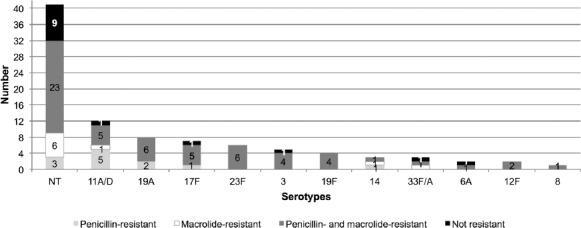
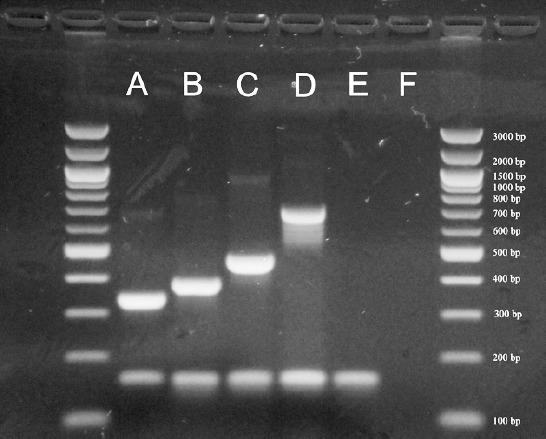
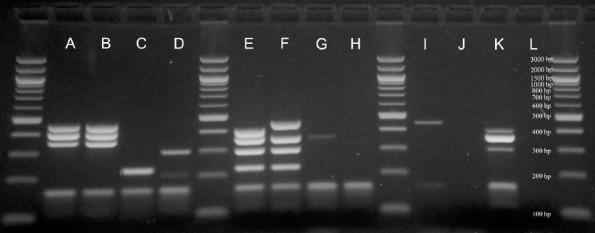
To study serotype distribution and antimicrobial resistance to beta-lactams and macrolides in pneumococci causing respiratory diseases after the introduction of the 13-valent pneumococcal conjugate vaccine in Saudi Arabia. Methods: This is a hospital-based and a cross-sectional prospective surveillance study conducted at King Fahad Hospital of the University, AlKhobar, Kingdom of Saudi Arabia, in which respiratory pneumococcal isolates collected between 2012 and 2014 were serotyped by multiplex sequential polymerase chain reaction (PCR) and Pneumotest-Latex. Resistance genes to beta-lactams and macrolides were detected by multiplex PCR. Results: The most common serotypes encountered were 11A, 19A, 17F, 23F, 3, and 19F, representing 64% of the typeable strains. Interestingly, 24% of the 94 isolates were not typeable and 18% were negative for the housekeeping gene cpsA. Among the 53 typeable pneumococci isolates, 36 (67.9%) carried genes encoding resistance to both penicillin and macrolides, 9 (17%) were penicillin-monoresistant, 3 (5.6%) were macrolide-monoresistant, and 5 (9.4%) were designated non-resistant. The high rate of resistance genes did not significantly differ according to serotype (p=0.76). Similarly, non-typeable pneumococci (cpsA+ and cpsA-) had high rates of resistance to both penicillin (62.5%) and macrolides (47%). Conclusion: These data highlight the emergence of a previously rare capsular type, 11A (mean patient age, 29 years; p=0.001). Moreover, the high percentage of non-typeable isolates shows the emergence of possible atypical pneumococcal serotypes not covered by available vaccines.
在沙特阿拉伯引入13价肺炎球菌结合疫苗后,研究引起呼吸道疾病的肺炎球菌的血清型分布以及对β-内酰胺类和大环内酯类抗生素的耐药性。方法:这是一项在沙特阿拉伯王国胡拜尔法赫德国王大学医院进行的基于医院的横断面前瞻性监测研究,对2012年至2014年期间收集的呼吸道肺炎球菌分离株采用多重序列聚合酶链反应(PCR)和肺炎球菌乳胶凝集试验进行血清分型。通过多重PCR检测对β-内酰胺类和大环内酯类抗生素的耐药基因。结果:最常见的血清型为11A、19A、17F、23F、3和19F,占可分型菌株的64%。有趣的是,94株分离株中有24%无法分型,18%的看家基因cpsA呈阴性。在53株可分型肺炎球菌分离株中,36株(67.9%)携带对青霉素和大环内酯类抗生素均耐药的基因,9株(17%)对青霉素单耐药,3株(5.6%)对大环内酯类单耐药,5株(9.4%)为非耐药。耐药基因的高发生率在各血清型之间无显著差异(p = 0.76)。同样,不可分型肺炎球菌(cpsA +和cpsA -)对青霉素(62.5%)和大环内酯类抗生素(47%)的耐药率也很高。结论:这些数据突出了以前罕见的荚膜型11A的出现(平均患者年龄29岁;p = 0.001)。此外,不可分型分离株的高比例表明可能出现了现有疫苗未涵盖的非典型肺炎球菌血清型。
 Zotero 插件