
依赖动力相关蛋白1(Drp1)的线粒体自噬通过改善线粒体功能来保护肾小管上皮细胞免受顺铂诱导的细胞凋亡。
Drp1-dependent mitophagy protects against cisplatin-induced apoptosis of renal tubular epithelial cells by improving mitochondrial function.
作者信息
Zhao Chuanyan, Chen Zhuyun, Qi Jia, Duan Suyan, Huang Zhimin, Zhang Chengning, Wu Lin, Zeng Ming, Zhang Bo, Wang Ningning, Mao Huijuan, Zhang Aihua, Xing Changying, Yuan Yanggang
机构信息
Department of Nephrology, the First Affiliated Hospital of Nanjing Medical University, Nanjing Medical University, Nanjing, China.
Department of Pharmacy, Xinhua Hospital Affiliated to Shanghai Jiaotong University School of Medicine, Shanghai, China.
出版信息
Oncotarget. 2017 Mar 28;8(13):20988-21000. doi: 10.18632/oncotarget.15470.
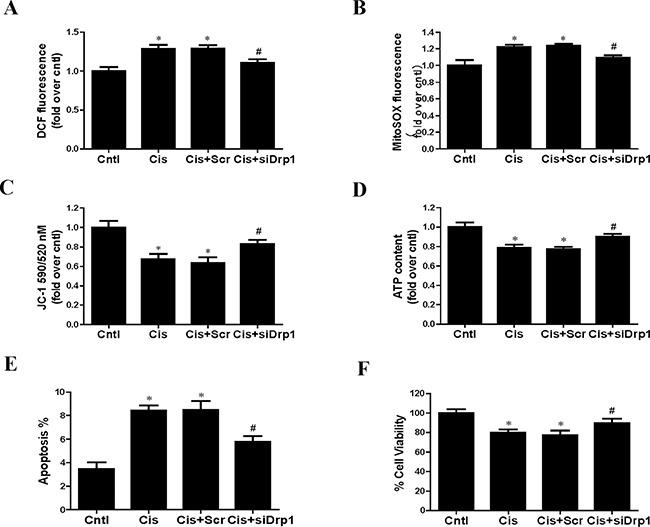
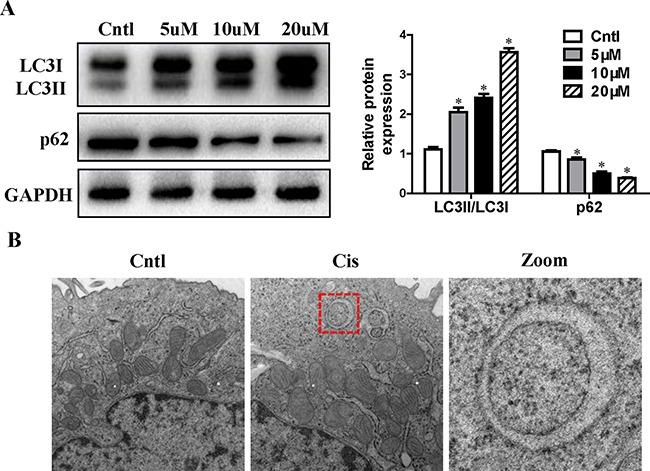
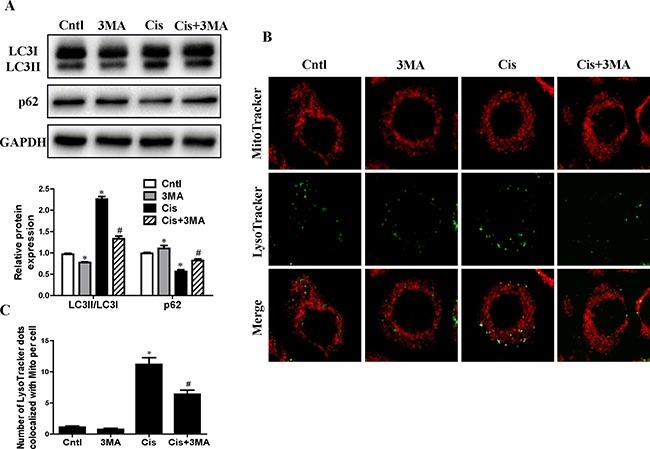
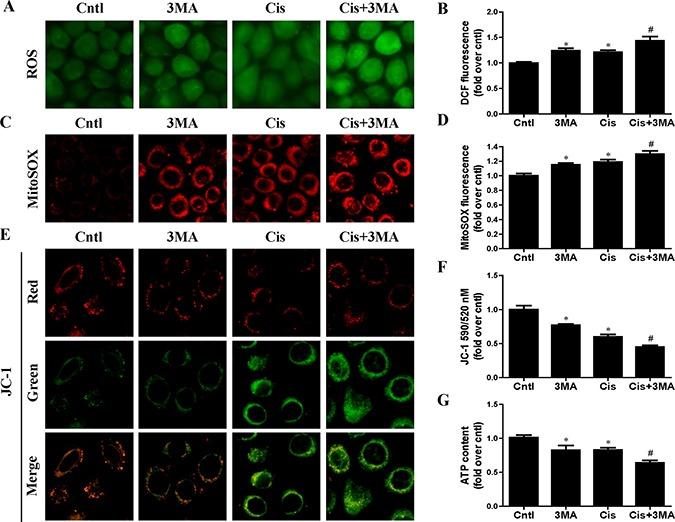
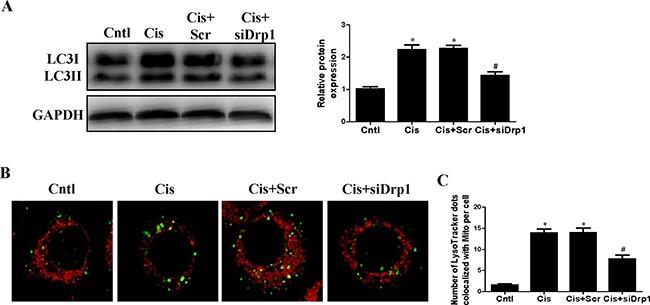
Cisplatin chemotherapy often causes acute kidney injury (AKI) in cancer patients. There is increasing evidence that mitochondrial dysfunction plays an important role in cisplatin-induced nephrotoxicity. Degradation of damaged mitochondria is carried out by mitophagy. Although mitophagy is considered of particular importance in protecting against AKI, little is known of the precise role of mitophagy and its molecular mechanisms during cisplatin-induced nephrotoxicity. Also, evidence that activation of mitophagy improved mitochondrial function is lacking. Furthermore, several evidences have shown that mitochondrial fission coordinates with mitophagy. The aim of this study was to investigate whether activation of mitophagy protects against mitochondrial dysfunction and renal proximal tubular cells injury during cisplatin treatment. The effect of mitochondrial fission on mitophagy was also investigated. In cultured human renal proximal tubular cells, we observed that 3-methyladenine, a pharmacological inhibitor of autophagy, blocked mitophagy and exacerbated cisplatin-induced mitochondrial dysfunction and cells injury. In contrast, autophagy activator rapamycin enhanced mitophagy and protected against the harmful effects of cisplatin on mitochondrial function and cells viability. Suppression of mitochondrial fission by knockdown of its main regulator dynamin-related protein-1 (Drp1) decreased cisplatin-induced mitophagy. Meanwhile, Drp1 suppression protected against cisplatin-induced cells injury by inhibiting mitochondrial dysfunction. Our results provide evidence that Drp1-depedent mitophagy has potential as renoprotective targets for the treatment of cisplatin-induced AKI.
顺铂化疗常常导致癌症患者发生急性肾损伤(AKI)。越来越多的证据表明,线粒体功能障碍在顺铂诱导的肾毒性中起重要作用。受损线粒体的降解是通过线粒体自噬来进行的。尽管线粒体自噬被认为在预防AKI中尤为重要,但对于顺铂诱导的肾毒性期间线粒体自噬的确切作用及其分子机制知之甚少。此外,缺乏线粒体自噬激活改善线粒体功能的证据。而且,有多项证据表明线粒体分裂与线粒体自噬相互协调。本研究的目的是调查线粒体自噬激活是否能在顺铂治疗期间预防线粒体功能障碍和肾近端小管细胞损伤。同时也研究了线粒体分裂对线粒体自噬的影响。在培养的人肾近端小管细胞中,我们观察到自噬的药理学抑制剂3-甲基腺嘌呤可阻断线粒体自噬,并加剧顺铂诱导的线粒体功能障碍和细胞损伤。相反,自噬激活剂雷帕霉素增强了线粒体自噬,并预防了顺铂对线粒体功能和细胞活力的有害影响。通过敲低其主要调节因子动力相关蛋白1(Drp1)来抑制线粒体分裂,可减少顺铂诱导的线粒体自噬。同时,Drp1抑制通过抑制线粒体功能障碍来预防顺铂诱导的细胞损伤。我们的结果提供了证据,表明依赖Drp1的线粒体自噬有潜力作为治疗顺铂诱导的AKI的肾脏保护靶点。



 Zotero 插件