
顺铂诱导的急性肾损伤中的自噬和坏死性凋亡:关于其作用和治疗潜力的最新进展
Autophagy and necroptosis in cisplatin-induced acute kidney injury: Recent advances regarding their role and therapeutic potential.
作者信息
Alassaf Noha, Attia Hala
机构信息
Department of Pharmacology and Toxicology, College of Pharmacy, King Saud University, Riyadh, Saudi Arabia.
Department of Biochemistry, College of Pharmacy, Mansoura University, Mansoura, Egypt.
出版信息
Front Pharmacol. 2023 Jan 30;14:1103062. doi: 10.3389/fphar.2023.1103062. eCollection 2023.
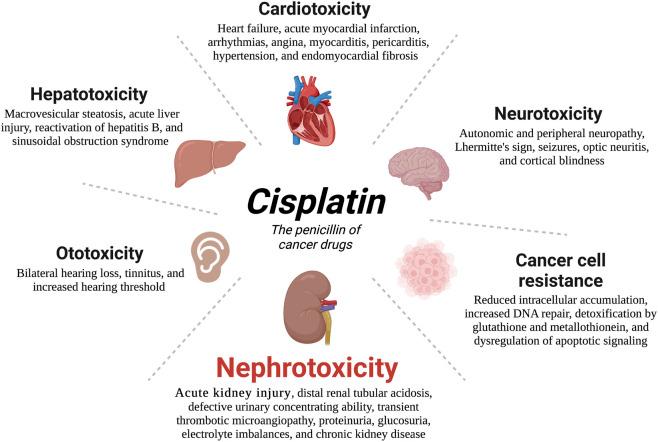
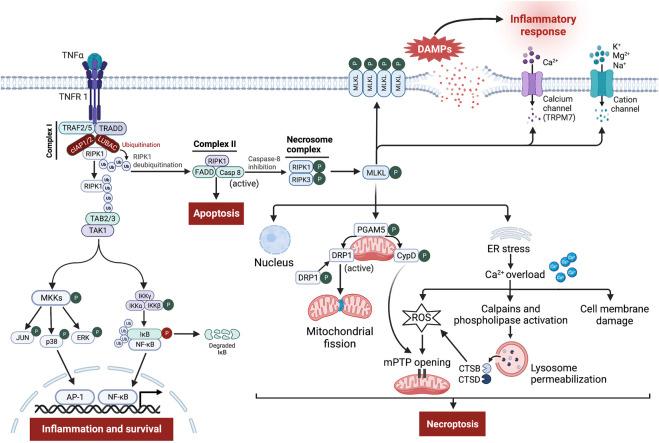
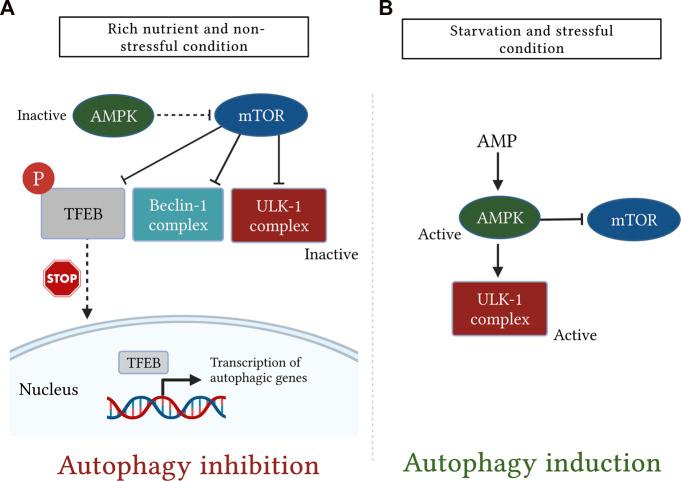
Cisplatin (CP) is a broad-spectrum antineoplastic agent, used to treat many different types of malignancies due to its high efficacy and low cost. However, its use is largely limited by acute kidney injury (AKI), which, if left untreated, may progress to cause irreversible chronic renal dysfunction. Despite substantial research, the exact mechanisms of CP-induced AKI are still so far unclear and effective therapies are lacking and desperately needed. In recent years, necroptosis, a novel subtype of regulated necrosis, and autophagy, a form of homeostatic housekeeping mechanism have witnessed a burgeoning interest owing to their potential to regulate and alleviate CP-induced AKI. In this review, we elucidate in detail the molecular mechanisms and potential roles of both autophagy and necroptosis in CP-induced AKI. We also explore the potential of targeting these pathways to overcome CP-induced AKI according to recent advances.
顺铂(CP)是一种广谱抗肿瘤药物,因其高效且低成本而被用于治疗多种不同类型的恶性肿瘤。然而,其应用在很大程度上受到急性肾损伤(AKI)的限制,如果不进行治疗,可能会进展为不可逆转的慢性肾功能障碍。尽管进行了大量研究,但CP诱导的AKI的确切机制仍不清楚,且缺乏有效的治疗方法,迫切需要找到有效的治疗手段。近年来,坏死性凋亡作为一种新型的程序性坏死亚型,以及自噬作为一种内稳态维持机制,因其在调节和减轻CP诱导的AKI方面的潜力而受到越来越多的关注。在这篇综述中,我们详细阐述了自噬和坏死性凋亡在CP诱导的AKI中的分子机制和潜在作用。我们还根据最近的进展探讨了靶向这些途径以克服CP诱导的AKI的潜力。



 Zotero 插件