
卡波西肉瘤相关疱疹病毒的再激活与裂解性复制:最新进展
Reactivation and Lytic Replication of Kaposi's Sarcoma-Associated Herpesvirus: An Update.
作者信息
Aneja Kawalpreet K, Yuan Yan
机构信息
Department of Microbiology, University of Pennsylvania School of Dental Medicine, PhiladelphiaPA, USA.
出版信息
Front Microbiol. 2017 Apr 20;8:613. doi: 10.3389/fmicb.2017.00613. eCollection 2017.
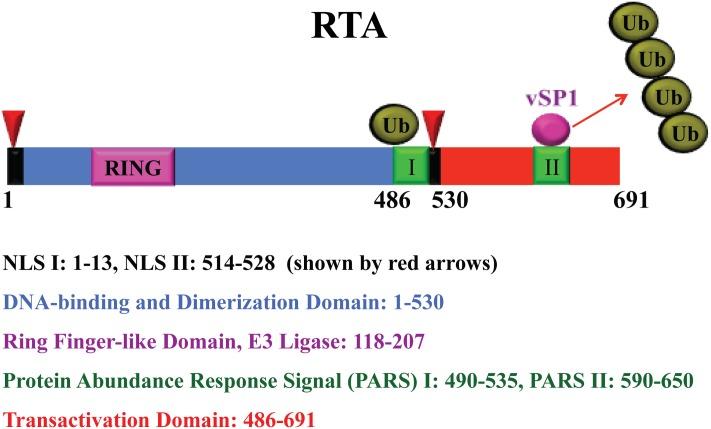
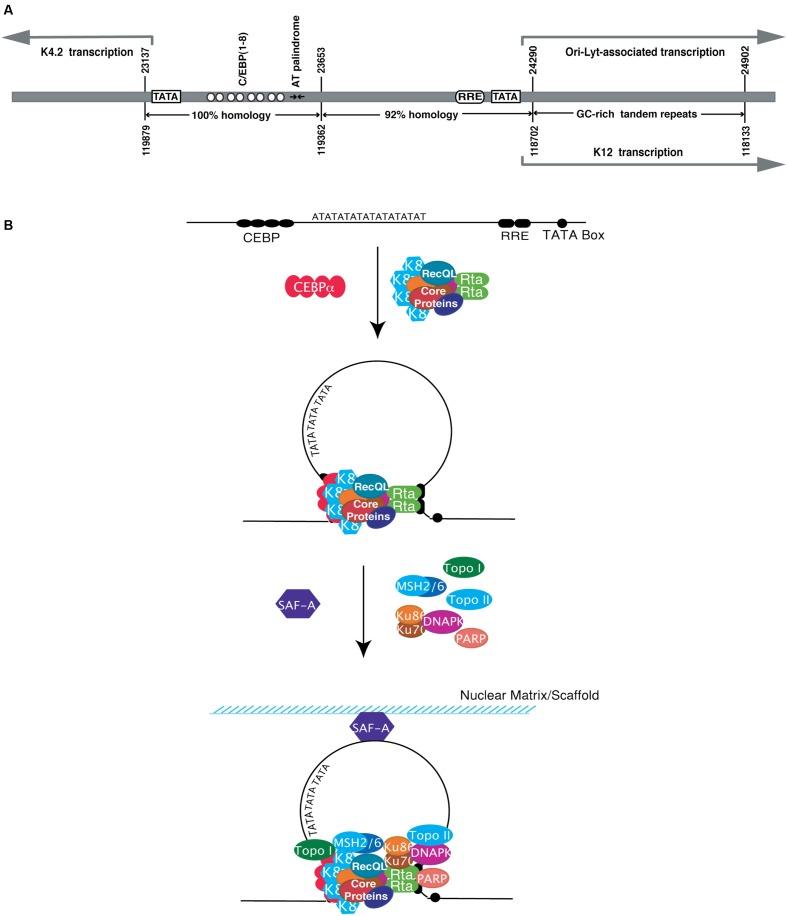
The life cycle of Kaposi's sarcoma-associated herpesvirus (KSHV) consists of two phases, latent and lytic. The virus establishes latency as a strategy for avoiding host immune surveillance and fusing symbiotically with the host for lifetime persistent infection. However, latency can be disrupted and KSHV is reactivated for entry into the lytic replication. Viral lytic replication is crucial for efficient dissemination from its long-term reservoir to the sites of disease and for the spread of the virus to new hosts. The balance of these two phases in the KSHV life cycle is important for both the virus and the host and control of the switch between these two phases is extremely complex. Various environmental factors such as oxidative stress, hypoxia, and certain chemicals have been shown to switch KSHV from latency to lytic reactivation. Immunosuppression, unbalanced inflammatory cytokines, and other viral co-infections also lead to the reactivation of KSHV. This review article summarizes the current understanding of the initiation and regulation of KSHV reactivation and the mechanisms underlying the process of viral lytic replication. In particular, the central role of an immediate-early gene product RTA in KSHV reactivation has been extensively investigated. These studies revealed multiple layers of regulation in activation of RTA as well as the multifunctional roles of RTA in the lytic replication cascade. Epigenetic regulation is known as a critical layer of control for the switch of KSHV between latency and lytic replication. The viral non-coding RNA, PAN, was demonstrated to play a central role in the epigenetic regulation by serving as a guide RNA that brought chromatin remodeling enzymes to the promoters of RTA and other lytic genes. In addition, a novel dimension of regulation by microPeptides emerged and has been shown to regulate RTA expression at the protein level. Overall, extensive investigation of KSHV reactivation and lytic replication has revealed a sophisticated regulation network that controls the important events in KSHV life cycle.
卡波西肉瘤相关疱疹病毒(KSHV)的生命周期包括潜伏期和裂解期两个阶段。病毒建立潜伏期是为了避免宿主免疫监视,并与宿主共生融合以实现终身持续感染。然而,潜伏期可能会被打破,KSHV会重新激活以进入裂解复制阶段。病毒的裂解复制对于从其长期储存库有效传播到疾病部位以及将病毒传播到新宿主至关重要。KSHV生命周期中这两个阶段的平衡对病毒和宿主都很重要,而控制这两个阶段之间的转换极其复杂。各种环境因素,如氧化应激、缺氧和某些化学物质,已被证明可使KSHV从潜伏期转变为裂解性再激活。免疫抑制、失衡的炎性细胞因子和其他病毒共感染也会导致KSHV的再激活。这篇综述文章总结了目前对KSHV再激活的起始和调控以及病毒裂解复制过程的潜在机制的理解。特别是,立即早期基因产物RTA在KSHV再激活中的核心作用已得到广泛研究。这些研究揭示了RTA激活过程中的多层调控以及RTA在裂解复制级联反应中的多功能作用。表观遗传调控是已知的KSHV在潜伏期和裂解复制之间转换的关键控制层。病毒非编码RNA,PAN,被证明通过作为引导RNA发挥核心作用,将染色质重塑酶带到RTA和其他裂解基因的启动子上。此外,微小肽调控的一个新维度出现了,并已被证明在蛋白质水平上调控RTA的表达。总体而言,对KSHV再激活和裂解复制的广泛研究揭示了一个复杂的调控网络,该网络控制着KSHV生命周期中的重要事件。



 Zotero 插件