
面向成年听力损失患者的直接面向消费者的听力设备应用:一项综述。
Applications of direct-to-consumer hearing devices for adults with hearing loss: a review.
作者信息
Manchaiah Vinaya, Taylor Brian, Dockens Ashley L, Tran Nicole R, Lane Kayla, Castle Mariana, Grover Vibhu
机构信息
Department of Speech and Hearing Sciences, Lamar University, Beaumont, TX, USA.
The Swedish Institute for Disability Research, Department of Behavioural Sciences and Learning, Linköping University, Linköping, Sweden.
出版信息
Clin Interv Aging. 2017 May 18;12:859-871. doi: 10.2147/CIA.S135390. eCollection 2017.
BACKGROUND
This systematic literature review is aimed at investigating applications of direct-to-consumer hearing devices for adults with hearing loss. This review discusses three categories of direct-to-consumer hearing devices: 1) personal sound amplification products (PSAPs), 2) direct-mail hearing aids, and 3) over-the-counter (OTC) hearing aids.
METHOD
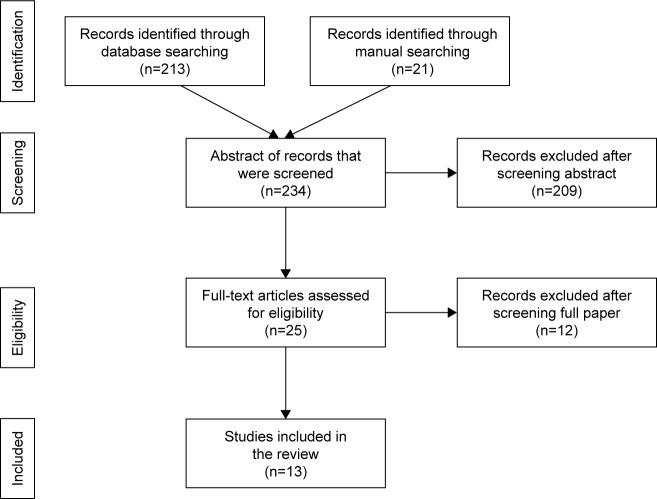
A literature review was conducted using EBSCOhost and included the databases CINAHL, MEDLINE, and PsycINFO. After applying prior agreed inclusion and exclusion criteria, 13 reports were included in the review.
RESULTS
Included studies fell into three domains: 1) electroacoustic characteristics, 2) consumer surveys, and 3) outcome evaluations. Electroacoustic characteristics of these devices vary significantly with some meeting the stringent acoustic criteria used for hearing aids, while others producing dangerous output levels (ie, over 120-dB sound pressure level). Low-end (or low-cost) devices were typically poor in acoustic quality and did not meet gain levels necessary for most adult and elderly hearing loss patterns (eg, presbycusis), especially in high frequencies. Despite direct-mail hearing aids and PSAPs being associated with lower satisfaction when compared to hearing aids purchased through hearing health care professionals, consumer surveys suggest that 5%-19% of people with hearing loss purchase hearing aids through direct-mail or online. Studies on outcome evaluation suggest positive outcomes of OTC devices in the elderly population. Of note, OTC outcomes appear better when a hearing health care professional supports these users.
CONCLUSION
While some direct-to-consumer hearing devices have the capability to produce adverse effects due to production of dangerously high sound levels and internal noise, the existing literature suggests that there are potential benefits of these devices. Research of direct-to-consumer hearing devices is limited, and current published studies are of weak quality. Much effort is needed to understand the benefits and limitations of such devices on people with hearing loss.
背景
本系统文献综述旨在调查面向成年听力损失患者的直接面向消费者的听力设备的应用情况。本综述讨论了三类直接面向消费者的听力设备:1)个人声音放大产品(PSAP),2)直邮助听器,以及3)非处方(OTC)助听器。
方法
使用EBSCOhost进行文献综述,纳入的数据库有CINAHL、MEDLINE和PsycINFO。在应用事先商定的纳入和排除标准后,13篇报告被纳入本综述。
结果
纳入的研究分为三个领域:1)电声特性,2)消费者调查,以及3)结果评估。这些设备的电声特性差异很大,一些符合用于助听器的严格声学标准,而另一些则产生危险的输出水平(即声压级超过120分贝)。低端(或低成本)设备的声学质量通常较差,不符合大多数成人和老年人听力损失模式(如老年性耳聋)所需的增益水平,尤其是在高频方面。尽管与通过听力保健专业人员购买的助听器相比,直邮助听器和PSAP的满意度较低,但消费者调查显示,5%-19%的听力损失患者通过直邮或在线方式购买助听器。结果评估研究表明,OTC设备对老年人群有积极效果。值得注意的是,当有听力保健专业人员支持这些用户时,OTC设备的效果似乎更好。
结论
虽然一些直接面向消费者的听力设备由于产生危险的高声级和内部噪音而有产生不良影响的可能性,但现有文献表明这些设备有潜在益处。对直接面向消费者的听力设备的研究有限,目前已发表的研究质量较低。需要付出很大努力来了解此类设备对听力损失患者的益处和局限性。
 Zotero 插件