
褪黑素抑制雄激素受体剪接变体7(AR-V7)诱导的核因子-κB(NF-κB)激活以及NF-κB激活剂诱导的前列腺癌细胞中AR-V7的表达:褪黑素在去势抵抗性前列腺癌(CRPC)治疗中应用的潜在意义。
Melatonin Inhibits Androgen Receptor Splice Variant-7 (AR-V7)-Induced Nuclear Factor-Kappa B (NF-κB) Activation and NF-κB Activator-Induced AR-V7 Expression in Prostate Cancer Cells: Potential Implications for the Use of Melatonin in Castration-Resistant Prostate Cancer (CRPC) Therapy.
作者信息
Liu Vincent Wing Sun, Yau Wing Lung, Tam Chun Wai, Yao Kwok-Ming, Shiu Stephen Yuen Wing
机构信息
School of Biomedical Sciences, The University of Hong Kong, Hong Kong, China.
Division of Nursing and Health Studies, School of Science and Technology, Open University of Hong Kong, Hong Kong, China.
出版信息
Int J Mol Sci. 2017 May 31;18(6):1130. doi: 10.3390/ijms18061130.
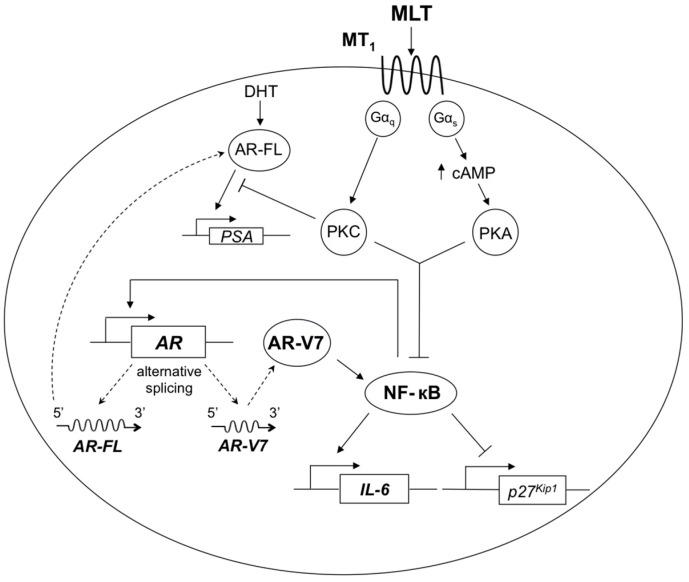
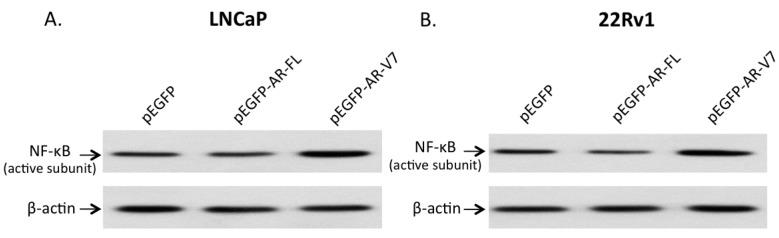
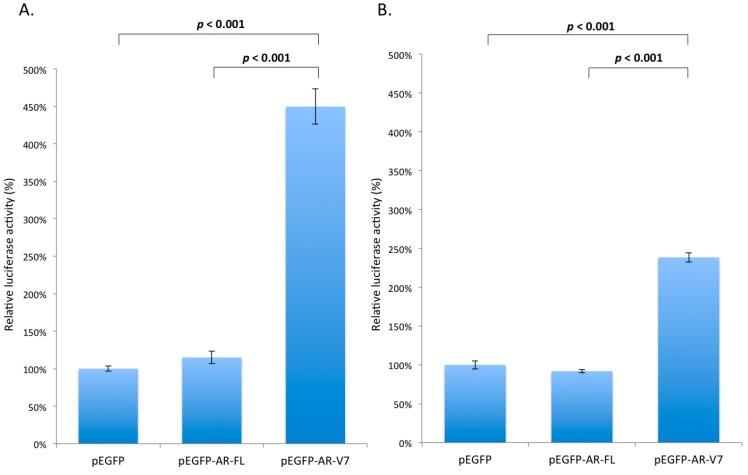
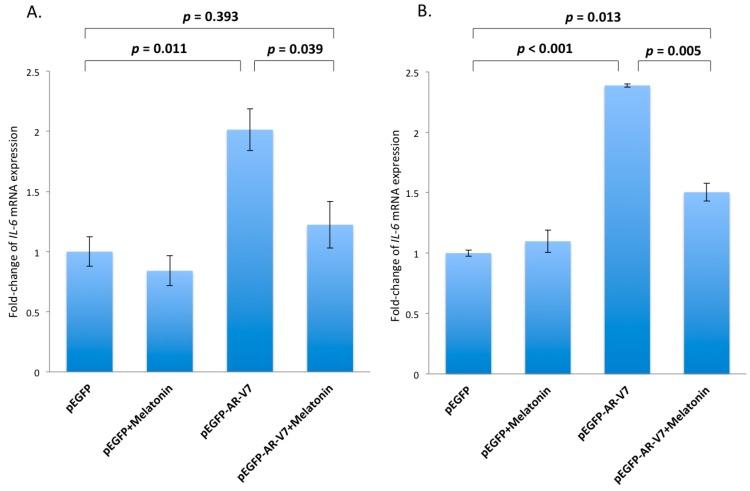
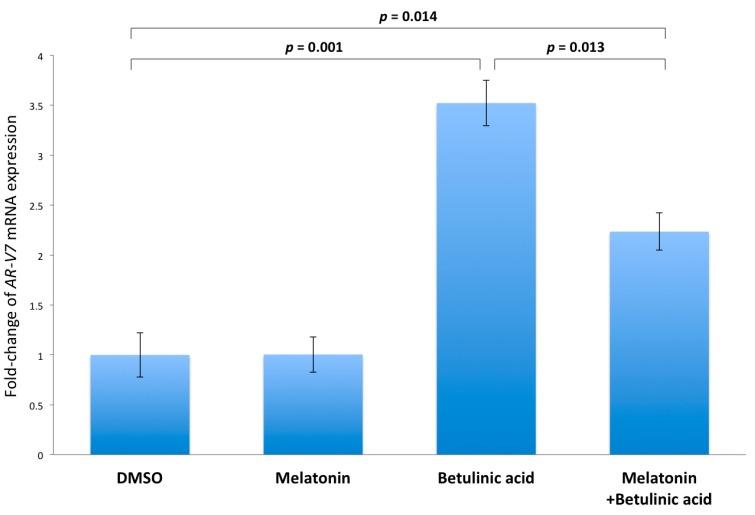
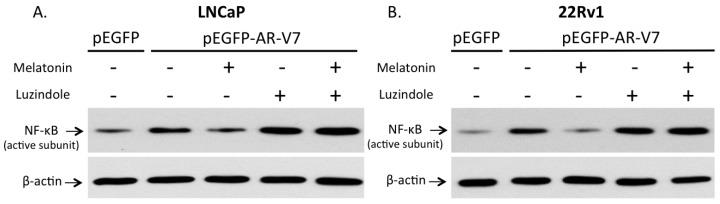
A major current challenge in the treatment of advanced prostate cancer, which can be initially controlled by medical or surgical castration, is the development of effective, safe, and affordable therapies against progression of the disease to the stage of castration resistance. Here, we showed that in LNCaP and 22Rv1 prostate cancer cells transiently overexpressing androgen receptor splice variant-7 (AR-V7), nuclear factor-kappa B (NF-κB) was activated and could result in up-regulated interleukin () gene expression, indicating a positive interaction between AR-V7 expression and activated NF-κB/IL-6 signaling in castration-resistant prostate cancer (CRPC) pathogenesis. Importantly, both AR-V7-induced NF-κB activation and gene transcription in LNCaP and 22Rv1 cells could be inhibited by melatonin. Furthermore, stimulation of mRNA expression in LNCaP cells by betulinic acid, a pharmacological NF-κB activator, was reduced by melatonin treatment. Our data support the presence of bi-directional positive interactions between AR-V7 expression and NF-κB activation in CRPC pathogenesis. Of note, melatonin, by inhibiting NF-κB activation via the previously-reported MT₁ receptor-mediated antiproliferative pathway, can disrupt these bi-directional positive interactions between AR-V7 and NF-κB and thereby delay the development of castration resistance in advanced prostate cancer. Apparently, this therapeutic potential of melatonin in advanced prostate cancer/CRPC management is worth translation in the clinic via combined androgen depletion and melatonin repletion.
晚期前列腺癌的治疗目前面临一项重大挑战,这种癌症最初可通过药物或手术去势得到控制,而该挑战在于研发有效、安全且可负担得起的疗法,以应对疾病进展至去势抵抗阶段。在此,我们发现,在瞬时过表达雄激素受体剪接变体7(AR-V7)的LNCaP和22Rv1前列腺癌细胞中,核因子-κB(NF-κB)被激活,并可能导致白细胞介素()基因表达上调,这表明在去势抵抗性前列腺癌(CRPC)发病机制中,AR-V7表达与激活的NF-κB/IL-6信号传导之间存在正向相互作用。重要的是,褪黑素可抑制LNCaP和22Rv1细胞中AR-V7诱导的NF-κB激活以及基因转录。此外,药理NF-κB激活剂桦木酸对LNCaP细胞中mRNA表达的刺激作用,在褪黑素处理后降低。我们的数据支持在CRPC发病机制中,AR-V7表达与NF-κB激活之间存在双向正向相互作用。值得注意的是,褪黑素通过先前报道的MT₁受体介导的抗增殖途径抑制NF-κB激活,可破坏AR-V7与NF-κB之间的这些双向正向相互作用,从而延缓晚期前列腺癌去势抵抗的发展。显然,褪黑素在晚期前列腺癌/CRPC治疗中的这种潜力值得通过联合雄激素剥夺和褪黑素补充在临床上进行转化应用。


 Zotero 插件