
膜活性大分子可杀死耐抗生素细菌,并增强抗生素对革兰氏阴性菌的作用。
Membrane-active macromolecules kill antibiotic-tolerant bacteria and potentiate antibiotics towards Gram-negative bacteria.
作者信息
Uppu Divakara S S M, Konai Mohini M, Sarkar Paramita, Samaddar Sandip, Fensterseifer Isabel C M, Farias-Junior Celio, Krishnamoorthy Paramanandam, Shome Bibek R, Franco Octávio L, Haldar Jayanta
机构信息
Chemical Biology & Medicinal Chemistry Laboratory, New Chemistry Unit, Jawaharlal Nehru Centre for Advanced Scientific Research (JNCASR), Bangalore, Karnataka, India.
Centro de Análises Proteômicas e Bioquímicas, Pós-Graduação em Ciências Genômicas e Biotecnologia UC, Brası´lia, Brazil.
出版信息
PLoS One. 2017 Aug 24;12(8):e0183263. doi: 10.1371/journal.pone.0183263. eCollection 2017.
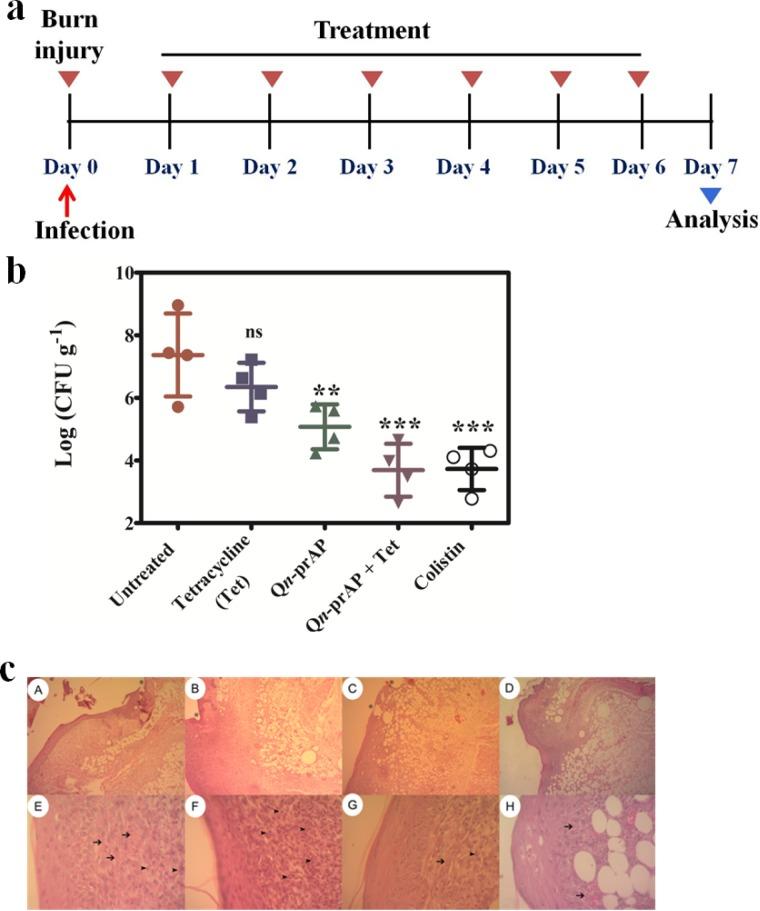
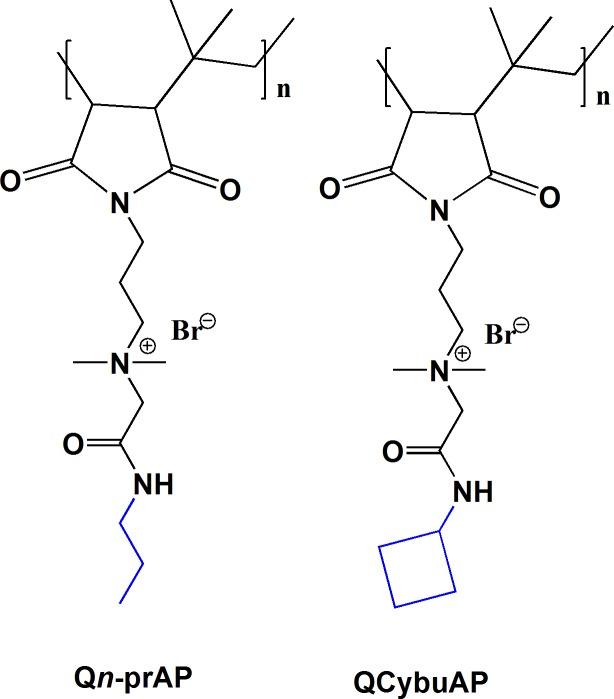
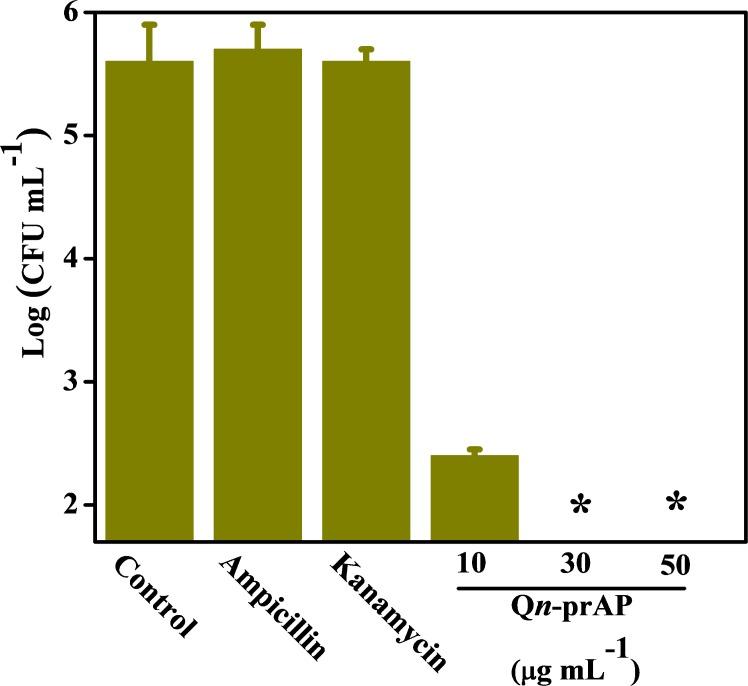
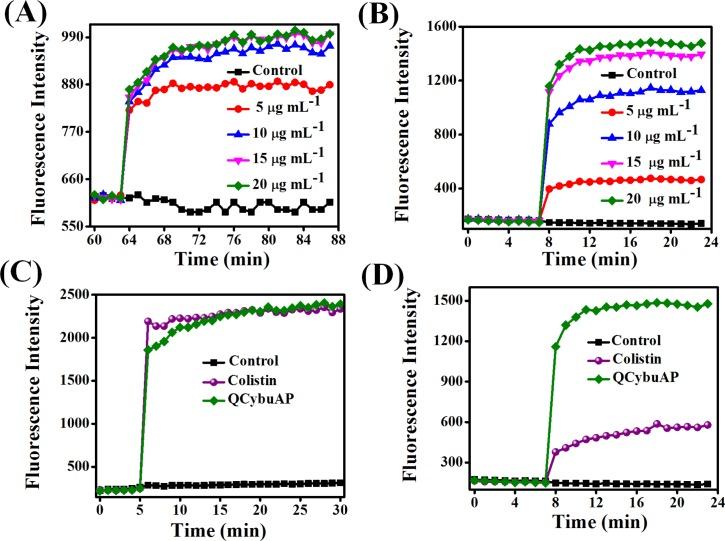
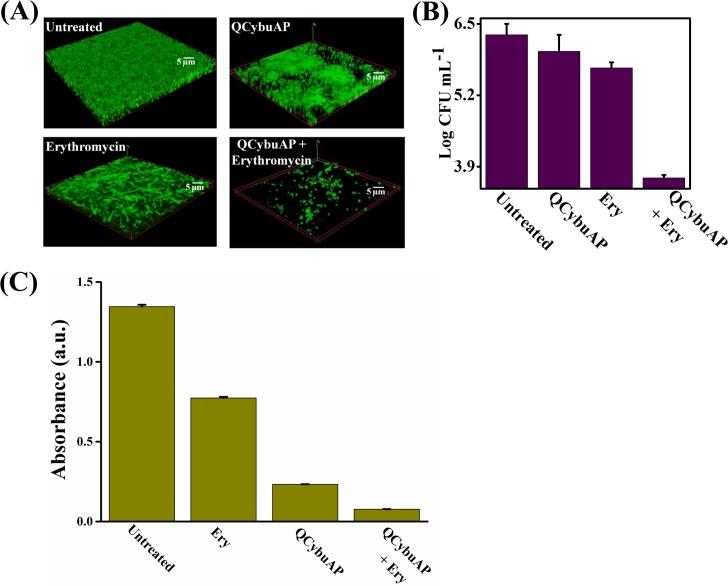
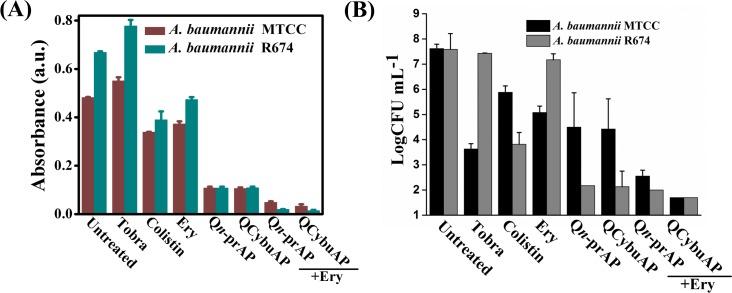
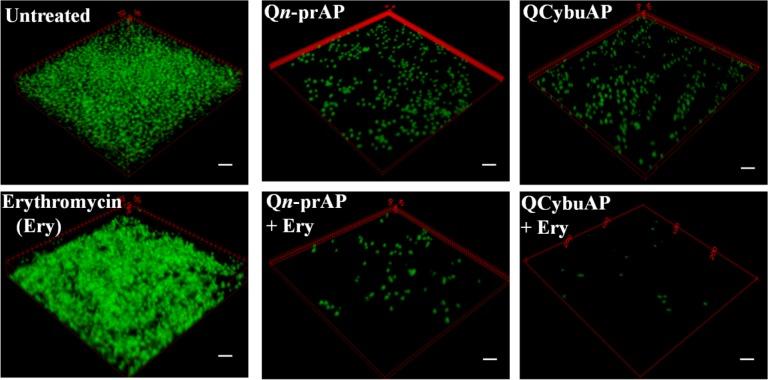
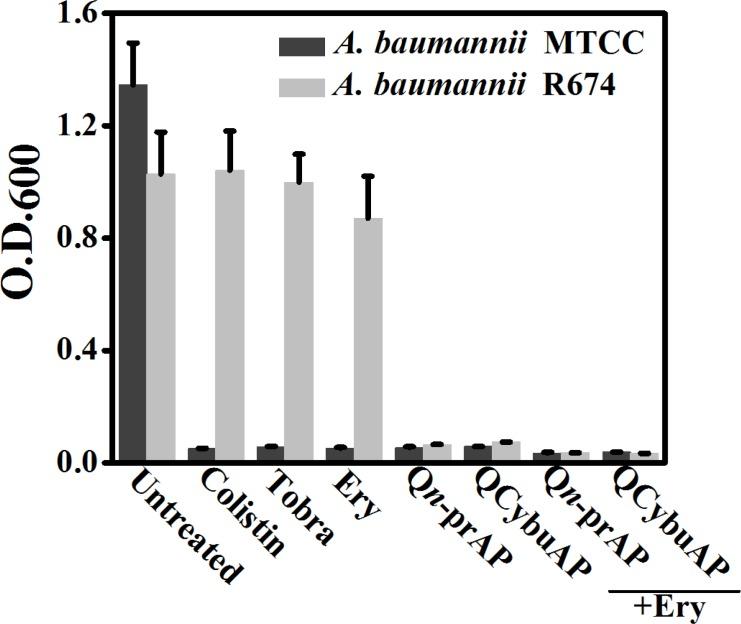
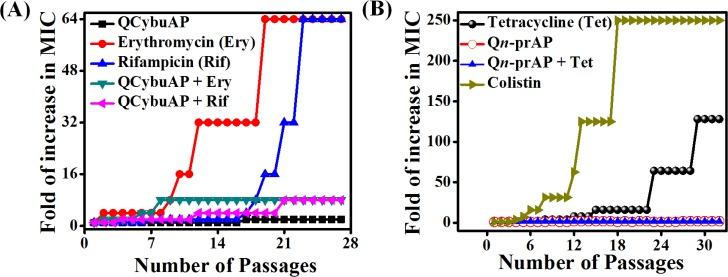
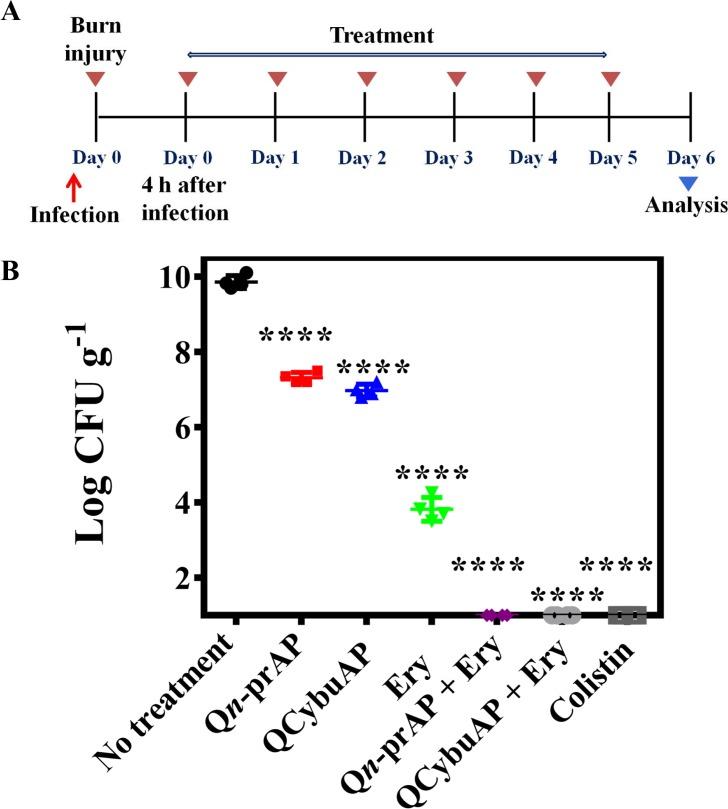
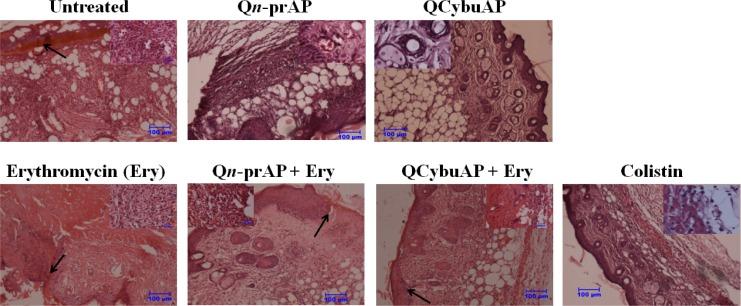
Chronic bacterial biofilms place a massive burden on healthcare due to the presence of antibiotic-tolerant dormant bacteria. Some of the conventional antibiotics such as erythromycin, vancomycin, linezolid, rifampicin etc. are inherently ineffective against Gram-negative bacteria, particularly in their biofilms. Here, we report membrane-active macromolecules that kill slow dividing stationary-phase and antibiotic tolerant cells of Gram-negative bacteria. More importantly, these molecules potentiate antibiotics (erythromycin and rifampicin) to biofilms of Gram-negative bacteria. These molecules eliminate planktonic bacteria that are liberated after dispersion of biofilms (dispersed cells). The membrane-active mechanism of these molecules forms the key for potentiating the established antibiotics. Further, we demonstrate that the combination of macromolecules and antibiotics significantly reduces bacterial burden in mouse burn and surgical wound infection models caused by Acinetobacter baumannii and Carbapenemase producing Klebsiella pneumoniae (KPC) clinical isolate respectively. Colistin, a well-known antibiotic targeting the lipopolysaccharide (LPS) of Gram-negative bacteria fails to kill antibiotic tolerant cells and dispersed cells (from biofilms) and bacteria develop resistance to it. On the contrary, these macromolecules prevent or delay the development of bacterial resistance to known antibiotics. Our findings emphasize the potential of targeting the bacterial membrane in antibiotic potentiation for disruption of biofilms and suggest a promising strategy towards developing therapies for topical treatment of Gram-negative infections.
由于存在耐受抗生素的休眠细菌,慢性细菌生物膜给医疗保健带来了巨大负担。一些传统抗生素,如红霉素、万古霉素、利奈唑胺、利福平等等,对革兰氏阴性菌天生无效,尤其是在其生物膜中。在此,我们报告了具有膜活性的大分子,它们能杀死革兰氏阴性菌缓慢分裂的稳定期细胞和耐受抗生素的细胞。更重要的是,这些分子能增强抗生素(红霉素和利福平)对革兰氏阴性菌生物膜的作用。这些分子能消除生物膜分散后释放出的浮游细菌(分散细胞)。这些分子的膜活性机制是增强现有抗生素作用的关键。此外,我们证明,大分子与抗生素的组合能显著减轻分别由鲍曼不动杆菌和产碳青霉烯酶肺炎克雷伯菌(KPC)临床分离株引起的小鼠烧伤和手术伤口感染模型中的细菌负荷。黏菌素是一种针对革兰氏阴性菌脂多糖(LPS)的著名抗生素,无法杀死耐受抗生素的细胞和(来自生物膜的)分散细胞,而且细菌会对其产生耐药性。相反,这些大分子能预防或延缓细菌对已知抗生素产生耐药性。我们的研究结果强调了在抗生素增效中靶向细菌膜以破坏生物膜的潜力,并提出了一种开发革兰氏阴性菌感染局部治疗疗法的有前景的策略。



 Zotero 插件