
甲状腺疾病与骨骼健康。
Thyroid diseases and bone health.
机构信息
Molecular Endocrinology Laboratory, Department of Medicine, Imperial College London, Hammersmith Campus, Du Cane Road, 10N5 Commonwealth Building, London, W12 0NN, UK.
Molecular Endocrinology Laboratory, Department of Medicine, Imperial College London, Hammersmith Campus, Du Cane Road, 10N6 Commonwealth Building, London, W12 0NN, UK.
出版信息
J Endocrinol Invest. 2018 Jan;41(1):99-109. doi: 10.1007/s40618-017-0753-4. Epub 2017 Aug 29.
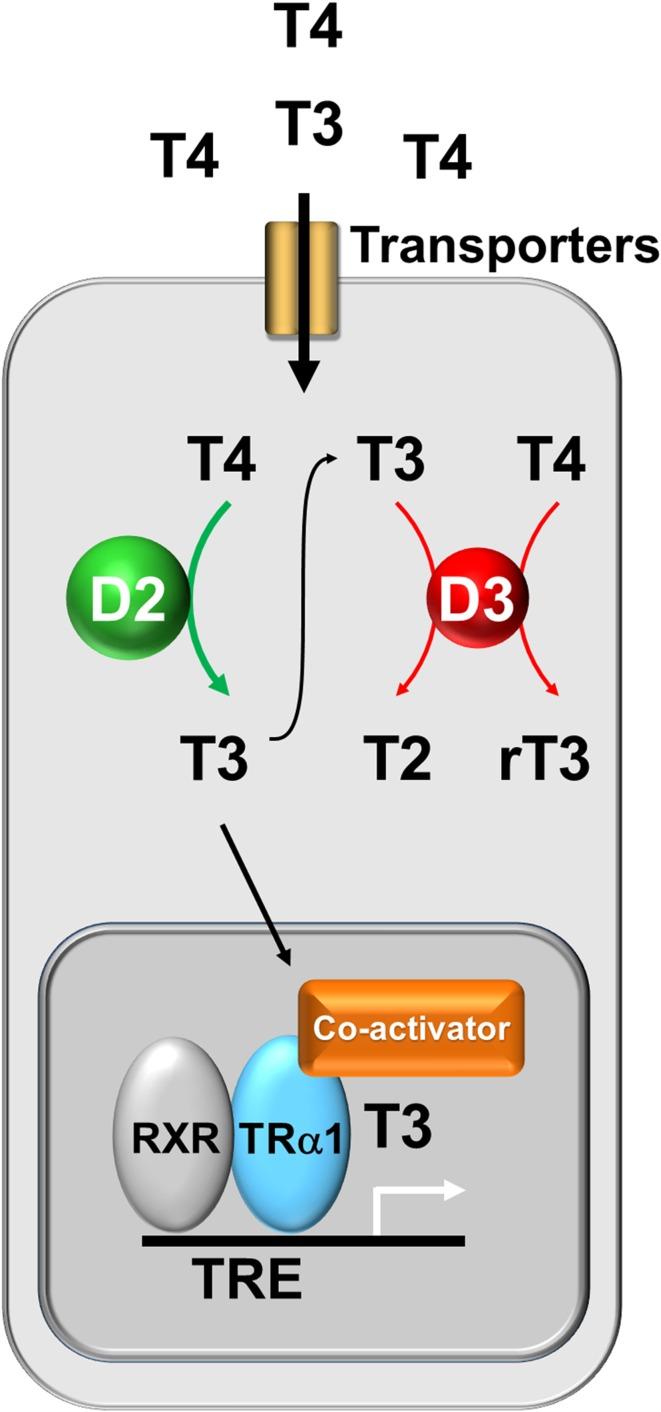
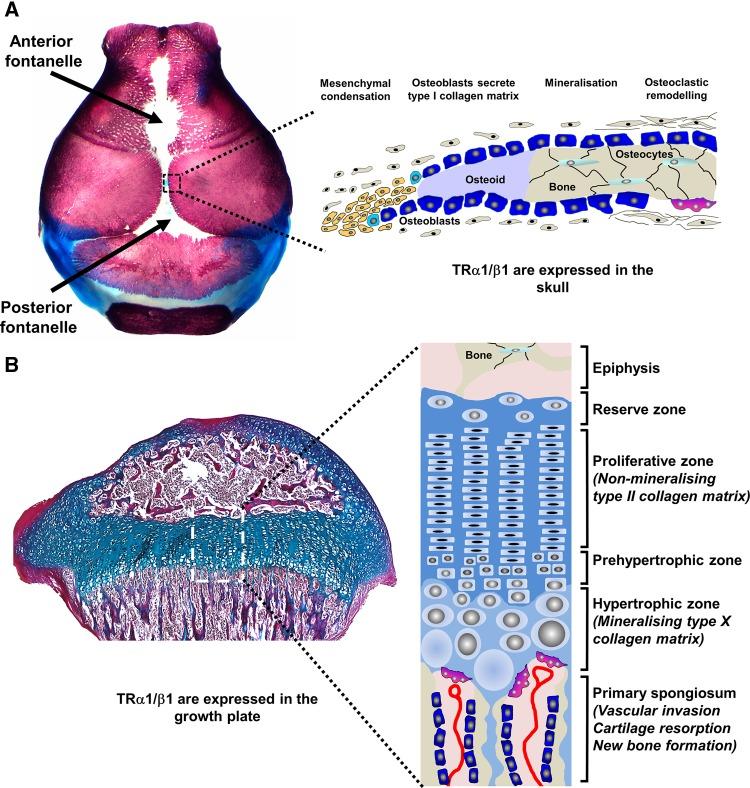
Thyroid hormones are essential for skeletal development and are important regulators of bone maintenance in adults. Childhood hypothyroidism causes delayed skeletal development, retarded linear growth and impaired bone mineral accrual. Epiphyseal dysgenesis is evidenced by classic features of stippled epiphyses on X-ray. In severe cases, post-natal growth arrest results in a complex skeletal dysplasia. Thyroid hormone replacement stimulates catch-up growth and bone maturation, but recovery may be incomplete dependent on the duration and severity of hypothyroidism prior to treatment. A severe phenotype characteristic of hypothyroidism occurs in children with resistance to thyroid hormone due to mutations affecting THRA encoding thyroid hormone receptor α (TRα). Discovery of this rare condition recapitulated animal studies demonstrating that TRα mediates thyroid hormone action in the skeleton. In adults, thyrotoxicosis is well known to cause severe osteoporosis and fracture, but cases are rare because of prompt diagnosis and treatment. Recent data, however, indicate that subclinical hyperthyroidism is associated with low bone mineral density (BMD) and an increased risk of fracture. Population studies have also shown that variation in thyroid status within the reference range in post-menopausal women is associated with altered BMD and fracture risk. Thus, thyroid status at the upper end of the euthyroid reference range is associated with low BMD and increased risk of osteoporotic fragility fracture. Overall, extensive data demonstrate that euthyroid status is required for normal post-natal growth and bone mineral accrual, and is fundamental for maintenance of adult bone structure and strength.
甲状腺激素对骨骼发育至关重要,是成人骨骼维持的重要调节剂。儿童期甲状腺功能减退会导致骨骼发育迟缓、线性生长迟缓以及骨矿物质积累受损。骺板发育不良表现为 X 射线出现点状骺板的典型特征。在严重的情况下,产后生长停滞会导致复杂的骨骼发育不良。甲状腺激素替代治疗可刺激追赶生长和骨成熟,但恢复情况可能不完全,这取决于治疗前甲状腺功能减退的持续时间和严重程度。由于影响甲状腺激素受体 α(TRα)编码的甲状腺激素受体的突变,导致对甲状腺激素有抵抗的儿童会出现典型的甲状腺功能减退严重表型。这种罕见疾病的发现,重现了动物研究,证明 TRα 在骨骼中介导甲状腺激素的作用。在成年人中,众所周知,甲状腺功能亢进会导致严重的骨质疏松症和骨折,但由于及时诊断和治疗,这种情况很少见。然而,最近的数据表明,亚临床甲状腺功能亢进与骨密度降低(BMD)和骨折风险增加有关。人群研究还表明,绝经后妇女甲状腺功能在参考范围内的变化与 BMD 改变和骨折风险增加有关。因此,甲状腺功能在正常参考范围内的上限与低 BMD 和增加的骨质疏松性脆性骨折风险相关。总的来说,大量数据表明,正常的甲状腺功能对正常的产后生长和骨矿物质积累是必需的,对维持成人骨骼结构和强度也是至关重要的。

 Zotero 插件