
男性不育症:天然抗氧化剂和植物化合物对精液氧化应激的影响
Male Infertility: The Effect of Natural Antioxidants and Phytocompounds on Seminal Oxidative Stress.
作者信息
Adewoyin Malik, Ibrahim Muhammad, Roszaman Ramli, Isa Muhammad Lokman Md, Alewi Nur Aizura Mat, Rafa Ainin Azwani Abdul, Anuar Mohd Nur Nasyriq
机构信息
Department of Nutrition Sciences, Kulliyyah of Allied Health Sciences, International Islamic University Malaysia (IIUM), Bandar Indera Mahkota, 25200 Kuantan, Pahang, Malaysia.
Department of Obstetrics and Gynaecology, Kulliyyah of Medicine, International Islamic University Malaysia, Bandar Indera Mahkota, Jalan, 25200 Kuantan, Pahang, Malaysia.
出版信息
Diseases. 2017 Mar 1;5(1):9. doi: 10.3390/diseases5010009.
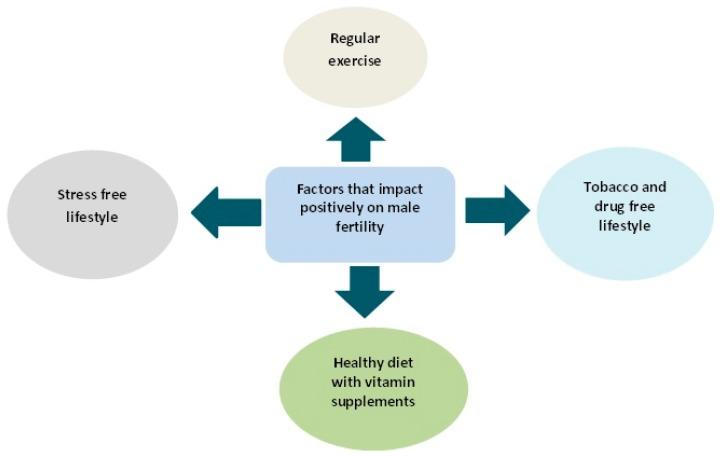
Defective sperm function has been identified as the most common cause of infertility. The objective of this study was to review recent findings on the effects of various antioxidants on male fertility. High amounts of poly unsaturated fatty acid are found in the mammalian spermatozoa membranes, thereby making them susceptible to lipid peroxidation. Although, free radicals and reactive oxygen species (ROS) play major roles in reproduction, they are strongly associated with oxidative stress. Furthermore, factors such as obesity, inflammation, pollutants and cigarette smoking are negatively correlated with spermatogenesis. Endogenous antioxidants system exists to mediate these damages. In a normal physiological state, the seminal plasma contains antioxidant enzyme mechanism that is capable of quenching these ROS as well as protecting the spermatozoa against any likely damage. However, high level of ROS triggered by inflammatory cells and oxidation of fatty acid in obese subjects may down play antioxidant mechanism resulting in oxidative stress. Evaluation of such oxidative stress is the first step in the treatment of male infertility through administration of suitable antioxidant. Notably, antioxidant such as vitamin E and C, carotenoids and carnitine have been found beneficial in restoring a balance between ROS generation and scavenging activities. There are emerging evidences that herbal products can also boost male reproductive functions. Nonetheless, a good lifestyle, regular exercise, avoidance of stress and observing safety rules at work are habits that can reverse male infertility.
精子功能缺陷已被确认为不孕症最常见的原因。本研究的目的是回顾各种抗氧化剂对男性生育能力影响的最新研究结果。哺乳动物精子细胞膜中含有大量多不饱和脂肪酸,因此使其易受脂质过氧化作用的影响。虽然自由基和活性氧(ROS)在生殖过程中起主要作用,但它们与氧化应激密切相关。此外,肥胖、炎症、污染物和吸烟等因素与精子发生呈负相关。体内存在内源性抗氧化系统来介导这些损伤。在正常生理状态下,精浆含有抗氧化酶机制,能够淬灭这些ROS,并保护精子免受任何可能的损伤。然而,肥胖受试者中炎症细胞引发的高水平ROS以及脂肪酸氧化可能会削弱抗氧化机制,导致氧化应激。评估这种氧化应激是通过给予合适的抗氧化剂治疗男性不育症的第一步。值得注意的是,已发现维生素E和C、类胡萝卜素和肉碱等抗氧化剂有助于恢复ROS生成与清除活性之间的平衡。越来越多的证据表明,草药产品也可以增强男性生殖功能。尽管如此,良好的生活方式、定期锻炼、避免压力以及遵守工作中的安全规则是可以逆转男性不育的习惯。





 Zotero 插件