
男性不育症中的氧化应激生物标志物:已确立的方法和未来展望。
Oxidative Stress Biomarkers in Male Infertility: Established Methodologies and Future Perspectives.
机构信息
Department of Environmental, Biological and Pharmaceutical Sciences and Technologies, University of Campania Luigi Vanvitelli, 81100 Caserta, Italy.
Department of Life Science and Bioinformatics, Assam University, Silchar 788011, India.
出版信息
Genes (Basel). 2024 Apr 25;15(5):539. doi: 10.3390/genes15050539.
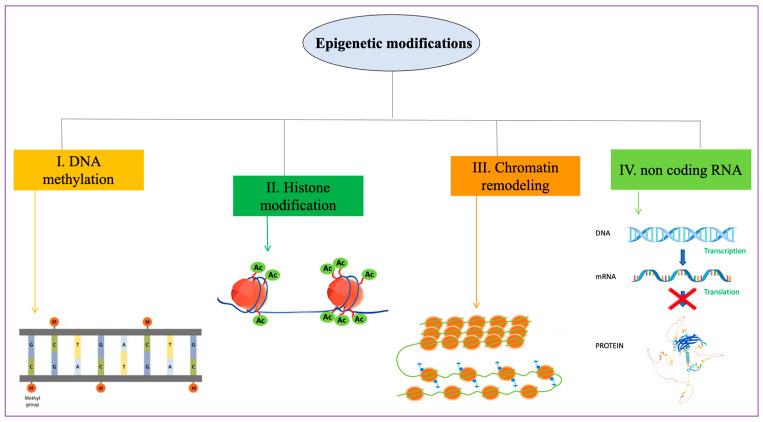
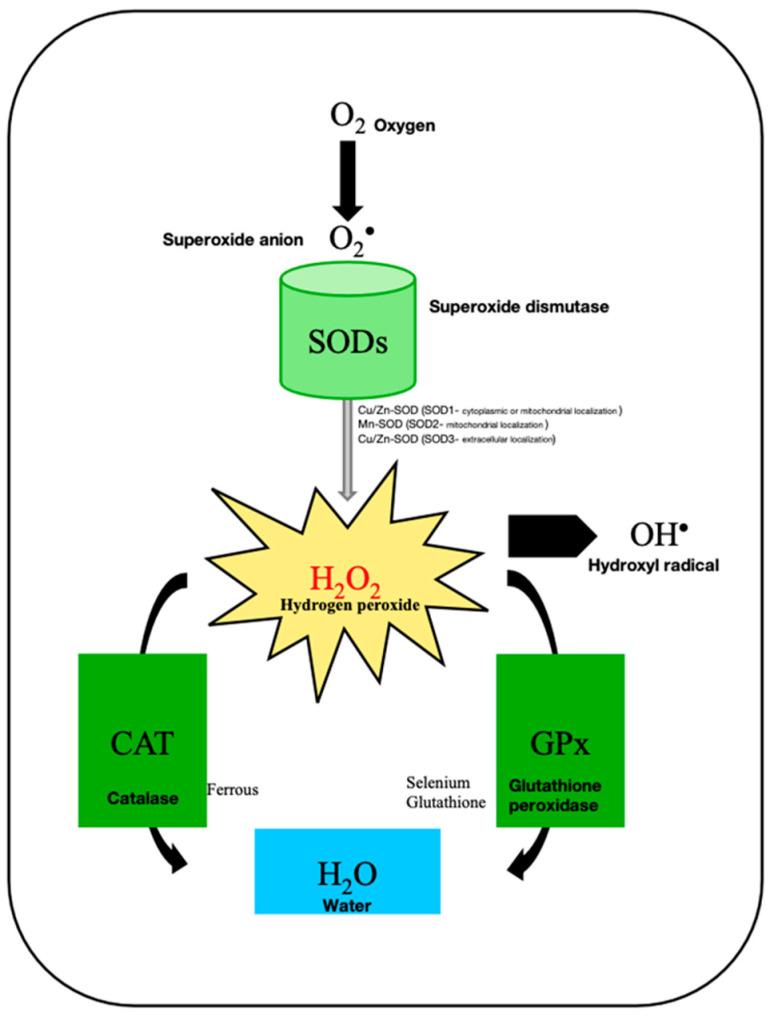
Male fertility can be affected by oxidative stress (OS), which occurs when an imbalance between the production of reactive oxygen species (ROS) and the body's ability to neutralize them arises. OS can damage cells and influence sperm production. High levels of lipid peroxidation have been linked to reduced sperm motility and decreased fertilization ability. This literature review discusses the most commonly used biomarkers to measure sperm damage caused by ROS, such as the high level of OS in seminal plasma as an indicator of imbalance in antioxidant activity. The investigated biomarkers include 8-hydroxy-2-deoxyguanosine acid (8-OHdG), a marker of DNA damage caused by ROS, and F2 isoprostanoids (8-isoprostanes) produced by lipid peroxidation. Furthermore, this review focuses on recent methodologies including the NGS polymorphisms and differentially expressed gene (DEG) analysis, as well as the epigenetic mechanisms linked to ROS during spermatogenesis along with new methodologies developed to evaluate OS biomarkers. Finally, this review addresses a valuable insight into the mechanisms of male infertility provided by these advances and how they have led to new treatment possibilities. Overall, the use of biomarkers to evaluate OS in male infertility has supplied innovative diagnostic and therapeutic approaches, enhancing our understanding of male infertility mechanisms.
男性生育能力可能会受到氧化应激(OS)的影响,当活性氧(ROS)的产生与身体中和它们的能力之间出现不平衡时,就会发生 OS。OS 会破坏细胞并影响精子的产生。高水平的脂质过氧化与精子活力降低和受精能力下降有关。本文综述讨论了测量 ROS 对精子损伤最常用的生物标志物,例如精液中高水平的 OS 作为抗氧化活性失衡的指标。研究的生物标志物包括 8-羟基-2-脱氧鸟苷酸(8-OHdG),这是 ROS 引起的 DNA 损伤的标志物,以及脂质过氧化产生的 F2 异前列腺素(8-异前列腺素)。此外,本综述还重点介绍了最近的方法,包括 NGS 多态性和差异表达基因(DEG)分析,以及与精子发生过程中 ROS 相关的表观遗传机制,以及为评估 OS 生物标志物而开发的新方法。最后,本综述探讨了这些进展为男性不育症提供的机制提供了有价值的见解,以及它们如何为新的治疗可能性提供了依据。总体而言,使用生物标志物评估男性不育症中的 OS 为创新的诊断和治疗方法提供了依据,增强了我们对男性不育症机制的理解。

 Zotero 插件