
CRH 基因的表观遗传变化与青少年自杀未遂的严重程度和一般精神疾病风险评分有关。
Epigenetic Changes in the CRH Gene are Related to Severity of Suicide Attempt and a General Psychiatric Risk Score in Adolescents.
机构信息
Department of Clinical Neuroscience/Center for Psychiatric Research, Karolinska Institutet, Stockholm, Sweden; Department of Clinical Sciences/Psychiatry, Umeå University, Umeå, Sweden.
Department of Neuroscience/Functional Pharmacology, Uppsala University, Uppsala, Sweden.
出版信息
EBioMedicine. 2018 Jan;27:123-133. doi: 10.1016/j.ebiom.2017.12.018. Epub 2017 Dec 18.
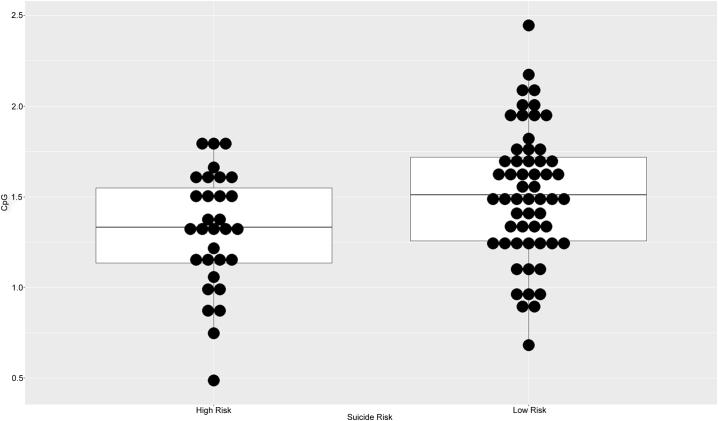
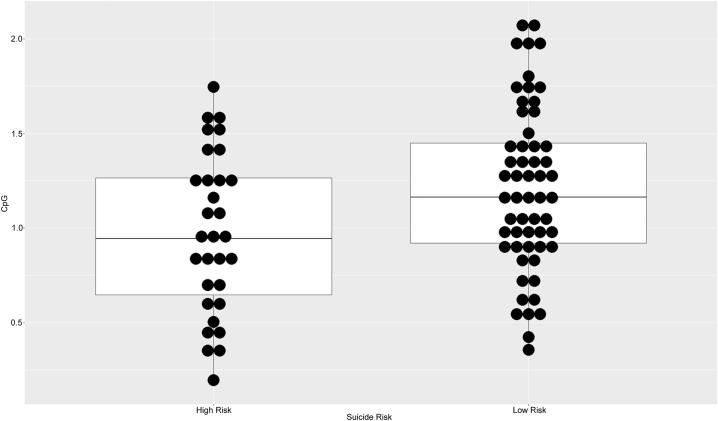
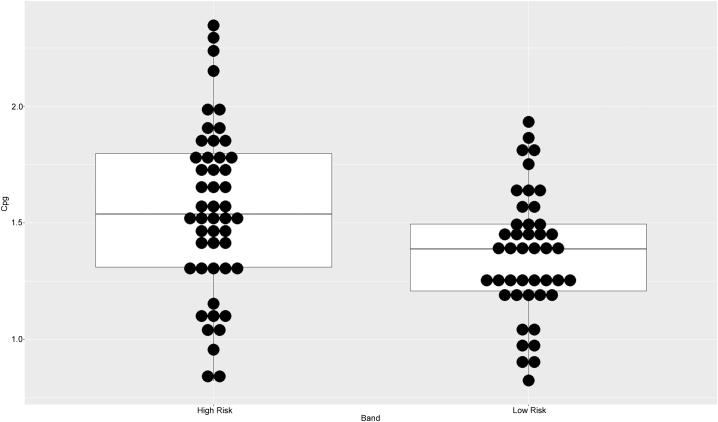
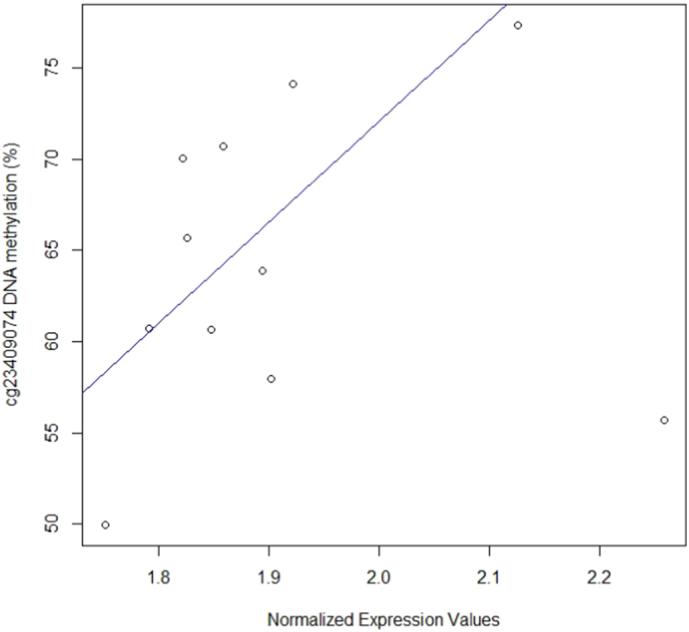
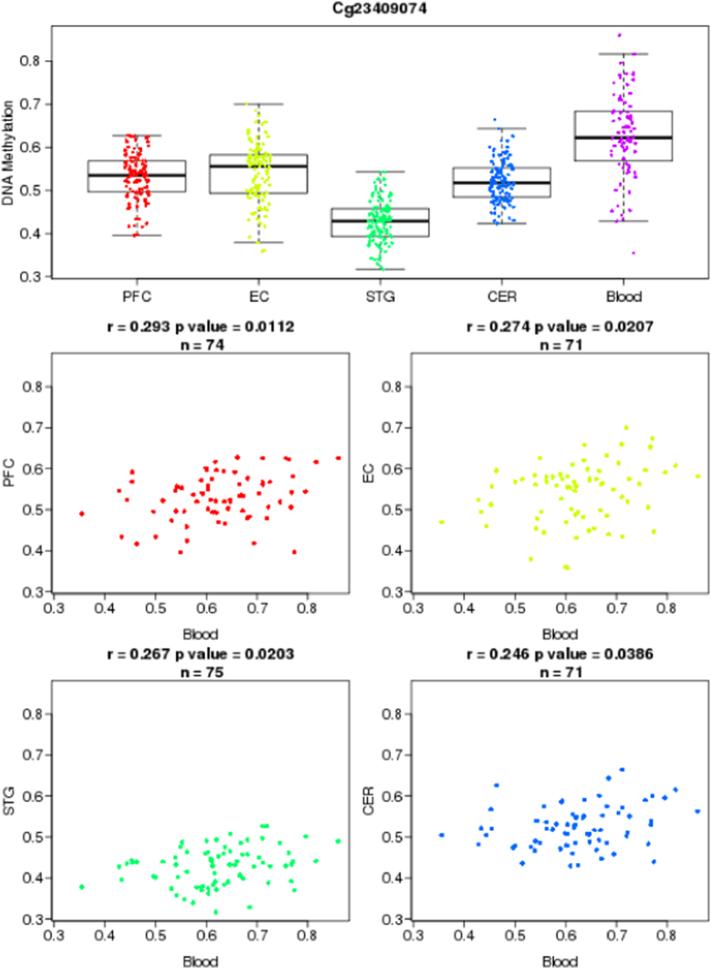
The aim of this study, comprising 88 suicide attempters, was to identify hypothalamic-pituitary-adrenal (HPA) -axis coupled CpG-sites showing methylation shifts linked to severity of the suicide attempt. Candidate methylation loci were further investigated as risk loci for a general psychiatric risk score in two cohorts of adolescents (cohort 1 and 2). The genome-wide methylation pattern was measured in whole blood using the Illumina Infinium Methylation EPIC BeadChip. Subjects were stratified into high-risk and low-risk groups based on the severity of the suicidal behavior. We included CpG sites located within 2000 basepairs away from transcriptional start site of the following HPA-axis coupled genes: corticotropin releasing hormone (CRH), corticotropin releasing hormone binding protein (CRHBP), corticotropin releasing hormone receptor 1 (CRHR1), corticotropin releasing hormone receptor 2 (CRHR2), FK506-binding protein 51 (FKBP5) and the glucocorticoid receptor (NR3C1). The methylation state of two corticotropin releasing hormone (CRH)-associated CpG sites were significantly hypomethylated in the high-risk group of suicide attempters (n=31) (cg19035496 and cg23409074) (p<0.001). Adolescent cohort 1 and 2 consisted of 129 and 93 subjects, respectively, and were stratified by the in silico generated DAWBA measurements of a general psychiatric risk score into high-risk group (>~50% risk) or controls. In adolescent cohort 2, cg19035496 was hypermethylated in subjects with a high general psychiatric risk score. Our results show epigenetic changes in the CRH gene related to severity of suicide attempt in adults and a general psychiatric risk score in adolescents.
本研究纳入了 88 名自杀未遂者,旨在鉴定与自杀未遂严重程度相关的下丘脑-垂体-肾上腺(HPA)轴相关 CpG 位点,这些位点存在甲基化变化。在两个青少年队列(队列 1 和 2)中,候选甲基化基因座进一步被作为一般精神风险评分的风险基因座进行了研究。使用 Illumina Infinium Methylation EPIC BeadChip ,我们在全血中测量了全基因组的甲基化模式。根据自杀行为的严重程度,将受试者分为高危组和低危组。我们纳入了位于以下 HPA 轴相关基因转录起始位点 2000 个碱基对以内的 CpG 位点:促肾上腺皮质激素释放激素(CRH)、促肾上腺皮质激素释放激素结合蛋白(CRHBP)、促肾上腺皮质激素释放激素受体 1(CRHR1)、促肾上腺皮质激素释放激素受体 2(CRHR2)、FK506 结合蛋白 51(FKBP5)和糖皮质激素受体(NR3C1)。在高危组自杀未遂者(n=31)中,两个与促肾上腺皮质激素释放激素(CRH)相关的 CpG 位点的甲基化状态明显低甲基化(cg19035496 和 cg23409074)(p<0.001)。青少年队列 1 和 2 分别纳入了 129 名和 93 名受试者,根据 DAWBA 生成的一般精神风险评分的计算机模拟,将受试者分为高危组(>~50%风险)或对照组。在青少年队列 2 中,具有高一般精神风险评分的受试者中 cg19035496 发生超甲基化。我们的研究结果显示,在成人自杀未遂严重程度和青少年一般精神风险评分中,与 CRH 基因相关的表观遗传变化。

 Zotero 插件