
哥伦比亚人群对恶性疟原虫抗原 VAR2CSA 的 IgG 应答仅限于妊娠期间,并且不会因感染间日疟原虫而诱导产生。
IgG Responses to the Plasmodium falciparum Antigen VAR2CSA in Colombia Are Restricted to Pregnancy and Are Not Induced by Exposure to Plasmodium vivax.
机构信息
Centre for Medical Parasitology, Department of Immunology and Microbiology, Faculty of Health and Medical Sciences, University of Copenhagen, Copenhagen, Denmark.
Laboratory of Molecular Medicine, Department of Clinical Immunology, Rigshospitalet, Copenhagen, Denmark.
出版信息
Infect Immun. 2018 Jul 23;86(8). doi: 10.1128/IAI.00136-18. Print 2018 Aug.
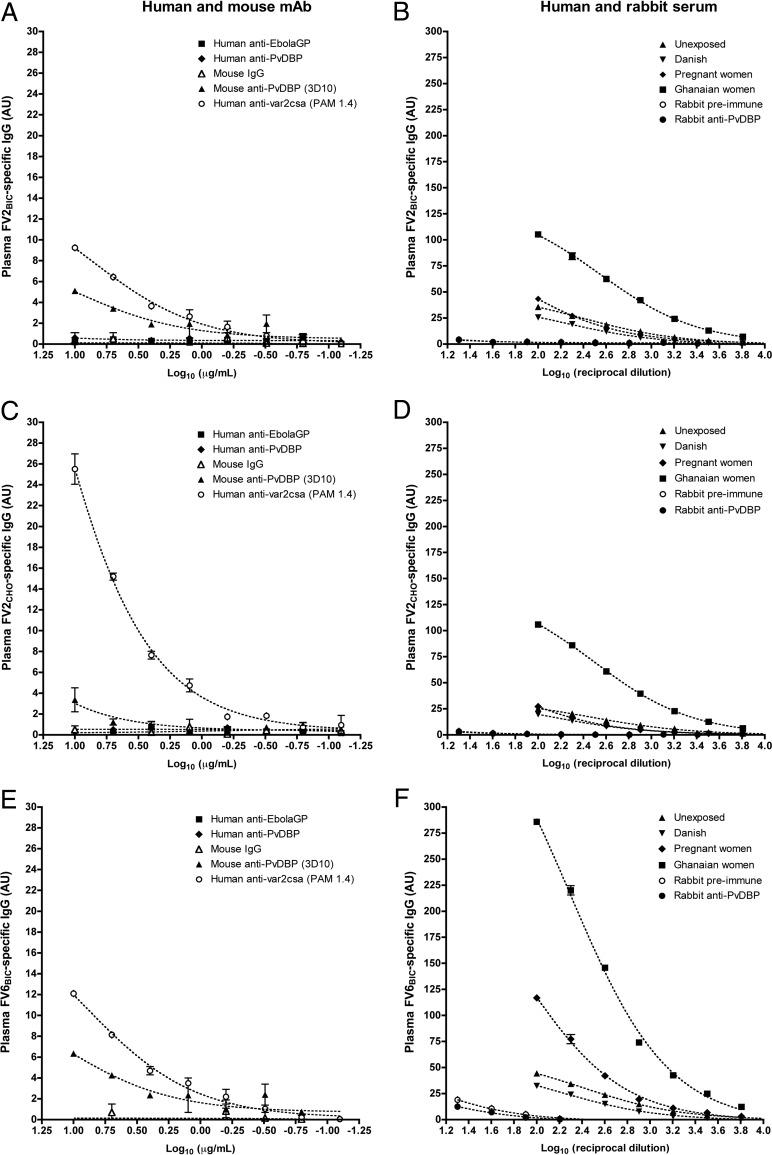
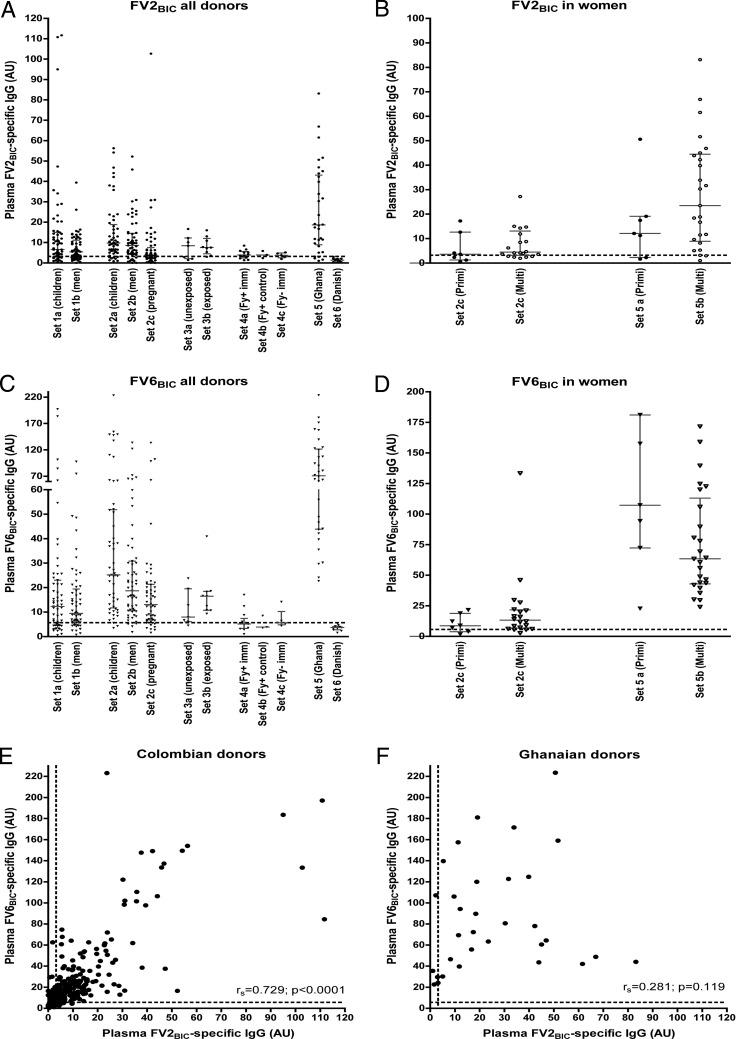
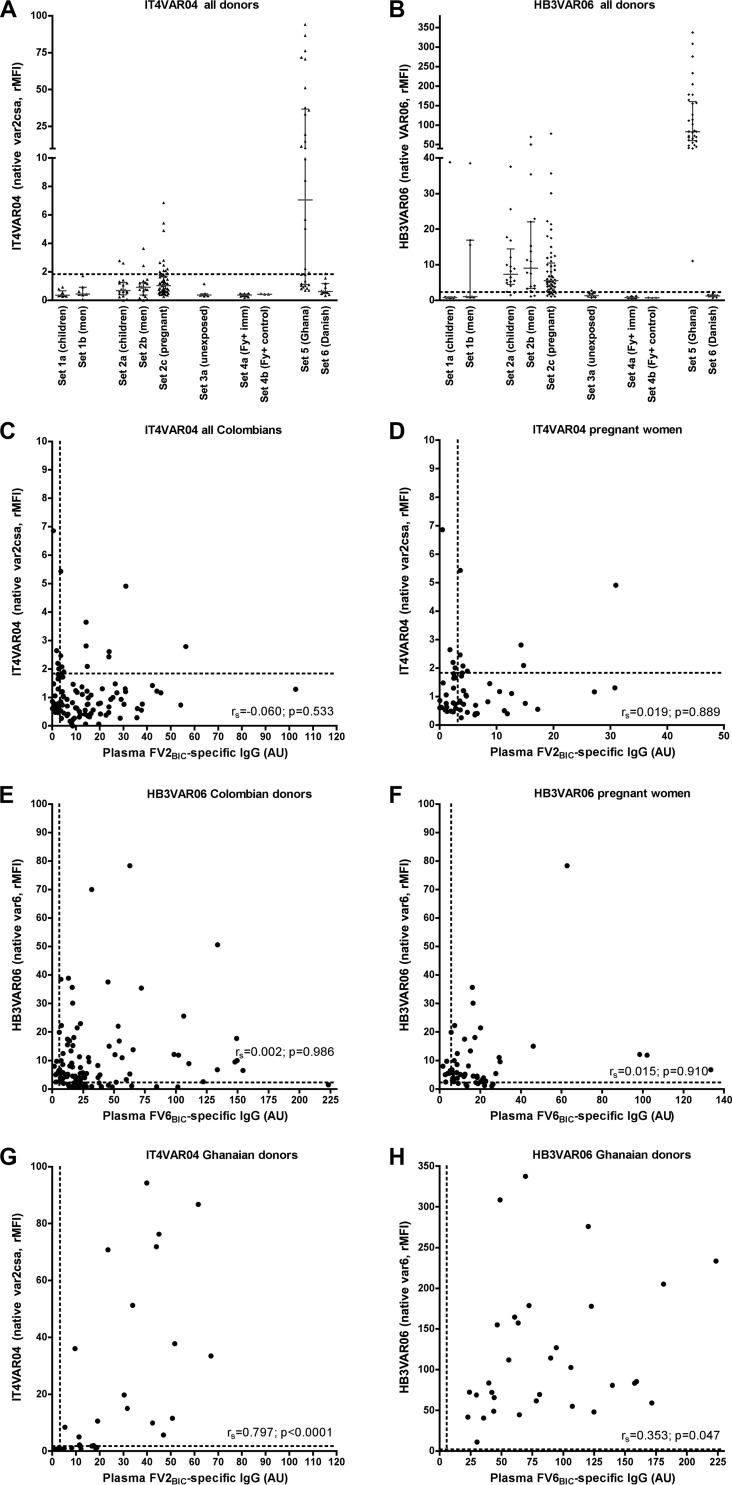
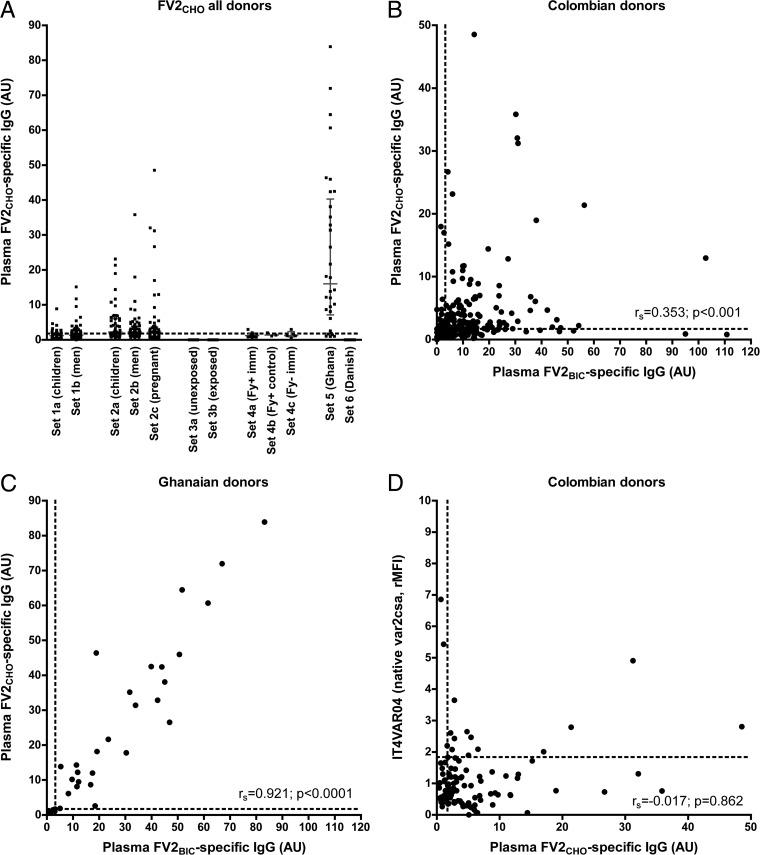
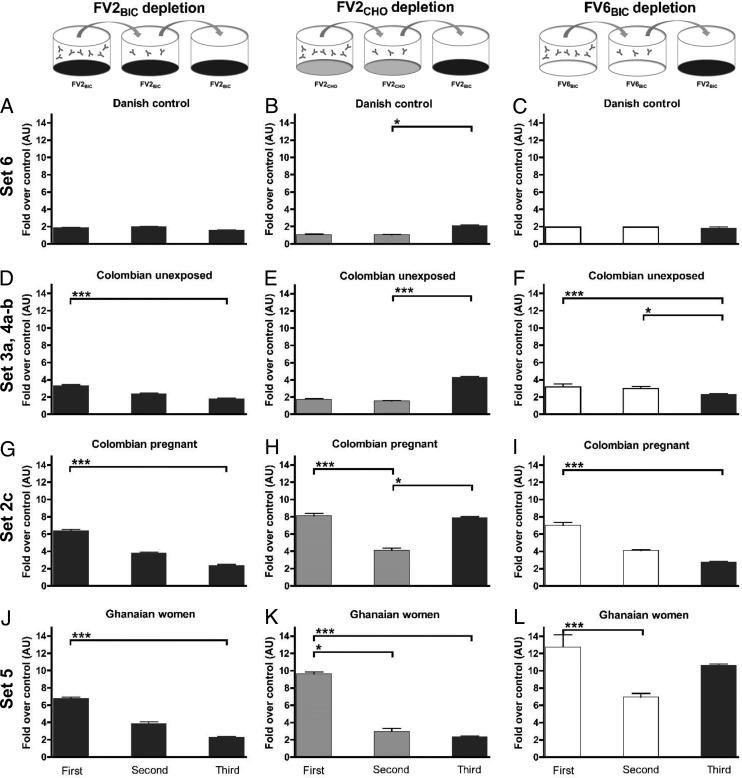
Clinical immunity to malaria is associated with the acquisition of IgG specific for members of the erythrocyte membrane protein 1 (PfEMP1) family of clonally variant antigens on the surface of infected erythrocytes (IEs). The VAR2CSA subtype of PfEMP1 mediates IE binding in the placenta. VAR2CSA-specific IgG is normally acquired only after exposure to placental parasites. However, it was recently reported that men and children from Colombia often have high levels of functional VAR2CSA-specific IgG. This potentially undermines the current understanding of malaria immunity in pregnant women, and we thus conducted a study to assess further the levels of VAR2CSA-specific IgG in pregnant and nonpregnant Colombians. Plasma IgG against two full-length recombinant PfEMP1 proteins (one of the VAR2CSA type and one not) produced in baculovirus-transfected insect cells was detected frequently among Colombian men, children, and pregnant women with acute or previous malaria exposure. In contrast, IgG reactivity to a homologous full-length VAR2CSA-type protein expressed in Chinese hamster ovary (CHO) cells was low and infrequent among the Colombian plasma samples, as was reactivity to both corresponding native PfEMP1 proteins. Moreover, human and rabbit antibodies specific for Duffy-binding protein (PvDBP), a protein with some homology to PfEMP1, did not react with VAR2CSA-type recombinant or native proteins, although the mouse monoclonal and PvDBP-specific antibody 3D10 was weakly reactive with recombinant proteins expressed in baculovirus-transfected insect cells. Our data indicate that the previously reported Colombian IgG reactivity to recombinant VAR2CSA is not malaria specific and that the acquisition of VAR2CSA-specific IgG is restricted to pregnancy, in Colombia and elsewhere.
临床对疟疾的免疫力与对感染红细胞(IE)表面克隆变异抗原红细胞膜蛋白 1(PfEMP1)家族成员的 IgG 的获得有关。PfEMP1 的 VAR2CSA 亚型介导 IE 在胎盘上的结合。VAR2CSA 特异性 IgG 通常仅在暴露于胎盘寄生虫后才获得。然而,最近有报道称,来自哥伦比亚的男性和儿童通常具有高水平的功能性 VAR2CSA 特异性 IgG。这可能破坏了当前对孕妇疟疾免疫的理解,因此我们进行了一项研究,以进一步评估哥伦比亚孕妇和非孕妇的 VAR2CSA 特异性 IgG 水平。在感染了杆状病毒的昆虫细胞中产生的两种全长重组 PfEMP1 蛋白(一种是 VAR2CSA 型,另一种不是)的血浆 IgG 在具有急性或先前疟疾暴露的哥伦比亚男性、儿童和孕妇中经常被检测到。相比之下,在哥伦比亚血浆样本中,对在中华仓鼠卵巢(CHO)细胞中表达的同源全长 VAR2CSA 型蛋白的 IgG 反应性较低且不频繁,对两种相应的天然 PfEMP1 蛋白也是如此。此外,针对 PfEMP1 具有一些同源性的 Duffy 结合蛋白(PvDBP)的人源和兔源抗体与 VAR2CSA 型重组或天然蛋白没有反应,尽管针对重组蛋白表达的小鼠单克隆抗体和 PvDBP 特异性抗体 3D10 具有较弱的反应性杆状病毒转染的昆虫细胞。我们的数据表明,先前报道的哥伦比亚对重组 VAR2CSA 的 IgG 反应性不是疟疾特异性的,并且 VAR2CSA 特异性 IgG 的获得仅限于怀孕,在哥伦比亚和其他地方也是如此。

 Zotero 插件