
巯基-烯基海藻酸盐水凝胶作为多功能生物墨水用于生物打印。
Thiol-Ene Alginate Hydrogels as Versatile Bioinks for Bioprinting.
机构信息
Department of Complex Tissue Regeneration, MERLN Institute for Technology-Inspired Regenerative Medicine , Maastricht University , 6211 LK Maastricht , The Netherlands.
TNO, P.O. Box 6235, 5600 HE Eindhoven , The Netherlands.
出版信息
Biomacromolecules. 2018 Aug 13;19(8):3390-3400. doi: 10.1021/acs.biomac.8b00696. Epub 2018 Jul 6.
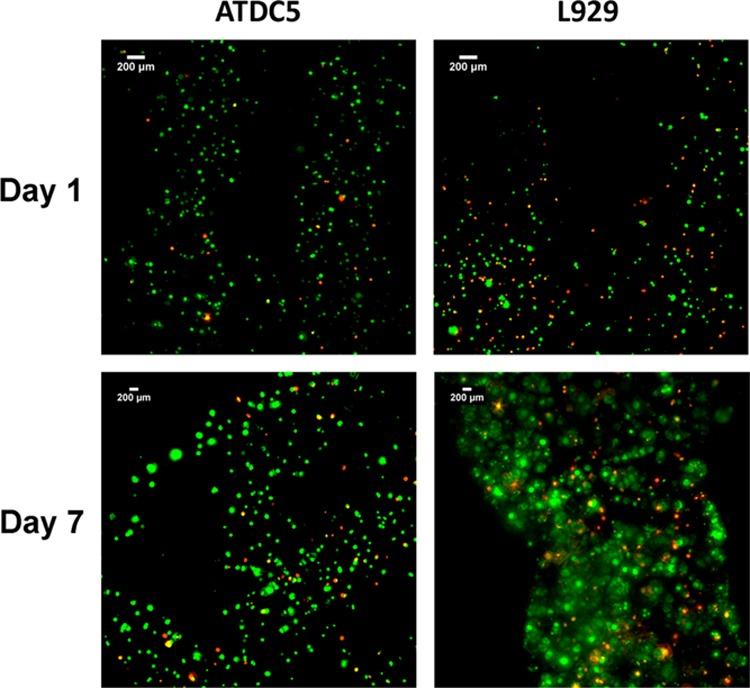
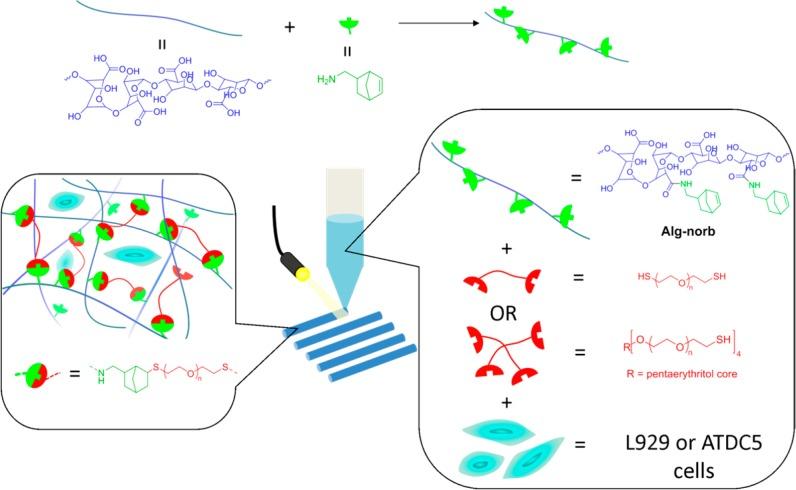
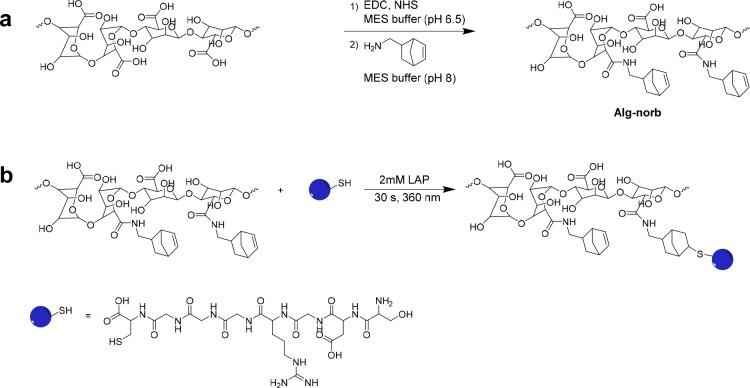
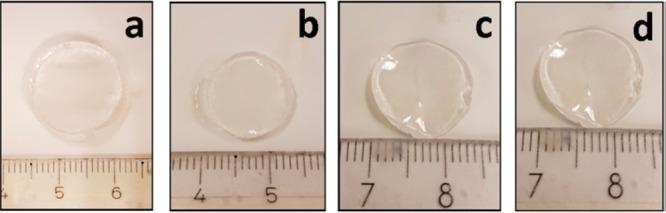
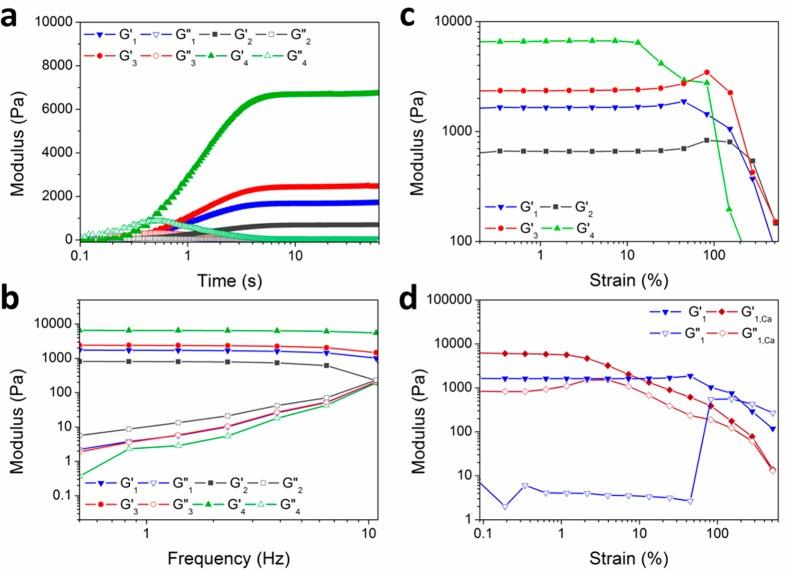
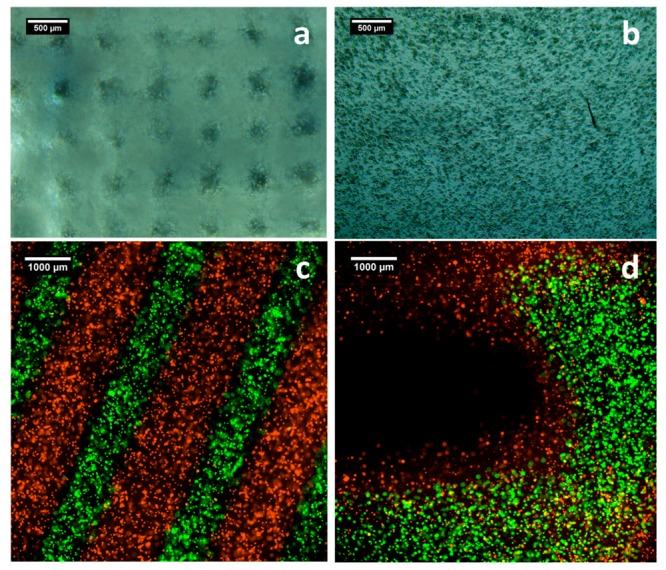
Bioprinting is a powerful technique that allows precise and controlled 3D deposition of biomaterials in a predesigned, customizable, and reproducible manner. Cell-laden hydrogel ("bioink") bioprinting is especially advantageous for tissue engineering applications as multiple cells and biomaterial compositions can be selectively dispensed to create spatially well-defined architectures. Despite this promise, few hydrogel systems are easily available and suitable as bioinks, with even fewer systems allowing for molecular design of mechanical and biological properties. In this study, we report the development of a norbornene functionalized alginate system as a cell-laden bioink for extrusion-based bioprinting, with a rapid UV-induced thiol-ene cross-linking mechanism that avoids acrylate kinetic chain formation. The mechanical and swelling properties of the hydrogels are tunable by varying the concentration, length, and structure of dithiol PEG cross-linkers and can be further modified by postprinting secondary cross-linking with divalent ions such as calcium. The low concentrations of alginate needed (<2 wt %), coupled with their rapid in situ gelation, allow both the maintenance of high cell viability and the ability to fabricate large multilayer or multibioink constructs with identical bioprinting conditions. The modularity of this bioink platform design enables not only the rational design of materials properties but also the gel's biofunctionality (as shown via RGD attachment) for the expected tissue-engineering application. This modularity enables the creation of multizonal and multicellular constructs utilizing a chemically similar bioink platform. Such tailorable bioink platforms will enable increased complexity in 3D bioprinted constructs.
生物打印是一种强大的技术,它允许以精确和可控的方式在预定的、可定制的和可重复的方式进行生物材料的 3D 沉积。细胞负载水凝胶(“生物墨水”)生物打印对于组织工程应用特别有利,因为可以选择性地分配多种细胞和生物材料成分,以创建具有空间明确定义的结构。尽管有这种前景,但很少有水凝胶系统很容易获得并且适合用作生物墨水,甚至更少的系统允许机械和生物学特性的分子设计。在这项研究中,我们报告了一种降冰片烯官能化海藻酸盐系统作为用于挤出式生物打印的细胞负载生物墨水的开发,其具有快速的 UV 诱导的硫醇-烯点击交联机制,可避免丙烯酰动力学链形成。通过改变二硫醇 PEG 交联剂的浓度、长度和结构,可以调节水凝胶的机械和溶胀性能,并且可以通过用二价离子(如钙)进行后印刷二次交联进一步修饰。海藻酸盐的低浓度(<2wt%),加上其快速的原位凝胶化,不仅允许维持高细胞活力,而且还能够在相同的生物打印条件下制造大的多层或多生物墨水构建体。这种生物墨水平台设计的模块化不仅能够实现材料性能的合理设计,还能够实现凝胶的生物功能性(如通过 RGD 附着所示),以满足预期的组织工程应用。这种模块化能够利用化学相似的生物墨水平台创建多区域和多细胞构建体。这种可定制的生物墨水平台将能够增加 3D 生物打印构建体的复杂性。


 Zotero 插件