
在猫鲨(Scyliorhinus canicula)端脑发育过程中放射状胶质标记物(GFAP、BLBP 和 GS)的表达。
Expression of radial glial markers (GFAP, BLBP and GS) during telencephalic development in the catshark (Scyliorhinus canicula).
机构信息
Departamento de Bioloxía Funcional, Centro de Investigación en Bioloxía (CIBUS), Universidade de Santiago de Compostela, 15782, Santiago de Compostela, Spain.
Laboratory of Artificial and Natural Evolution (LANE), Department of Genetics and Evolution, University of Geneva, Geneva, Switzerland.
出版信息
Brain Struct Funct. 2019 Jan;224(1):33-56. doi: 10.1007/s00429-018-1758-2. Epub 2018 Sep 21.
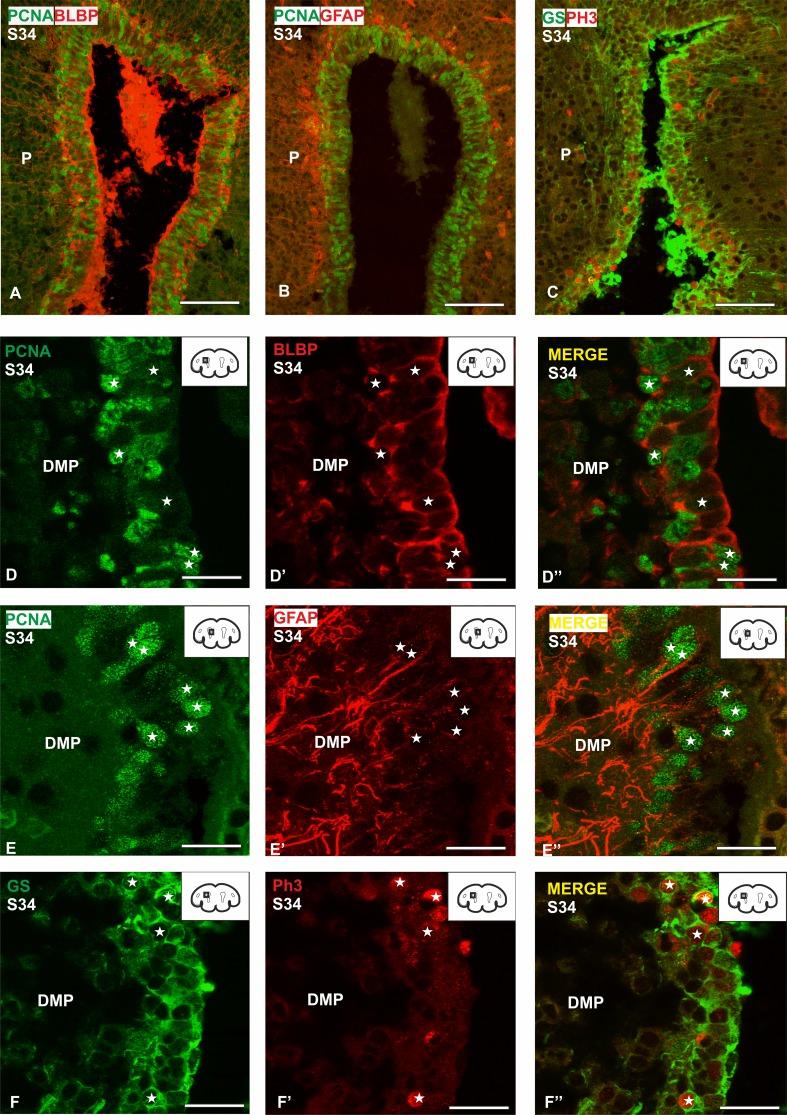
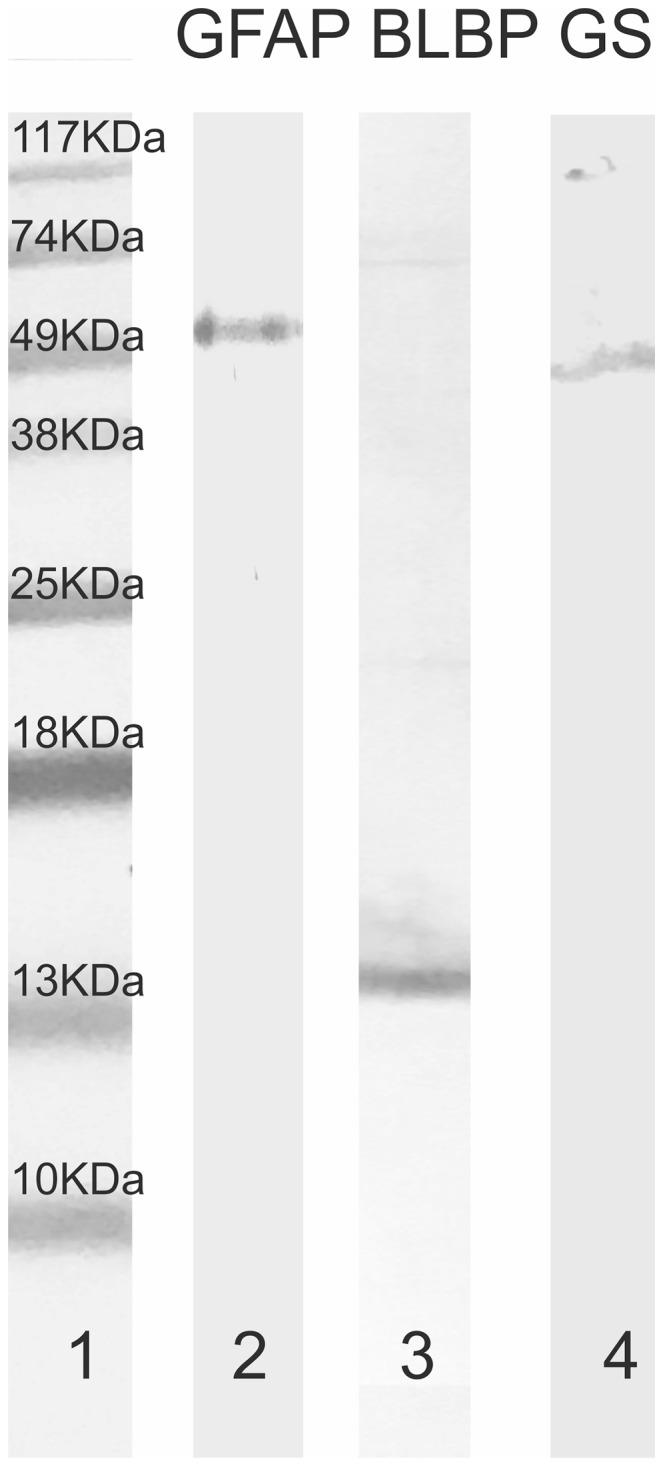
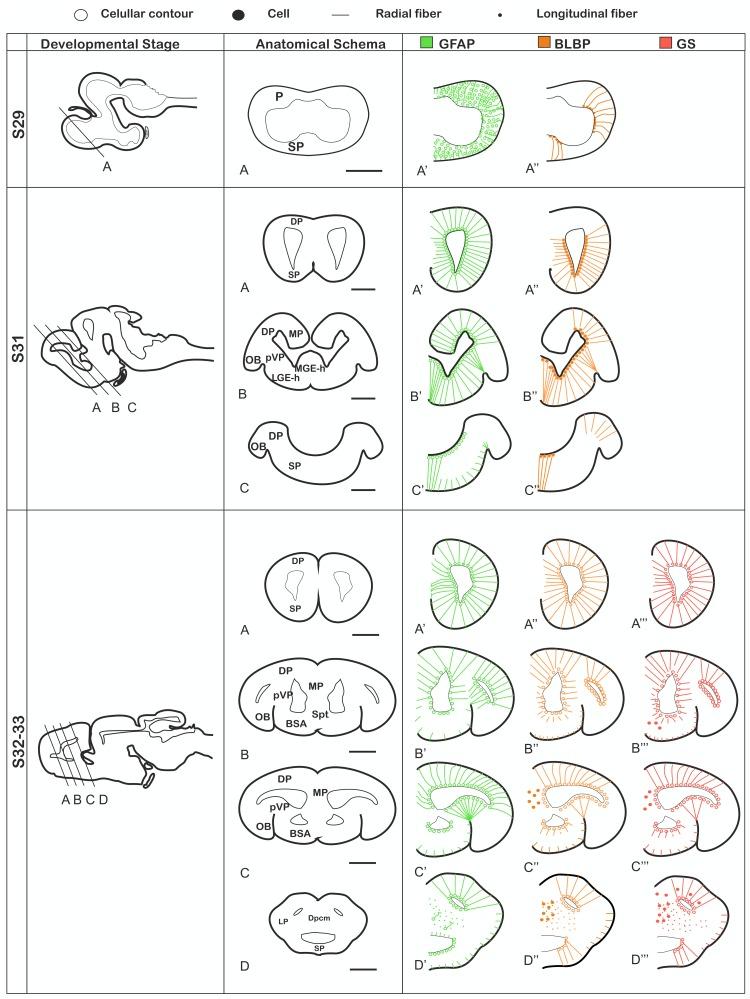
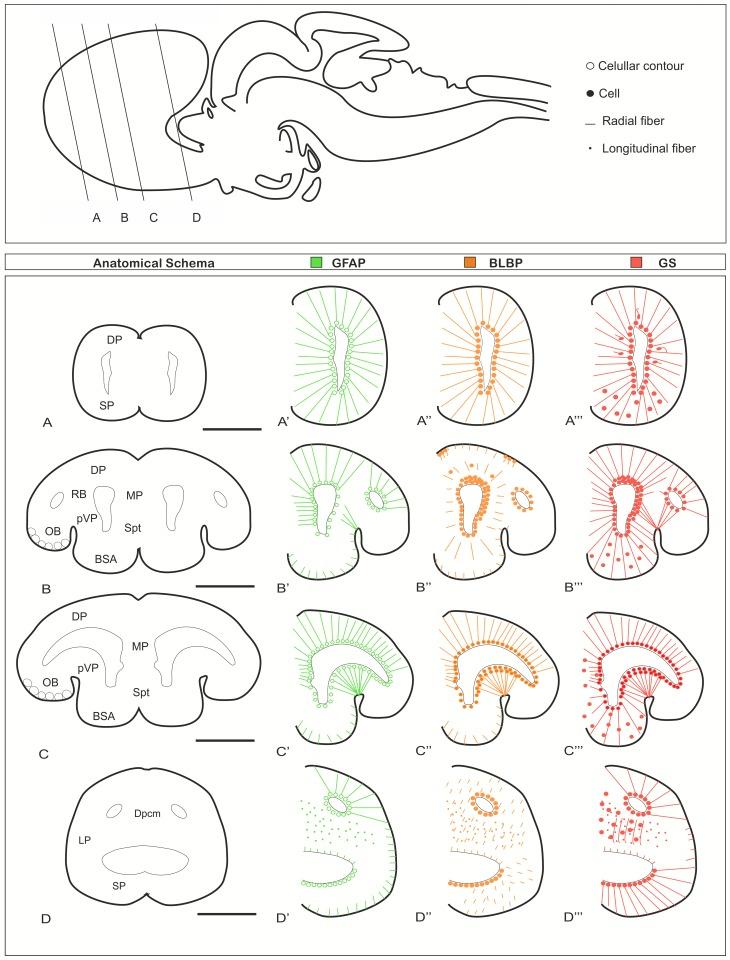
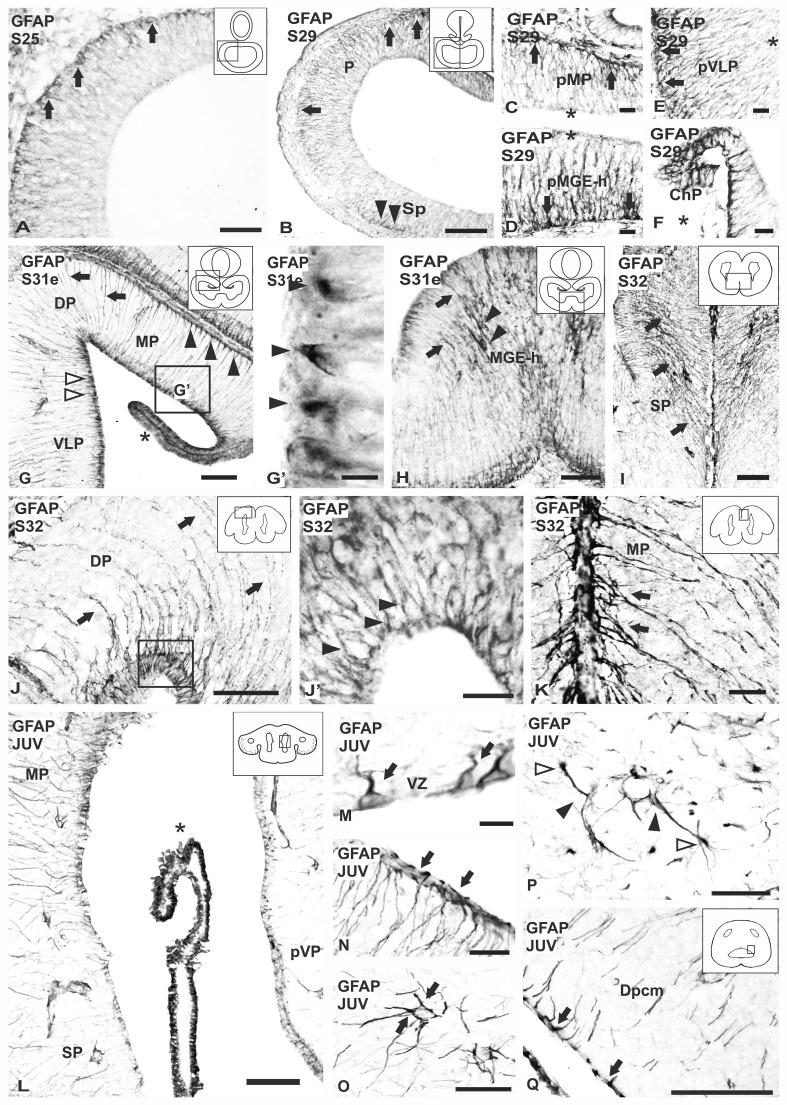
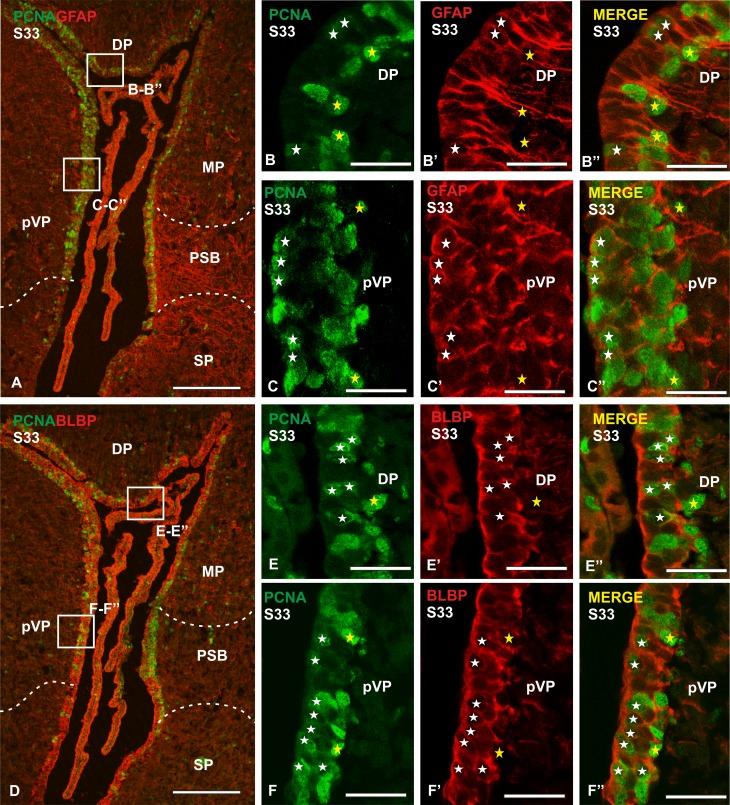
Radial glial cells (RGCs) are the first cell populations of glial nature to appear during brain ontogeny. They act as primary progenitor (stem) cells as well as a scaffold for neuronal migration. The proliferative capacity of these cells, both in development and in adulthood, has been subject of interest during past decades. In contrast with mammals where RGCs are restricted to specific ventricular areas in the adult brain, RGCs are the predominant glial element in fishes. However, developmental studies on the RGCs of cartilaginous fishes are scant. We have studied the expression patterns of RGCs markers including glial fibrillary acidic protein (GFAP), brain lipid binding protein (BLBP), and glutamine synthase (GS) in the telencephalic hemispheres of catshark (Scyliorhinus canicula) from early embryos to post-hatch juveniles. GFAP, BLBP and GS are first detected, respectively, in early, intermediate and late embryos. Expression of these glial markers was observed in cells with radial glia morphology lining the telencephalic ventricles, as well as in their radial processes and endfeet at the pial surface and their expression continue in ependymal cells (or tanycytes) in early juveniles. In addition, BLBP- and GS-immunoreactive cells morphologically resembling oligodendrocytes were observed. In late embryos, most of the GFAP- and BLBP-positive RGCs also coexpress GS and show proliferative activity. Our results indicate the existence of different proliferating subpopulations of RGCs in the embryonic ventricular zone of catshark. Further investigations are needed to determine whether these proliferative RGCs could act as neurogenic and/or gliogenic precursors.
放射状胶质细胞(RGCs)是神经发生过程中最早出现的胶质细胞群体。它们作为初级祖细胞(干细胞)以及神经元迁移的支架发挥作用。这些细胞的增殖能力,无论是在发育过程中还是在成年期,都是过去几十年研究的热点。与哺乳动物不同,哺乳动物的 RGCs 局限于成年大脑的特定脑室区域,而鱼类的 RGCs 是主要的胶质细胞。然而,软骨鱼类 RGCs 的发育研究却很少。我们研究了 RGCs 标志物,包括胶质纤维酸性蛋白(GFAP)、脑脂质结合蛋白(BLBP)和谷氨酰胺合成酶(GS),在猫鲨(Scyliorhinus canicula)早期胚胎到孵化后幼体的端脑半球中的表达模式。GFAP、BLBP 和 GS 分别在早期、中期和晚期胚胎中首次被检测到。这些神经胶质标志物的表达在沿端脑脑室排列的具有放射状胶质形态的细胞中观察到,以及在它们的放射状突起和软脑膜表面的终足中观察到,并且在早期幼体中的室管膜细胞(或室管膜下细胞)中持续表达。此外,观察到形态上类似于少突胶质细胞的 BLBP 和 GS 免疫反应性细胞。在晚期胚胎中,大多数 GFAP 和 BLBP 阳性的 RGCs 也共表达 GS 并表现出增殖活性。我们的结果表明,猫鲨胚胎脑室区存在不同的增殖性 RGC 亚群。需要进一步的研究来确定这些增殖性 RGCs 是否可以作为神经发生和/或神经胶质发生的前体细胞。


 Zotero 插件