
鸡表达 IFIT5 可改善高致病性禽流感和强毒新城疫病毒的临床结果和病理学特征。
Chickens Expressing IFIT5 Ameliorate Clinical Outcome and Pathology of Highly Pathogenic Avian Influenza and Velogenic Newcastle Disease Viruses.
机构信息
Department of Virology, Faculty of Veterinary Medicine, Cairo University, Giza, Egypt.
The Pirbright Institute, Woking, United Kingdom.
出版信息
Front Immunol. 2018 Sep 14;9:2025. doi: 10.3389/fimmu.2018.02025. eCollection 2018.
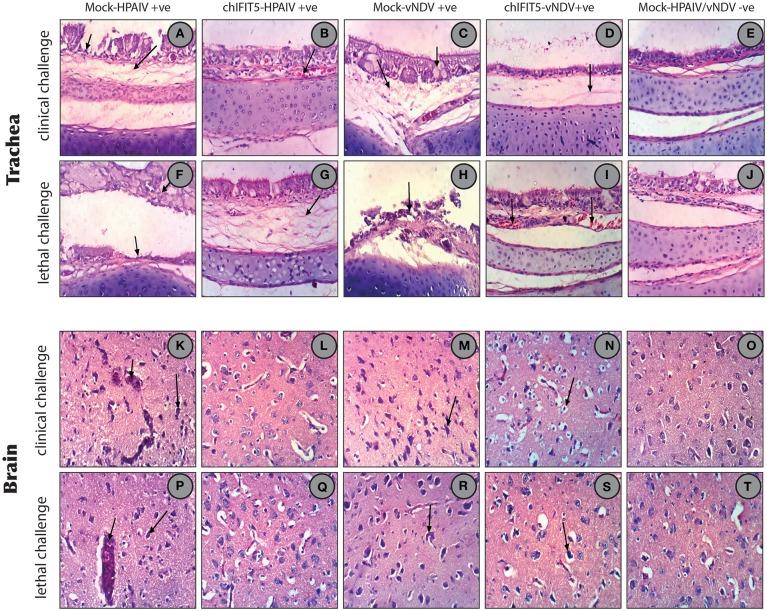
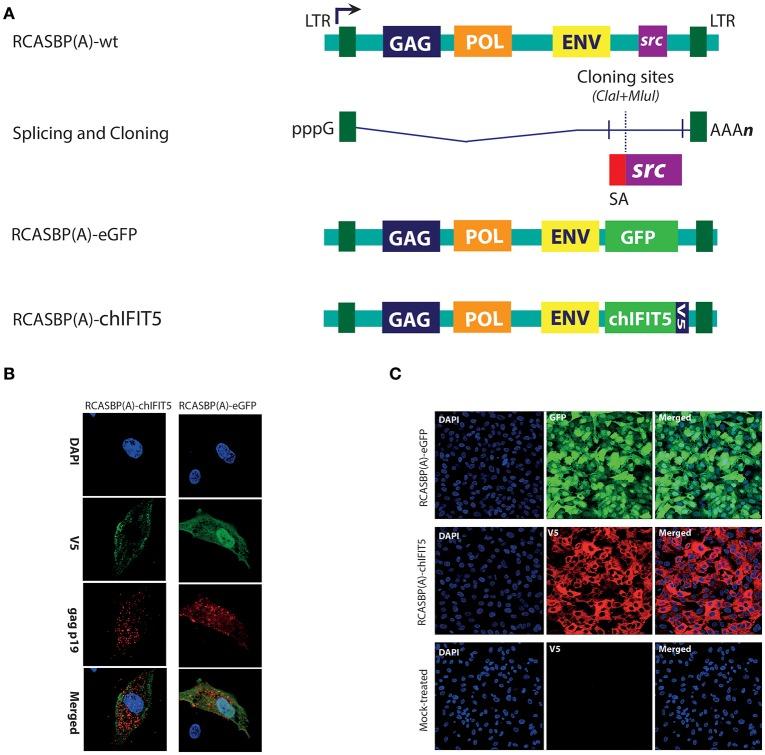
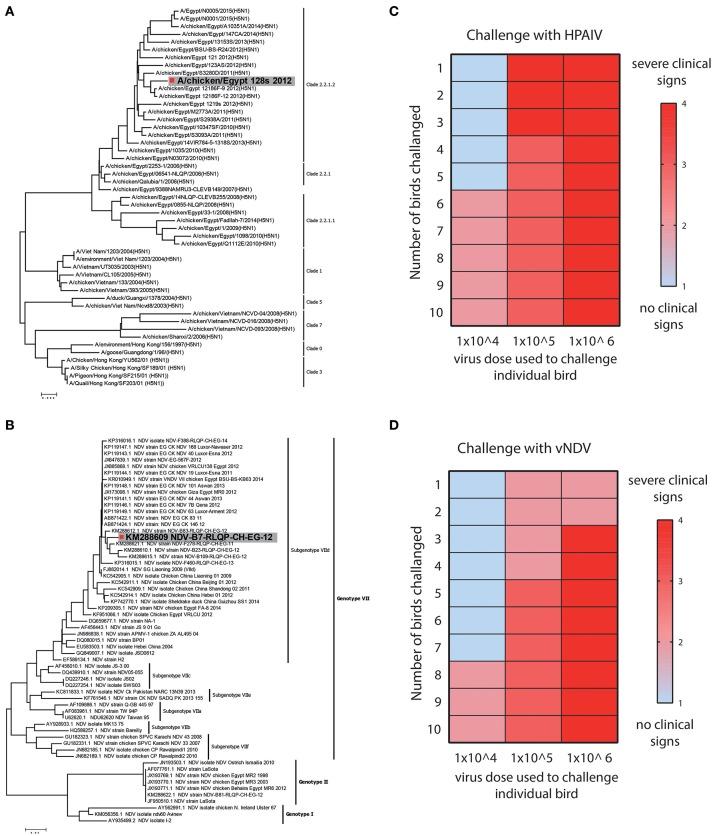
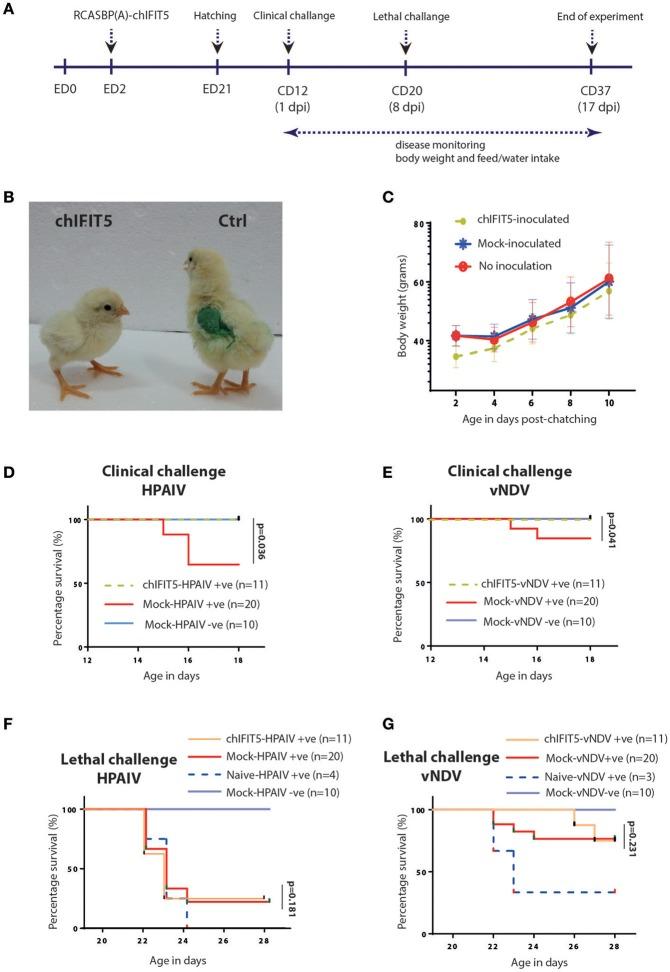
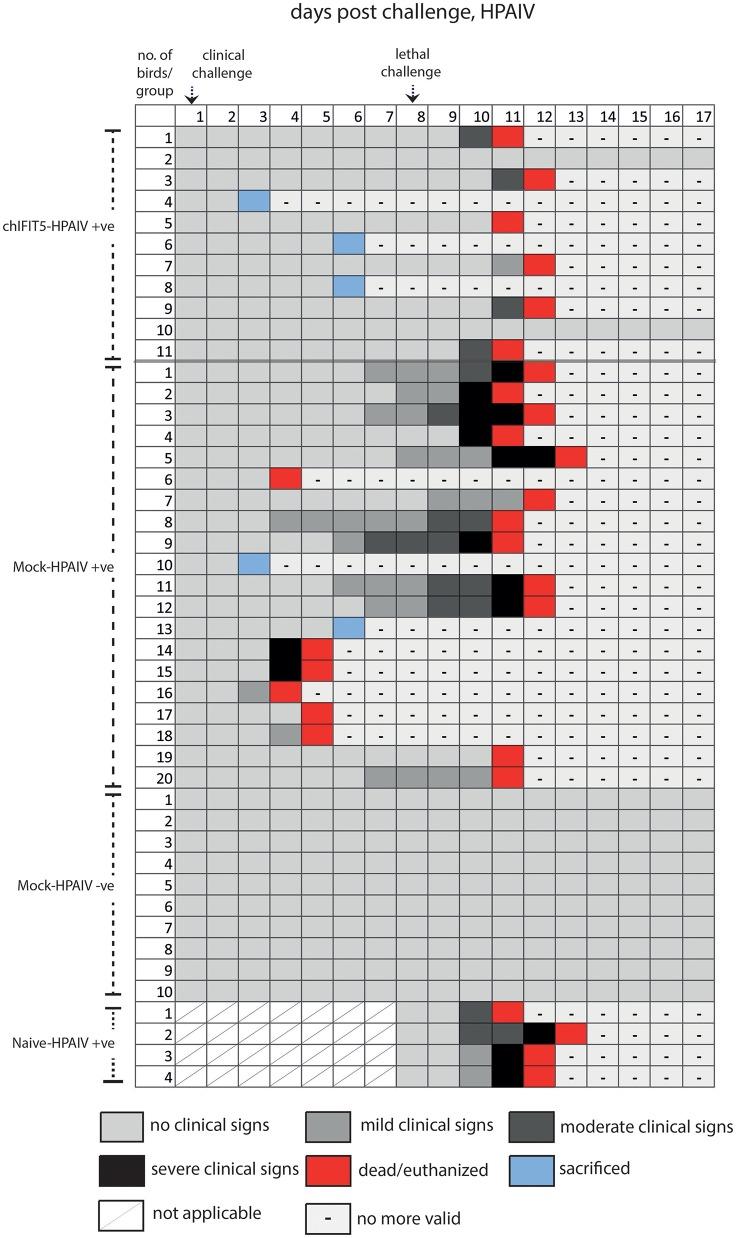
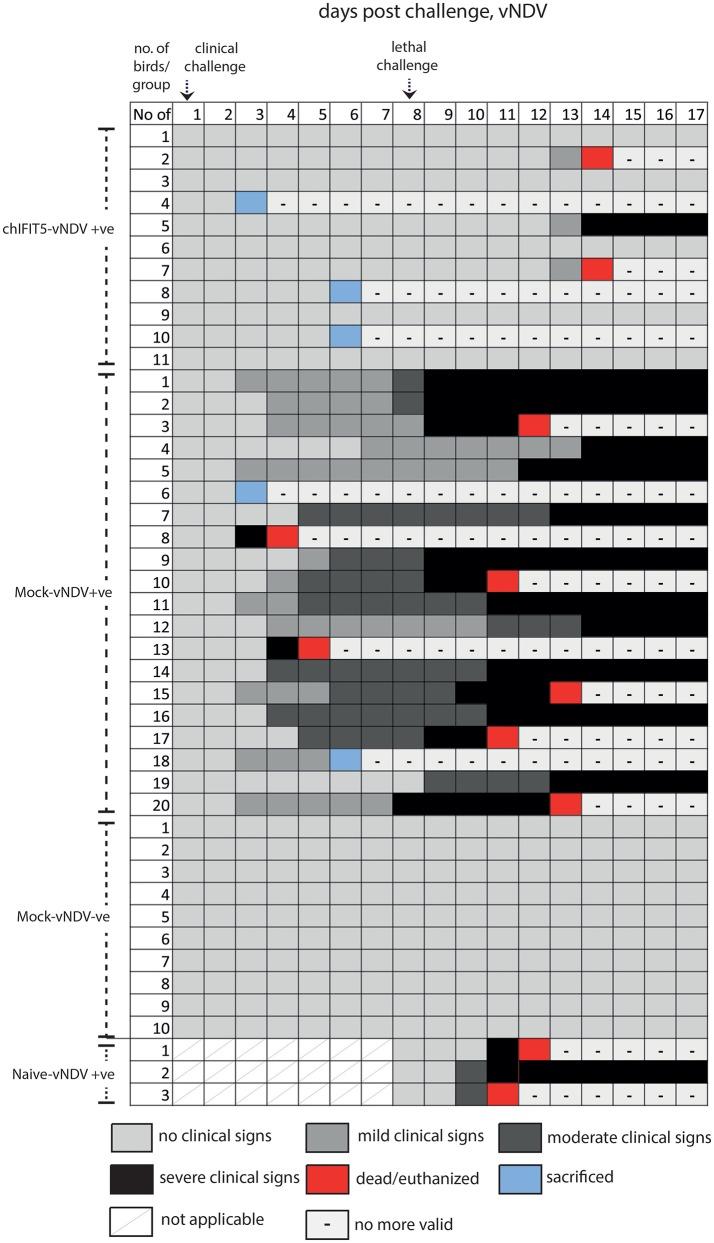
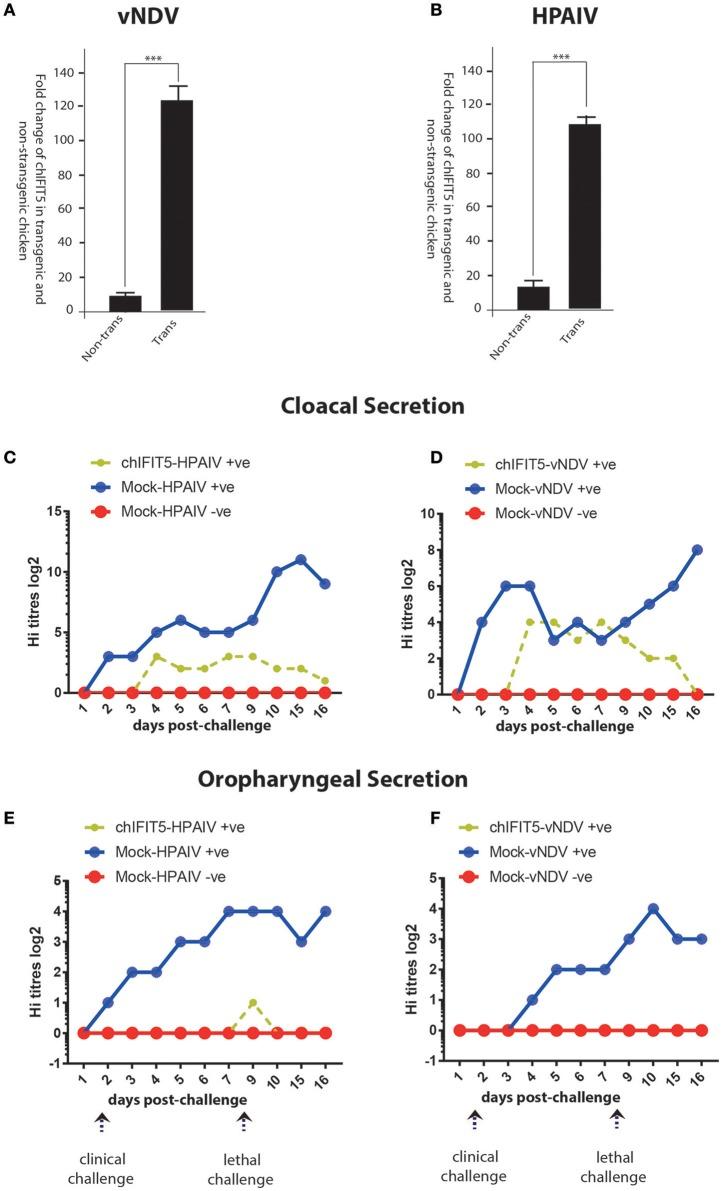
Innate antiviral immunity establishes first line of defense against invading pathogens through sensing their molecular structures such as viral RNA. This antiviral potential of innate immunity is mainly attributed to a myriad of IFN-stimulated genes (ISGs). Amongst well-characterized ISGs, we have previously shown that antiviral potential of chicken IFN-induced proteins with tetratricopeptides repeats 5 (chIFIT5) is determined by its interaction potential with 5'ppp containing viral RNA. Here, we generated transgenic chickens using avian sarcoma-leukosis virus (RCAS)-based gene transfer system that constitutively and stably express chIFIT5. The transgenic chickens infected with clinical dose (EID 10 for HPAIV and 10 EID for vNDV) of high pathogenicity avian influenza virus (HPAIV; H5N1) or velogenic strain of Newcastle disease virus (vNDV; Genotype VII) showed marked resistance against infections. While transgenic chickens failed to sustain a lethal dose of these viruses (EID 10 for HPAIV and 10 EID for vNDV), a delayed and lower level of clinical disease and mortality, reduced virus shedding and tissue damage was observed compared to non-transgenic control chickens. These observations suggest that stable expression of chIFIT5 alone is potentially insufficient in providing sterile protection against these highly virulent viruses; however, it is sufficient to ameliorate the clinical outcome of these RNA viruses. These findings propose the potential of innate immune genes in conferring genetic resistance in chickens against highly pathogenic and zoonotic viral pathogens causing sever disease in both animals and humans.
先天抗病毒免疫通过感知病毒 RNA 等分子结构来建立抵御入侵病原体的第一道防线。先天免疫的这种抗病毒潜力主要归因于大量的 IFN 刺激基因 (ISGs)。在特征明确的 ISGs 中,我们之前已经表明,具有四肽重复 5 的鸡 IFN 诱导蛋白 (chIFIT5) 的抗病毒潜力取决于其与含 5'ppp 的病毒 RNA 的相互作用潜力。在这里,我们使用禽肉瘤白血病病毒 (RCAS) 为基础的基因转移系统生成了转基因鸡,该系统持续稳定地表达 chIFIT5。感染临床剂量 (HPAIV 的 EID 10 和 vNDV 的 10 EID) 的高致病性禽流感病毒 (HPAIV; H5N1) 或新城疫病毒 (vNDV; 基因型 VII) 的转基因鸡表现出对感染的明显抗性。虽然转基因鸡无法承受这些病毒的致死剂量 (HPAIV 的 EID 10 和 vNDV 的 10 EID),但与非转基因对照鸡相比,观察到临床疾病和死亡率延迟且较低,病毒脱落和组织损伤减少。这些观察结果表明,单独稳定表达 chIFIT5 可能不足以提供针对这些高致病性病毒的无菌保护;然而,它足以改善这些 RNA 病毒的临床结果。这些发现提出了先天免疫基因在赋予鸡对导致动物和人类严重疾病的高致病性和人畜共患病病毒病原体的遗传抗性方面的潜力。
 Zotero 插件