
大尿毒症毒素:终末期肾病的未解决问题。
Large uremic toxins: an unsolved problem in end-stage kidney disease.
机构信息
Department of Renal Medicine, Royal Brisbane and Women's Hospital, Brisbane, QLD, Australia.
Faculty of Medicine, University of Queensland, Herston, QLD, Australia.
出版信息
Nephrol Dial Transplant. 2018 Oct 1;33(suppl_3):iii6-iii11. doi: 10.1093/ndt/gfy179.
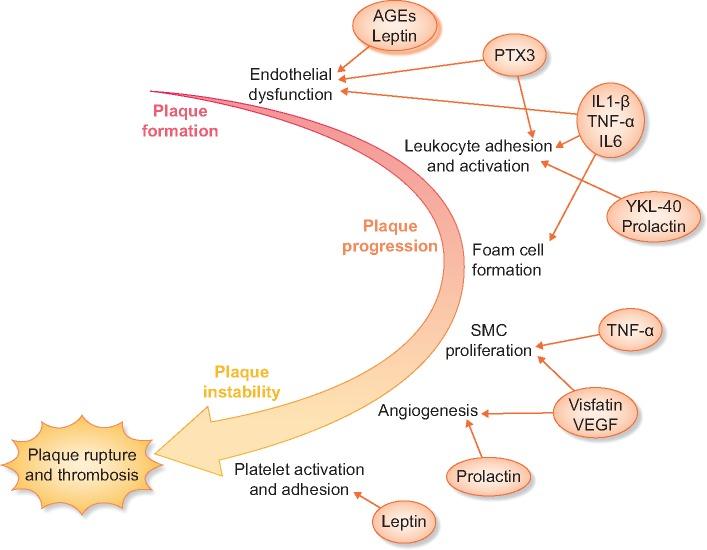
Patients with end-stage kidney disease (ESKD) on maintenance hemodialysis are subject to a high burden of inflammation and cardiovascular disease, driven at least in part by retention of uremic solutes. Existing dialysis technologies using high-flux membranes offer limited clearance of solutes >15 kDa. New approaches to improve the removal of large uremic toxins include the novel medium cut-off dialysis membranes with pores larger than those in high-flux membranes. These new membranes provide the potential to improve the clearance of large middle molecules up to 50 kDa. In this review, we discuss 18 uremic toxins with molecular weights between 15 and 60 kDa that are retained in ESKD, for which there is evidence of a link to inflammation and/or cardiovascular disease. These include inflammatory proteins, cytokines, adipokines and other signaling proteins. Improved clearance of this group of difficult to remove molecules has the potential to lead to improved outcomes in dialysis patients by reducing the burden of cardiovascular disease, which now needs to be assessed in robust clinical trials.
终末期肾病(ESKD)维持性血液透析患者存在较高的炎症和心血管疾病负担,至少部分原因是尿毒症溶质的潴留。目前使用高通量膜的透析技术对 >15 kDa 的溶质的清除率有限。改善大尿毒症毒素清除率的新方法包括新型中截留透析膜,其孔径大于高通量膜。这些新膜有可能提高对达至 50 kDa 的大中分子的清除率。在这篇综述中,我们讨论了分子量在 15 至 60 kDa 之间的 18 种尿毒症毒素,这些毒素与炎症和/或心血管疾病有关,证据确凿。这些包括炎症蛋白、细胞因子、脂肪因子和其他信号蛋白。这组难以清除的分子的清除率提高,有可能通过降低心血管疾病的负担来改善透析患者的预后,现在需要在强有力的临床试验中进行评估。
 Zotero 插件