
理论探索产生了关于软骨终板在早期椎间盘退变中作用的新假说。
Theoretical Explorations Generate New Hypotheses About the Role of the Cartilage Endplate in Early Intervertebral Disk Degeneration.
作者信息
Ruiz Wills Carlos, Foata Baptiste, González Ballester Miguel Á, Karppinen Jaro, Noailly Jérôme
机构信息
BCN MedTech, Department of Information and Communication Technologies, Universitat Pompeu Fabra (UPF), Barcelona, Spain.
Institute for Bioengineering of Catalonia (IBEC), Barcelona, Spain.
出版信息
Front Physiol. 2018 Sep 19;9:1210. doi: 10.3389/fphys.2018.01210. eCollection 2018.
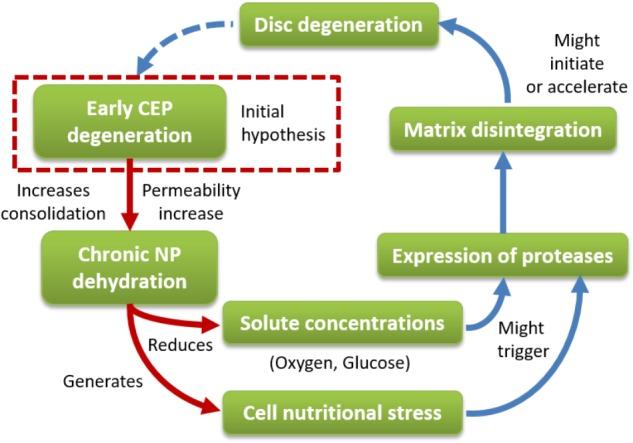
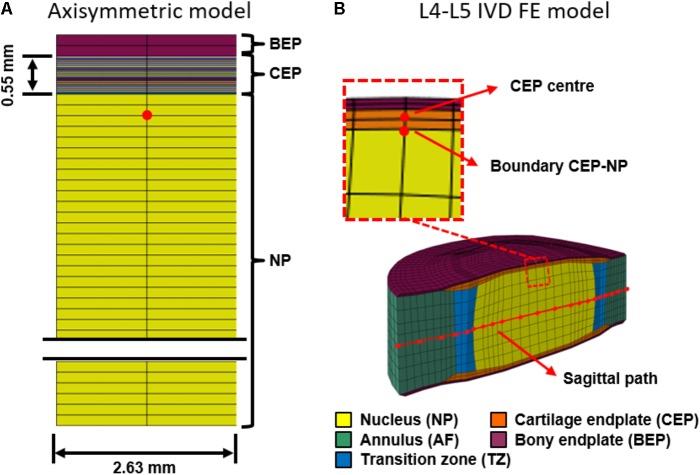
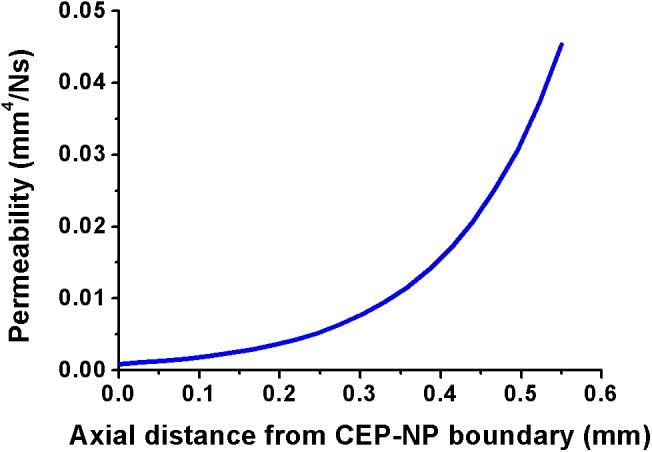
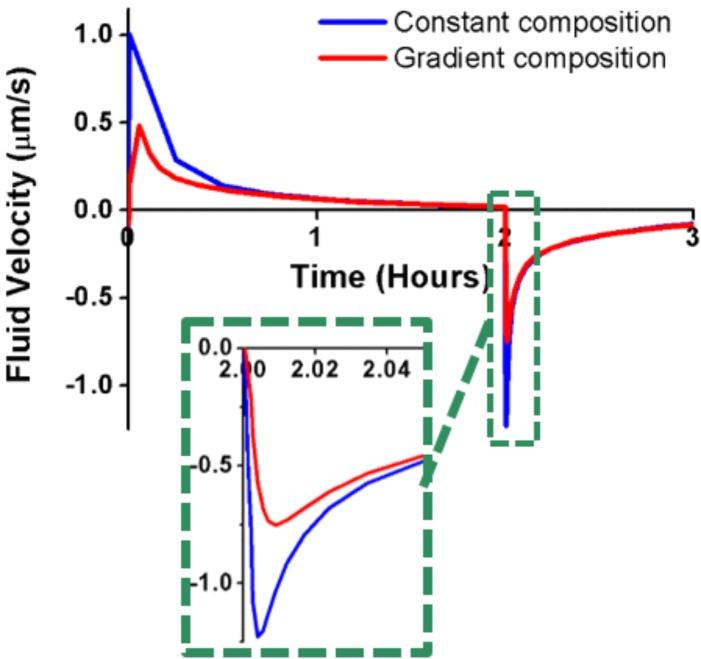
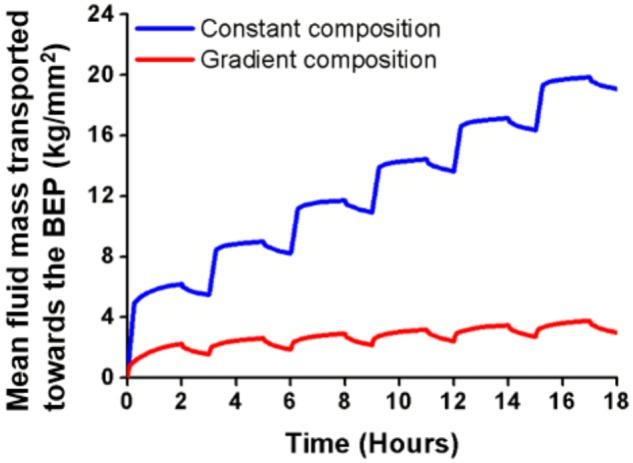
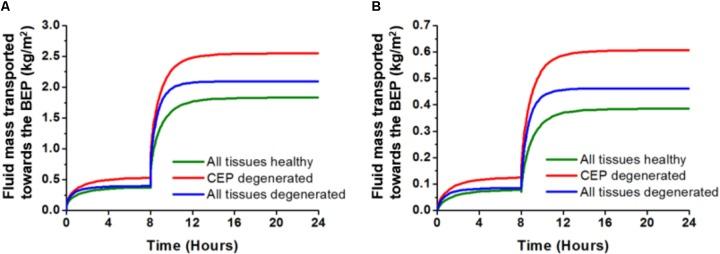
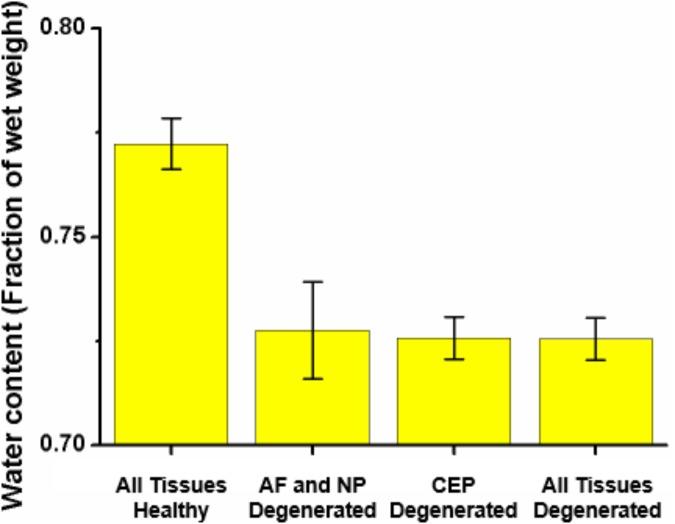
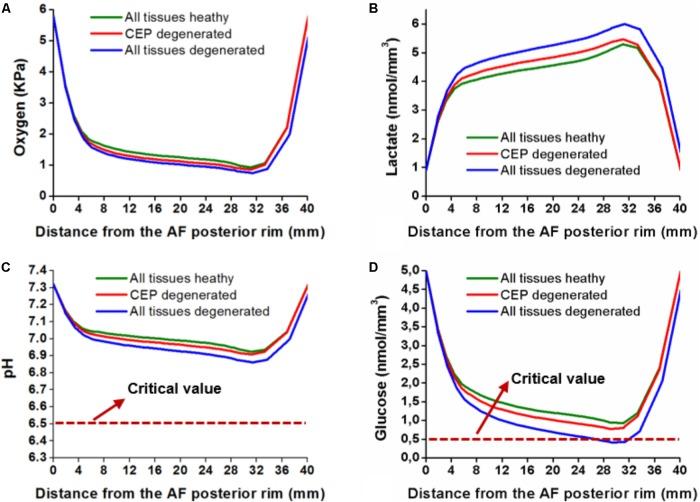
Altered cell nutrition in the intervertebral disk (IVD) is considered a main cause for disk degeneration (DD). The cartilage endplate (CEP) provides a major path for the diffusion of nutrients from the peripheral vasculature to the IVD nucleus pulposus (NP). In DD, sclerosis of the adjacent bony endplate is suggested to be responsible for decreased diffusion and disk cell nutrition. Yet, experimental evidence does not support this hypothesis. Hence, we evaluated how moderate CEP composition changes related to tissue degeneration can affect disk nutrition and cell viability. A novel composition-based permeability formulation was developed for the CEP, calibrated, validated, and used in a mechano-transport finite element IVD model. Fixed solute concentrations were applied at the outer surface of the annulus and the CEP, and three cycles of daily mechanical load were simulated. The CEP model indicated that CEP permeability increases with the degeneration/aging of the tissue, in accordance with recent measurements reported in the literature. Additionally, our results showed that CEP degeneration might be responsible for mechanical load-induced NP dehydration, which locally affects oxygen and lactate levels, and reduced glucose concentration by 16% in the NP-annulus transition zone. Remarkably, CEP degeneration was a condition sine-qua-non to provoke cell starvation and death, while simulating the effect of extracellular matrix depletion in DD. This theoretical study cast doubts about the paradigm that CEP calcification is needed to provoke cell starvation, and suggests an alternative path for DD whereby the early degradation of the CEP plays a key role.
椎间盘(IVD)中细胞营养的改变被认为是椎间盘退变(DD)的主要原因。软骨终板(CEP)为营养物质从外周血管扩散至IVD髓核(NP)提供了主要途径。在DD中,相邻骨终板的硬化被认为是导致扩散减少和椎间盘细胞营养降低的原因。然而,实验证据并不支持这一假说。因此,我们评估了与组织退变相关的适度CEP成分变化如何影响椎间盘营养和细胞活力。我们为CEP开发了一种基于成分的新型渗透性公式,进行了校准、验证,并将其应用于一个机械-运输有限元IVD模型中。在纤维环和CEP的外表面施加固定的溶质浓度,并模拟了每日三个周期的机械负荷。CEP模型表明,CEP的渗透性随着组织的退变/老化而增加,这与文献中最近报道的测量结果一致。此外,我们的结果表明,CEP退变可能是机械负荷诱导的NP脱水的原因,这会局部影响氧气和乳酸水平,并使NP-纤维环过渡区的葡萄糖浓度降低16%。值得注意的是,在模拟DD中细胞外基质耗竭的影响时,CEP退变是引发细胞饥饿和死亡的必要条件。这项理论研究对CEP钙化是引发细胞饥饿所必需的这一范式提出了质疑,并提出了一种DD的替代途径,即CEP的早期降解起关键作用。


 Zotero 插件