
慢性炎症性疾病的表观遗传学
Epigenetics of chronic inflammatory diseases.
作者信息
Stylianou Eleni
机构信息
Consultant Biomedical Scientist and Bioinformaticist, North Royalton, OH, USA,
出版信息
J Inflamm Res. 2018 Dec 20;12:1-14. doi: 10.2147/JIR.S129027. eCollection 2019.
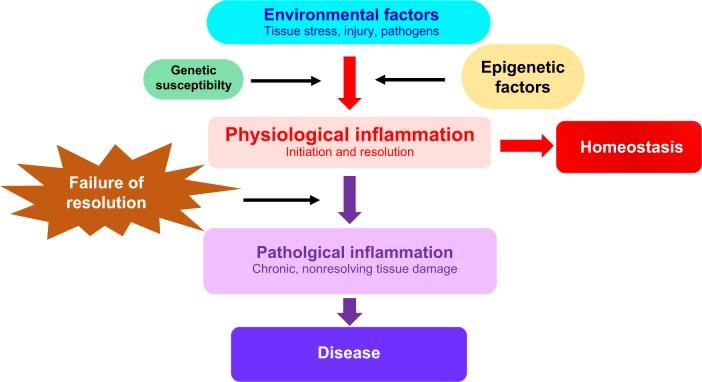
Chronic, noncommunicable, and inflammation-associated diseases remain the largest cause of morbidity and mortality globally and within the United States. This is mainly due to our limited understanding of the molecular mechanisms that underlie these complex pathologies. The available evidence indicates that studies of epigenetics (traditionally defined as the heritable changes to gene expression that are independent of changes to DNA) are significantly advancing our knowledge of these inflammatory conditions. This review will focus on epigenetic studies of three diseases, that are among the most burdensome globally: cardiovascular disease, the number one cause of deaths worldwide, type 2 diabetes and, Alzheimer's disease. The current status of epigenetic research, including the ability to predict disease risk, and key pathophysiological defects are discussed. The significance of defining the contribution of epigenetic defects to nonresolving inflammation and aging, each associated with these diseases, is highlighted, as these are likely to provide new insights into inflammatory disease pathogenesis.
慢性、非传染性和炎症相关疾病仍然是全球及美国发病和死亡的主要原因。这主要是因为我们对这些复杂病理背后的分子机制了解有限。现有证据表明,表观遗传学研究(传统上定义为与DNA变化无关的基因表达可遗传变化)正在显著增进我们对这些炎症性疾病的认识。本综述将聚焦于三种全球负担最重的疾病的表观遗传学研究:心血管疾病,全球头号死因;2型糖尿病;以及阿尔茨海默病。文中讨论了表观遗传学研究的现状,包括预测疾病风险的能力以及关键病理生理缺陷。文中强调了确定表观遗传缺陷对与这些疾病相关的持续性炎症和衰老的作用的重要性,因为这可能为炎症性疾病的发病机制提供新的见解。
 Zotero 插件