
大肠杆菌在单一抗生素或两种抗生素连续获得耐药性过程中的基因组重排。
Genome rearrangements in Escherichia coli during de novo acquisition of resistance to a single antibiotic or two antibiotics successively.
机构信息
Laboratory for Molecular Biology and Microbial Food Safety, Swammerdam Institute for Life Sciences, University of Amsterdam, Amsterdam, The Netherlands.
RNA Biology & Applied Bioinformatics, Swammerdam Institute for Life Sciences, University of Amsterdam, Amsterdam, The Netherlands.
出版信息
BMC Genomics. 2018 Dec 27;19(1):973. doi: 10.1186/s12864-018-5353-y.
BACKGROUND
The ability of bacteria to acquire resistance to antibiotics relies to a large extent on their capacity for genome modification. Prokaryotic genomes are highly plastic and can utilize horizontal gene transfer, point mutations, and gene deletions or amplifications to realize genome expansion and rearrangements. The contribution of point mutations to de novo acquisition of antibiotic resistance is well-established. In this study, the internal genome rearrangement of Escherichia coli during to de novo acquisition of antibiotic resistance was investigated using whole-genome sequencing.
RESULTS
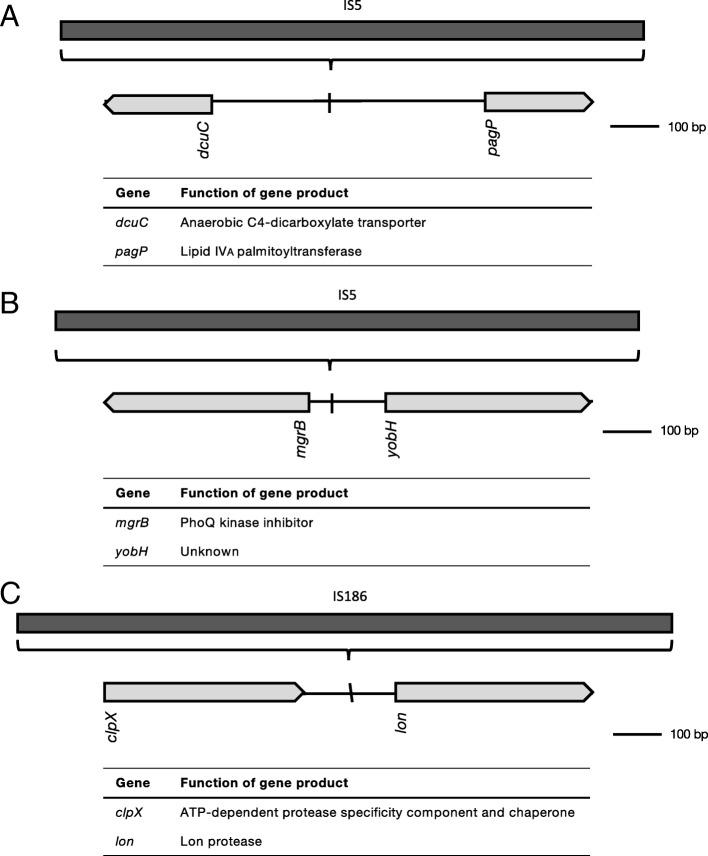
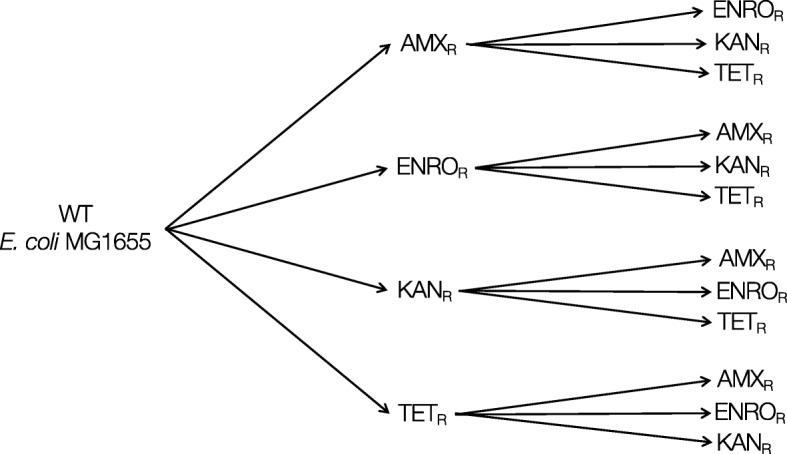
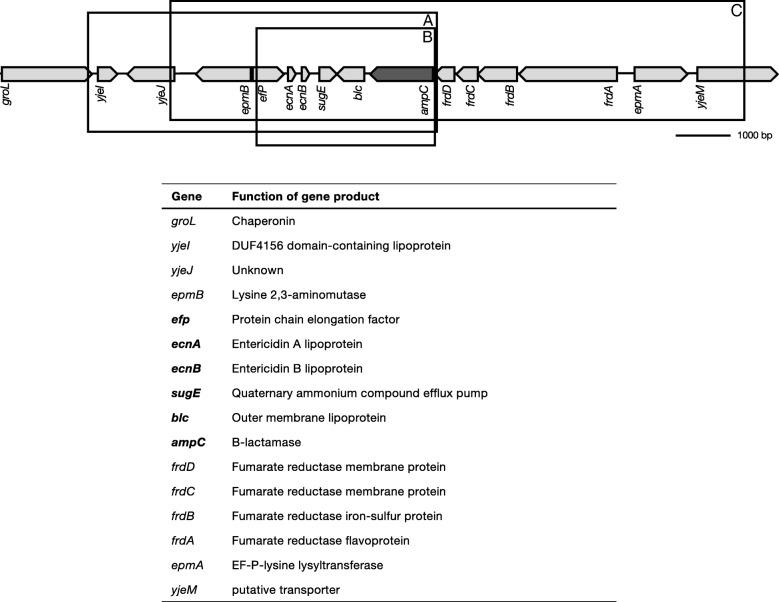
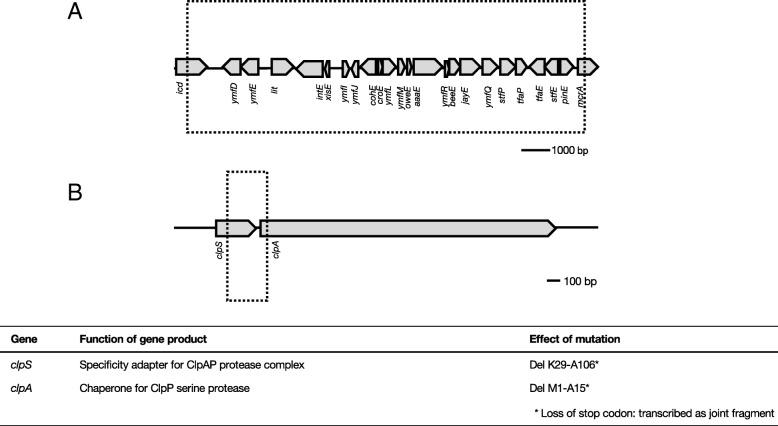
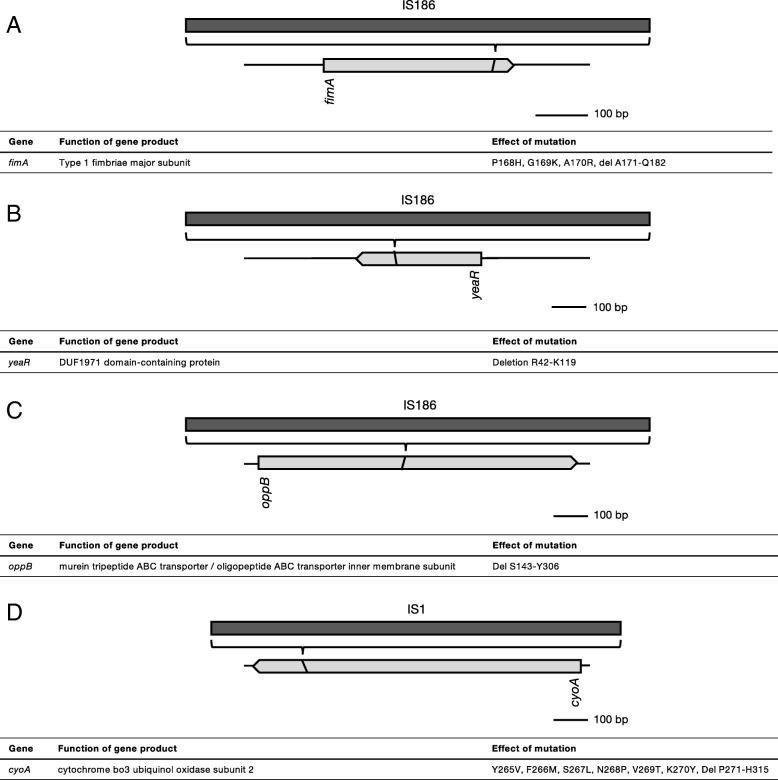
Cells were made resistant to one of the four antibiotics and subsequently to one of the three remaining. This way the initial genetic rearrangements could be documented together with the effects of an altered genetic background on subsequent development of resistance. A DNA fragment including ampC was amplified by a factor sometimes exceeding 100 as a result of exposure to amoxicillin. Excision of prophage e14 was observed in many samples with a double exposure history, but not in cells exposed to a single antibiotic, indicating that the activation of the SOS stress response alone, normally the trigger for excision, was not sufficient to cause excision of prophage e14. Partial deletion of clpS and clpA occurred in strains exposed to enrofloxacin and tetracycline. Other deletions were observed in some strains, but not in replicates with the exact same exposure history. Various insertion sequence transpositions correlated with exposure to specific antibiotics.
CONCLUSIONS
Many of the genome rearrangements have not been reported before to occur during resistance development. The observed correlation between genome rearrangements and specific antibiotic pressure, as well as their presence in independent replicates indicates that these events do not occur randomly. Taken together, the observed genome rearrangements illustrate the plasticity of the E. coli genome when exposed to antibiotic stress.
背景
细菌获得抗生素耐药性的能力在很大程度上依赖于其基因组修饰的能力。原核生物基因组具有高度的可塑性,可以利用水平基因转移、点突变以及基因缺失或扩增来实现基因组的扩展和重排。点突变在新获得抗生素耐药性方面的作用已得到充分证实。在这项研究中,我们使用全基因组测序技术研究了大肠杆菌在新获得抗生素耐药性过程中的内部基因组重排。
结果
细胞对四种抗生素中的一种产生耐药性,然后对三种剩余抗生素中的一种产生耐药性。这样就可以记录最初的遗传重排,以及遗传背景改变对随后耐药性发展的影响。氨苄西林暴露导致 ampC 基因的一个包括 ampC 的 DNA 片段扩增超过 100 倍。在许多具有双重暴露史的样本中观察到噬菌体能 14 号的切除,但在仅暴露于一种抗生素的细胞中没有观察到,这表明单独的 SOS 应激反应的激活,通常是噬菌体能 14 号切除的触发因素,不足以导致噬菌体能 14 号的切除。在暴露于恩诺沙星和四环素的菌株中观察到 clpS 和 clpA 的部分缺失。在一些菌株中观察到其他缺失,但在具有完全相同暴露史的重复实验中没有观察到。各种插入序列转座与特定抗生素的暴露有关。
结论
许多基因组重排以前没有报道过在耐药性发展过程中发生。观察到的基因组重排与特定抗生素压力之间的相关性,以及它们在独立重复实验中的存在表明,这些事件不是随机发生的。综上所述,观察到的基因组重排说明了大肠杆菌基因组在抗生素压力下的可塑性。


 Zotero 插件