
电压门控离子通道的热力学
Thermodynamics of voltage-gated ion channels.
作者信息
Zhang Xuejun C, Yang Hanting, Liu Zhenfeng, Sun Fei
机构信息
1National Laboratory of Biomacromolecules, CAS Center for Excellence in Biomacromolecules, Institute of Biophysics, Chinese Academy of Sciences, Beijing, 100101 China.
2College of Life Science, University of Chinese Academy of Sciences, Beijing, 100049 China.
出版信息
Biophys Rep. 2018;4(6):300-319. doi: 10.1007/s41048-018-0074-y. Epub 2018 Nov 16.
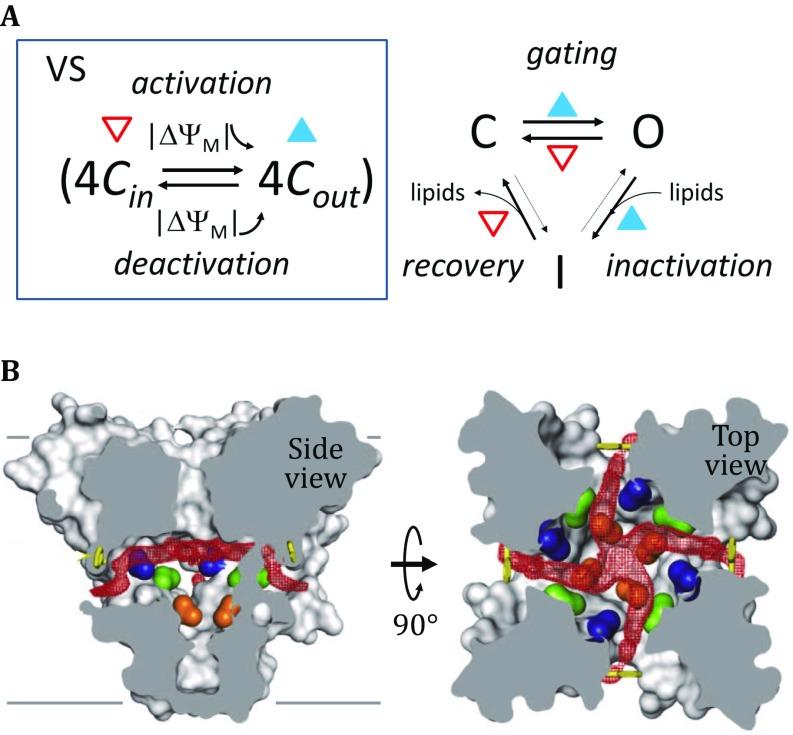
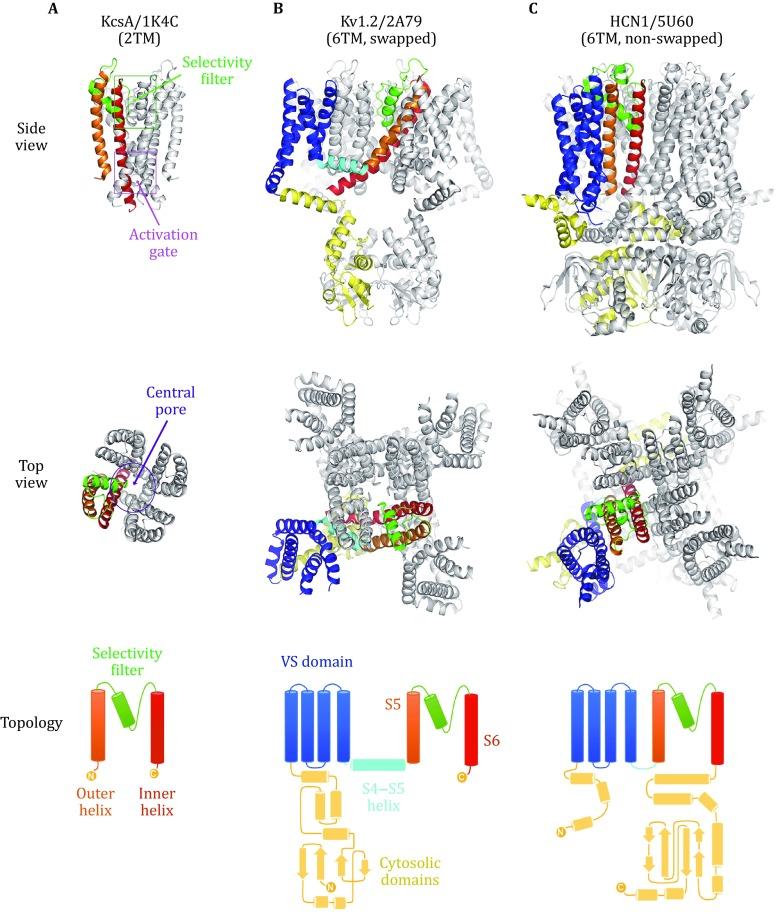
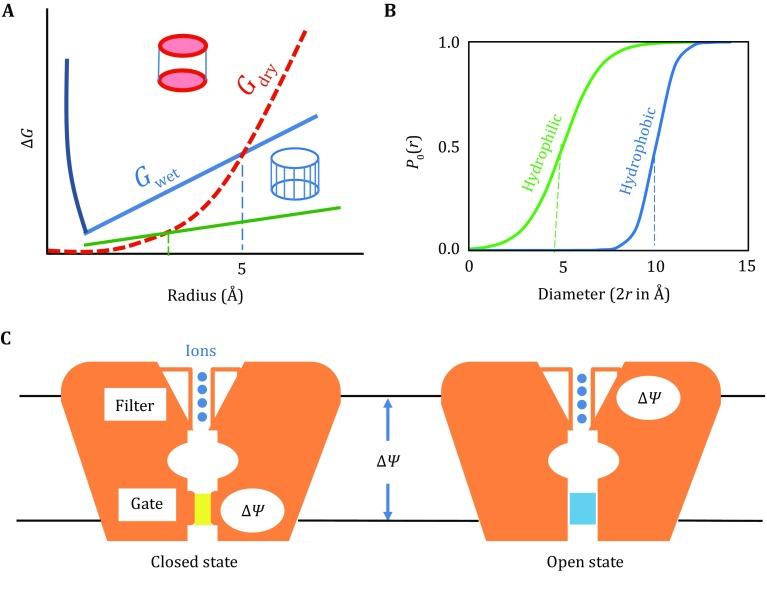
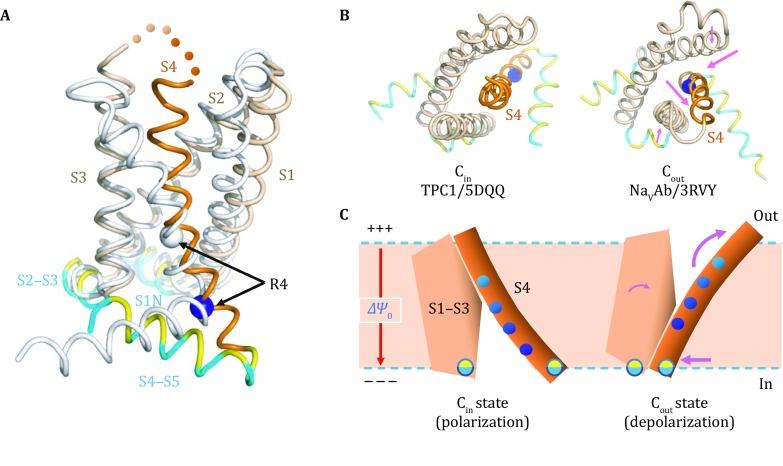
Ion channels are essential for cellular signaling. Voltage-gated ion channels (VGICs) are the largest and most extensively studied superfamily of ion channels. They possess modular structural features such as voltage-sensing domains that encircle and form mechanical connections with the pore-forming domains. Such features are intimately related to their function in sensing and responding to changes in the membrane potential. In the present work, we discuss the thermodynamic mechanisms of the VGIC superfamily, including the two-state gating mechanism, sliding-rocking mechanism of the voltage sensor, subunit cooperation, lipid-infiltration mechanism of inactivation, and the relationship with their structural features.
离子通道对于细胞信号传导至关重要。电压门控离子通道(VGICs)是最大且研究最广泛的离子通道超家族。它们具有模块化结构特征,例如环绕并与成孔结构域形成机械连接的电压感应结构域。这些特征与其感知和响应膜电位变化的功能密切相关。在本工作中,我们讨论了VGIC超家族的热力学机制,包括两态门控机制、电压传感器的滑动-摇摆机制、亚基协同作用、失活的脂质渗透机制以及它们与结构特征的关系。
 Zotero 插件