
人骨髓间充质干细胞中二氧化硅包覆的超顺磁性铁纳米颗粒的细胞内加工过程
Intracellular processing of silica-coated superparamagnetic iron nanoparticles in human mesenchymal stem cells.
作者信息
Harrison Richard P, Chauhan Veeren M, Onion David, Aylott Jonathan W, Sottile Virginie
机构信息
Wolfson Centre for Stem Cells, Tissue Engineering and Modelling (STEM), School of Medicine, Nottingham, NG7 2RD, UK. Email:
Centre for Biological Engineering, Loughborough University, Leicestershire LE11 3TU, UK.
出版信息
RSC Adv. 2019 Jan 24;9(6):3176-3184. doi: 10.1039/c8ra09089k. Epub 2019 Jan 23.
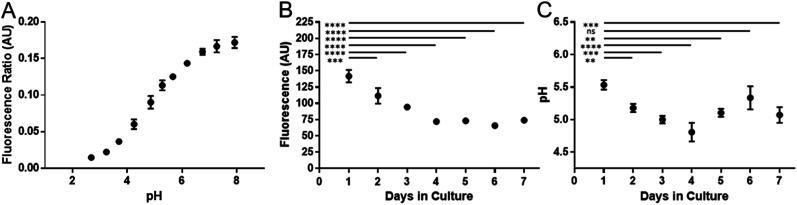
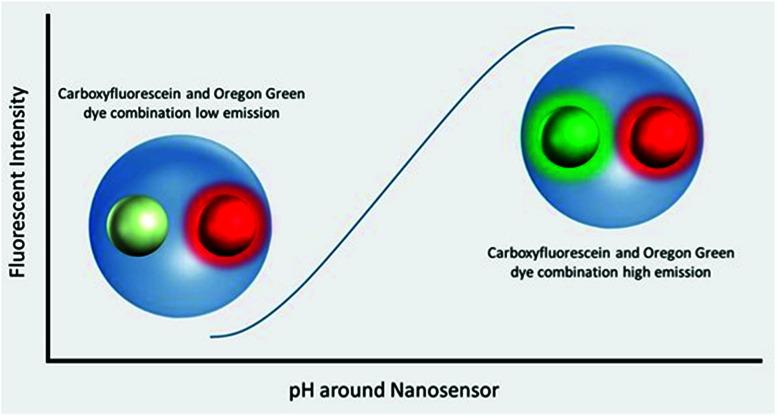
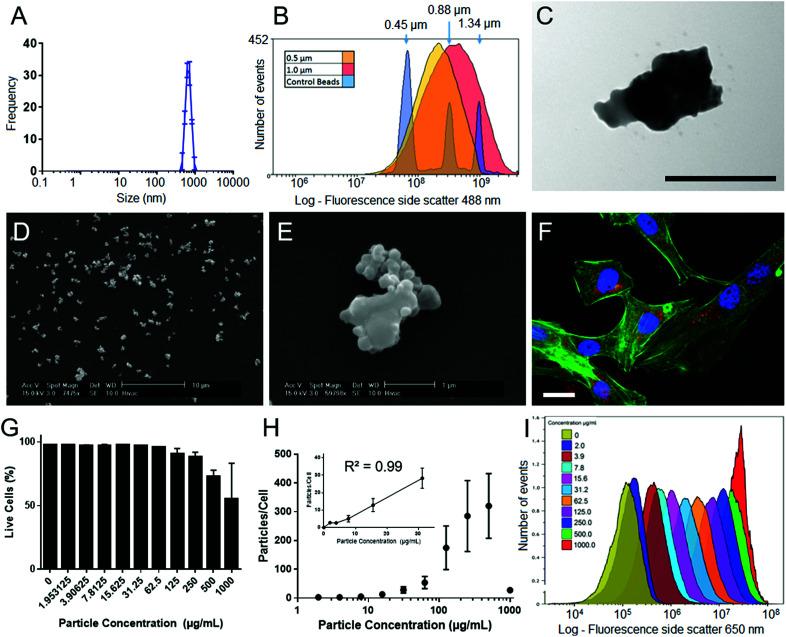
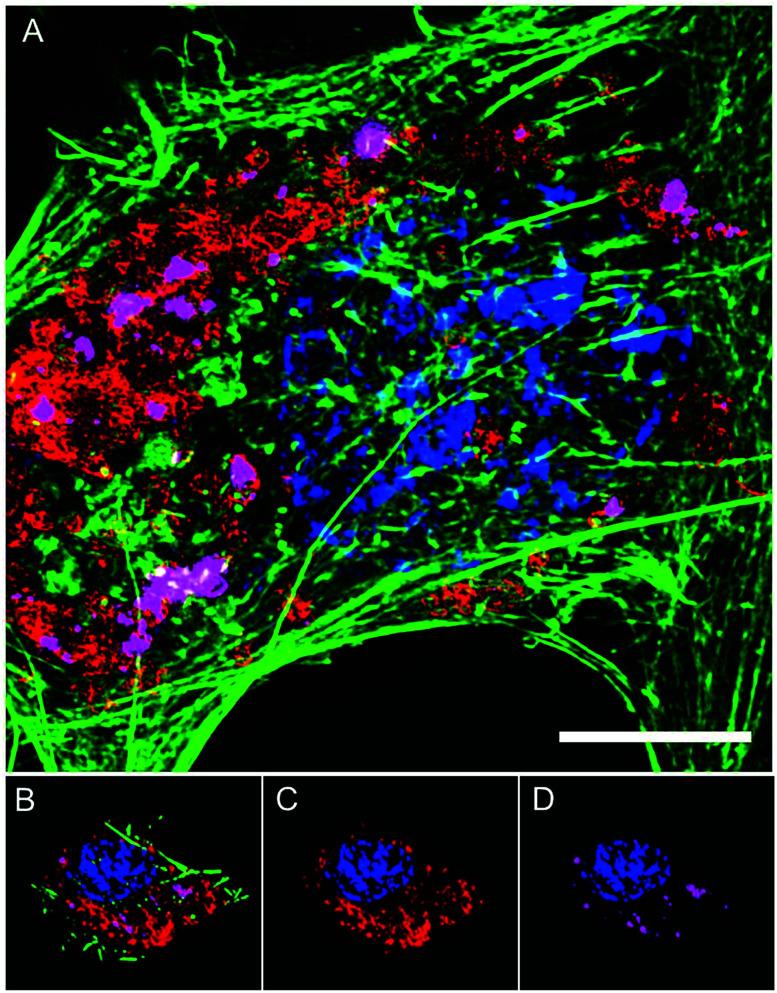
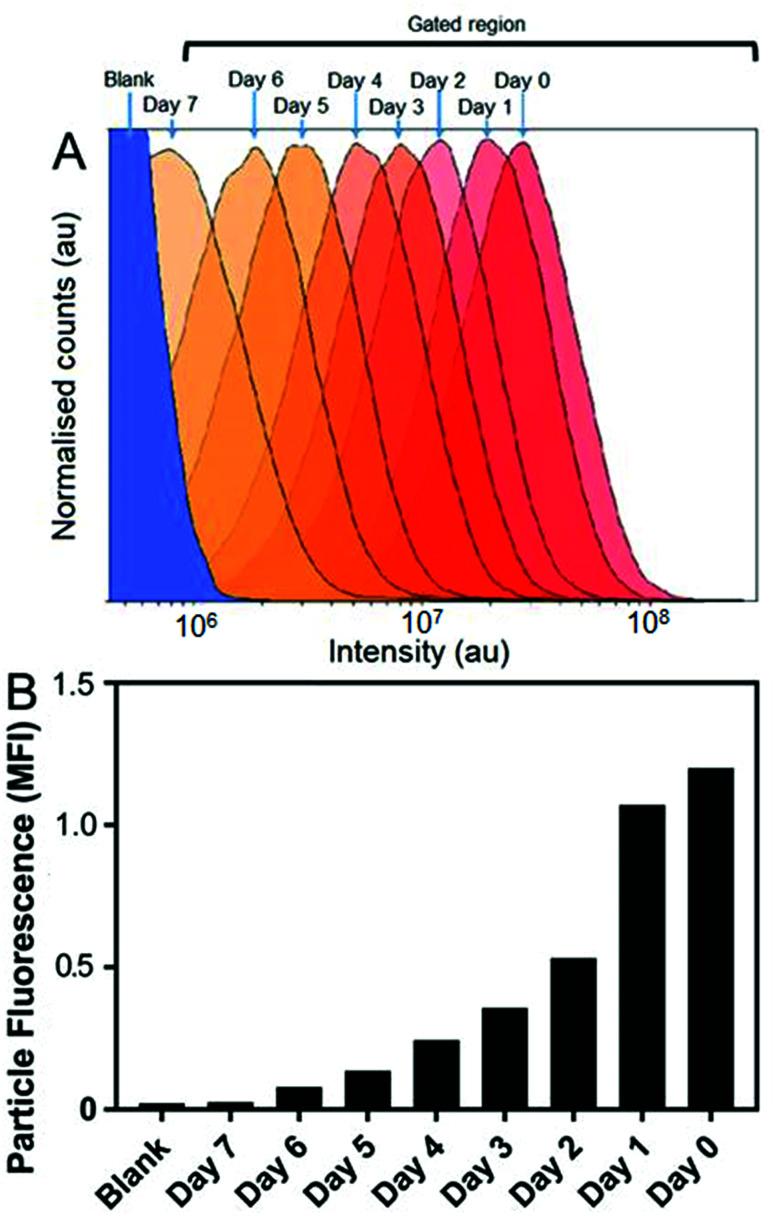
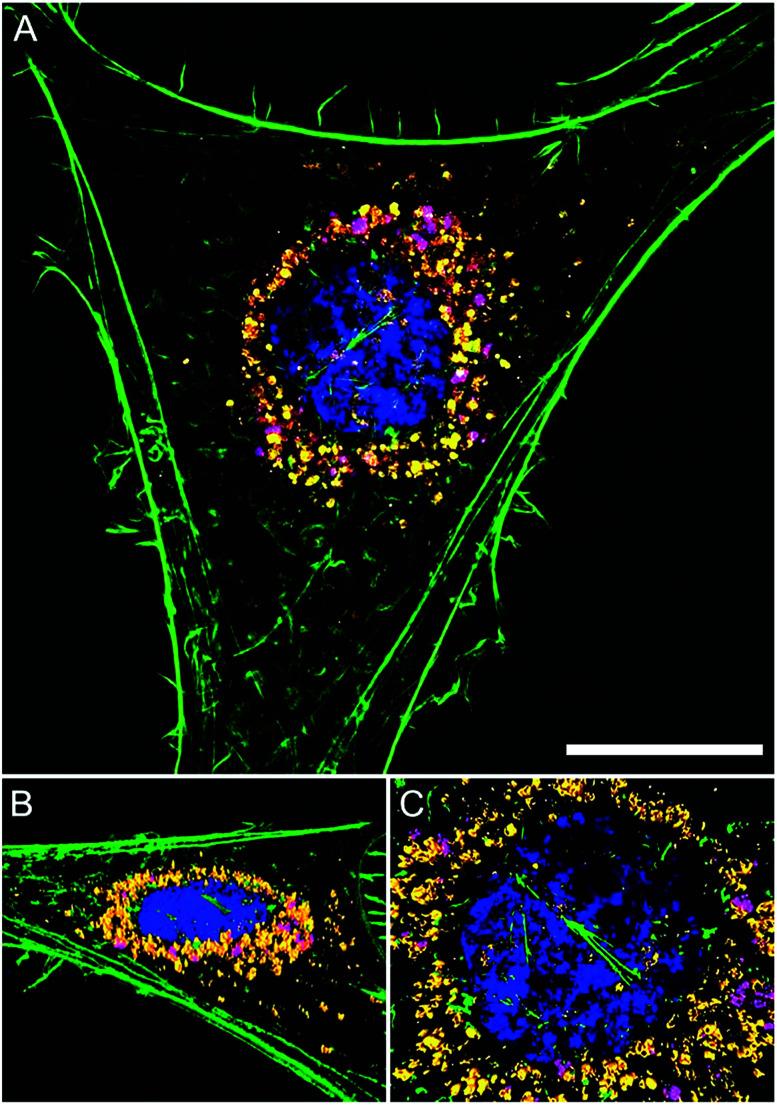
Silica-coated superparamagnetic iron nanoparticles (SiMAGs) are an exciting biomedical technology capable of targeted delivery of cell-based therapeutics and disease diagnosis. However, in order to realise their full clinical potential, their intracellular fate must be determined. The analytical techniques of super-resolution fluorescence microscopy, particle counting flow cytometry and pH-sensitive nanosensors were applied to elucidate mechanisms of intracellular SiMAG processing in human mesenchymal stem cell (hMSCs). Super-resolution microscopy showed SiMAG fluorescently-tagged nanoparticles are endocytosed and co-localised within lysosomes. When exposed to simulated lysosomal conditions SiMAGs were solubilised and exhibited diminishing fluorescence emission over 7 days. The intracellular metabolism of SiMAGs was monitored in hMSCs using flow cytometry and co-localised pH-sensitive nanosensors. A decrease in SiMAG fluorescence emission, which corresponded to a decrease in lysosomal pH was observed, mirroring observations, suggesting SiMAG lysosomal exposure degrades fluorescent silica-coatings and iron cores. These findings indicate although there is a significant decrease in intracellular SiMAG loading, sufficient particles remain internalised (>50%) to render SiMAG treated cells amenable to long-term magnetic cell manipulation. Our analytical approach provides important insights into the understanding of the intracellular fate of SiMAG processing, which could be readily applied to other particle therapeutics, to advance their clinical translation.
二氧化硅包覆的超顺磁性铁纳米颗粒(SiMAGs)是一种令人兴奋的生物医学技术,能够实现基于细胞的治疗药物的靶向递送和疾病诊断。然而,为了充分发挥其临床潜力,必须确定它们在细胞内的命运。应用超分辨率荧光显微镜、颗粒计数流式细胞术和pH敏感纳米传感器等分析技术,以阐明人骨髓间充质干细胞(hMSCs)中细胞内SiMAGs的处理机制。超分辨率显微镜显示,荧光标记的SiMAG纳米颗粒被内吞,并在溶酶体内共定位。当暴露于模拟的溶酶体条件下时,SiMAGs被溶解,并在7天内荧光发射逐渐减弱。使用流式细胞术和共定位的pH敏感纳米传感器监测hMSCs中SiMAGs的细胞内代谢。观察到SiMAG荧光发射的减少,这与溶酶体pH值的降低相对应,与观察结果一致,表明SiMAG溶酶体暴露会降解荧光二氧化硅涂层和铁芯。这些发现表明,尽管细胞内SiMAG的负载量显著降低,但仍有足够的颗粒被内化(>50%),使经SiMAG处理的细胞适合长期磁细胞操作。我们的分析方法为理解SiMAG处理的细胞内命运提供了重要见解,这可以很容易地应用于其他颗粒治疗药物,以推进其临床转化。
 Zotero 插件