
多糖单加氧酶催化纤维素氧化生成含葡萄糖醛酸的纤维寡糖。
Polysaccharide monooxygenase-catalyzed oxidation of cellulose to glucuronic acid-containing cello-oligosaccharides.
作者信息
Chen Jinyin, Guo Xiuna, Zhu Min, Chen Chen, Li Duochuan
机构信息
Department of Mycology, Shandong Agricultural University, Taian, 271018 Shandong China.
出版信息
Biotechnol Biofuels. 2019 Feb 27;12:42. doi: 10.1186/s13068-019-1384-0. eCollection 2019.
BACKGROUND
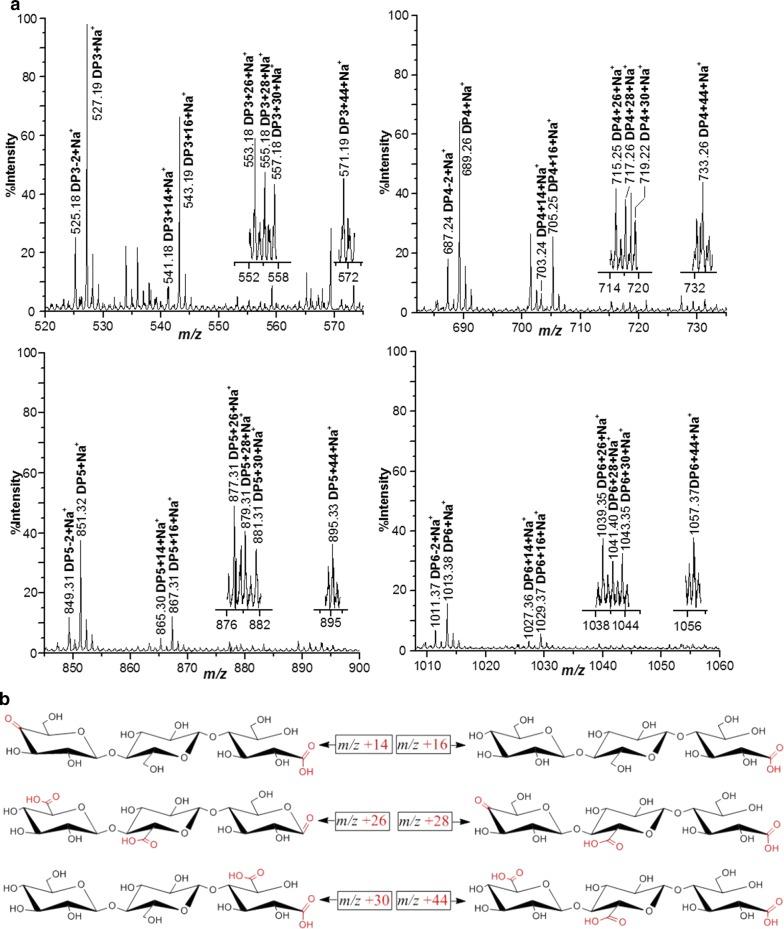
Polysaccharide monooxygenases (PMOs) play an important role in the enzymatic degradation of cellulose. They have been demonstrated to able to C6-oxidize cellulose to produce C6-hexodialdoses. However, the biological function of C6 oxidation of PMOs remains unknown. In particular, it is unclear whether C6-hexodialdoses can be further oxidized to uronic acid (glucuronic acid-containing oligosaccharides).
RESULTS
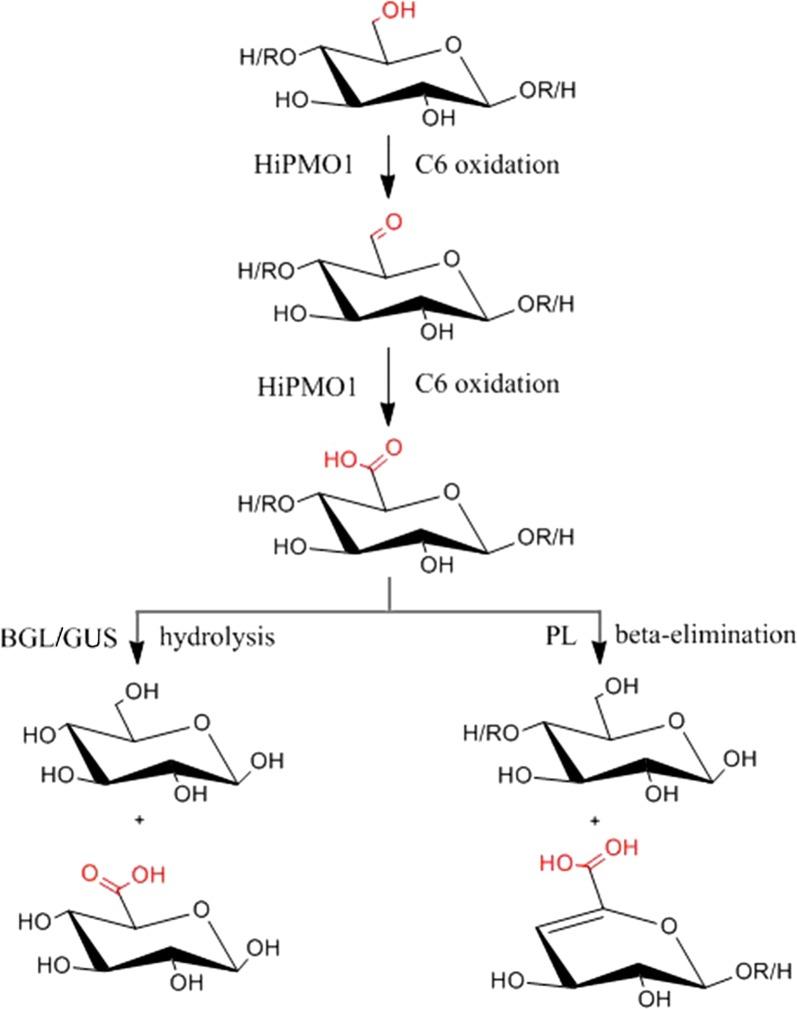
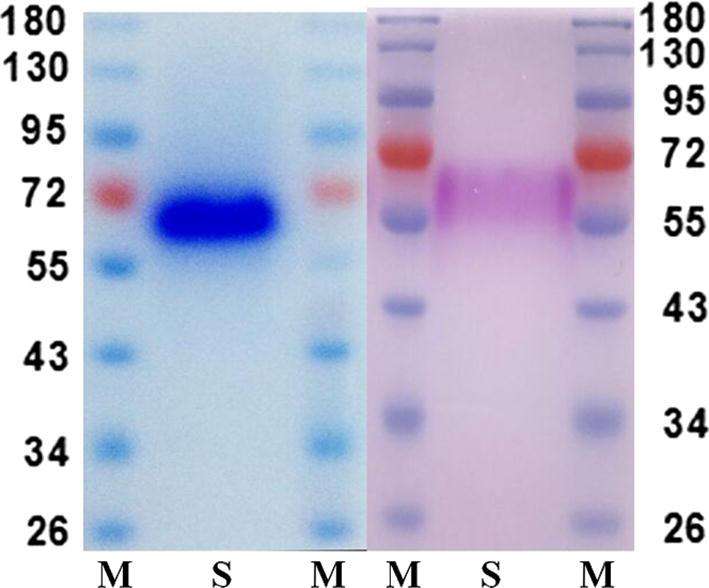
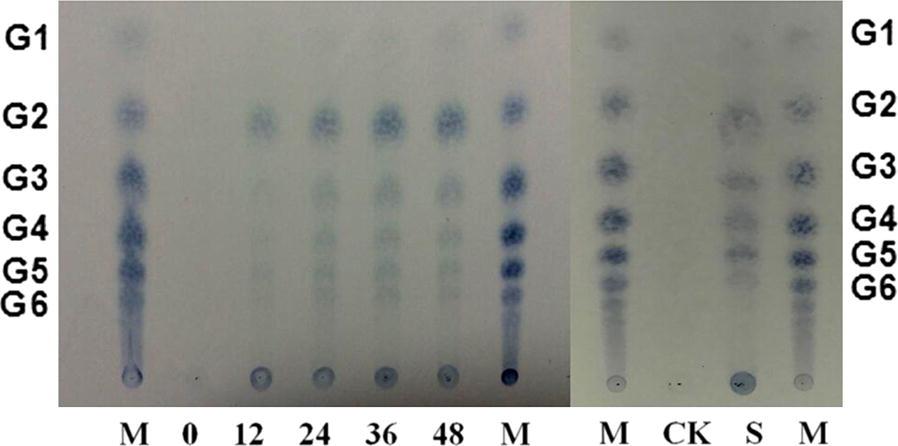
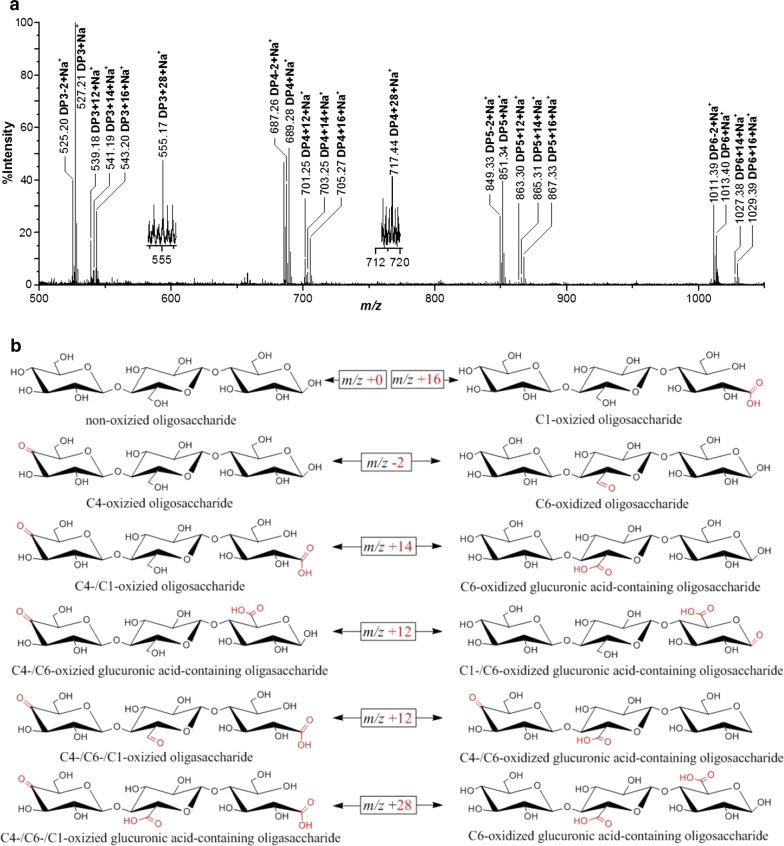
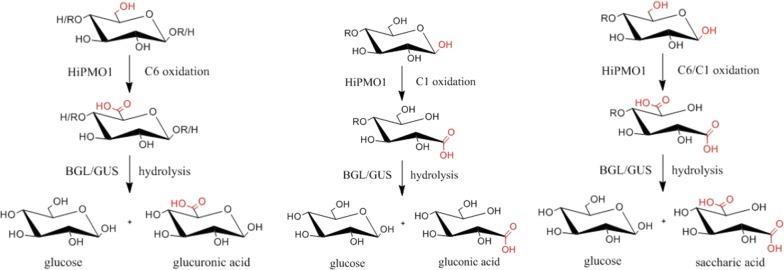
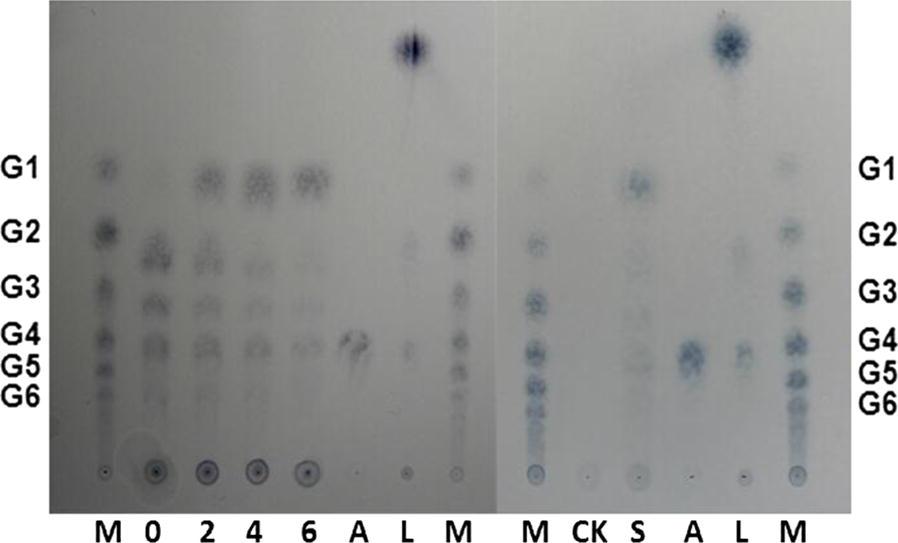
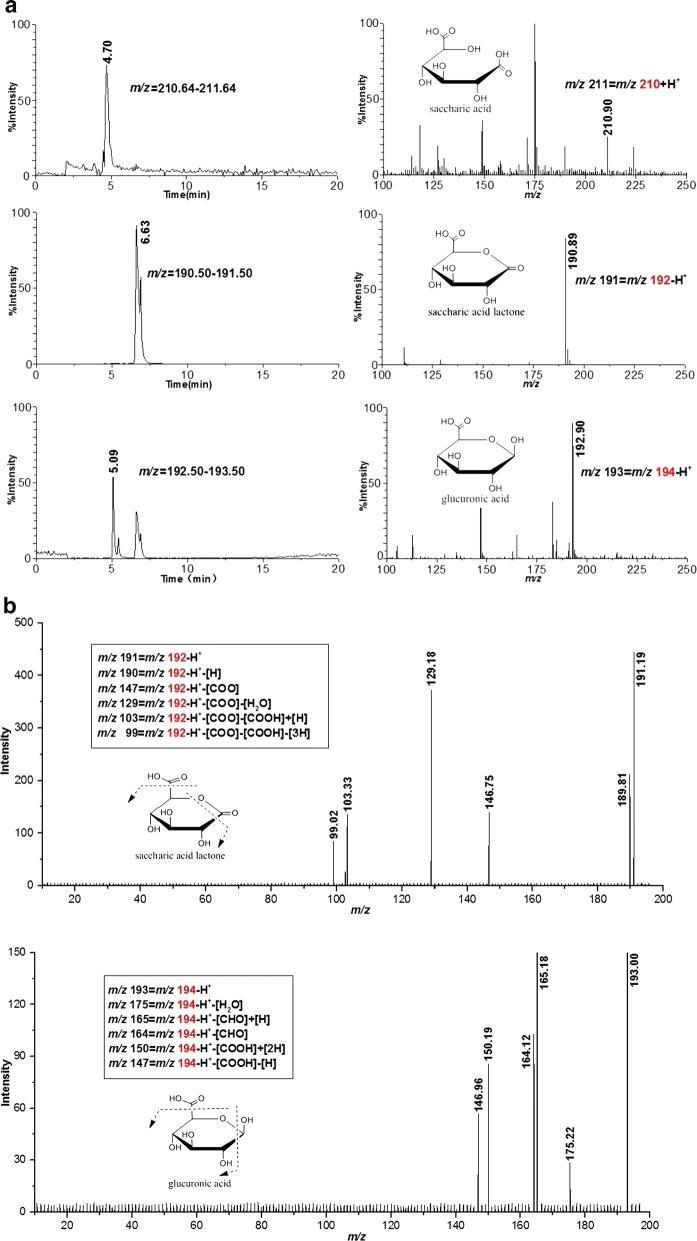
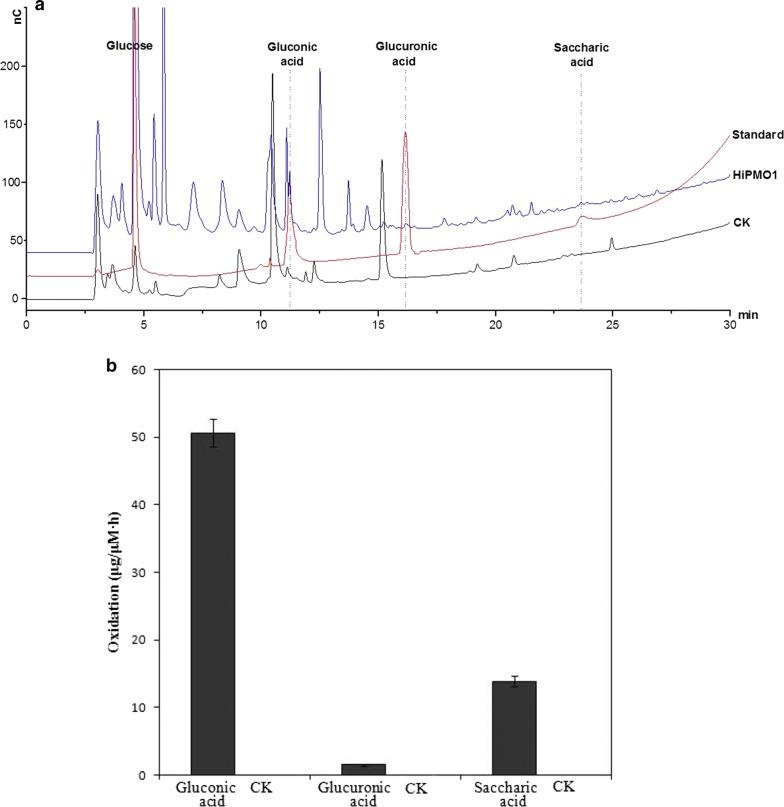
A PMO gene, , was isolated from and expressed in . This PMO (HiPMO1), belonging to the auxiliary activity 9 (AA9) family, was shown to able to cleave cellulose to yield non-oxidized and oxidized cello-oligosaccharides. The enzyme oxidizes C6 positions in cellulose to form glucuronic acid-containing cello-oligosaccharides, followed by hydrolysis with beta-glucosidase and beta-glucuronidase to yield glucose, glucuronic acid, and saccharic acid. This indicates that HiPMO1 can catalyze C6 oxidation of hydroxyl groups of cellulose to carboxylic groups.
CONCLUSIONS
HiPMO1 oxidizes C6 of cellulose to form glucuronic acid-containing cello-oligosaccharides followed by hydrolysis with beta-glucosidase and beta-glucuronidase to yield glucose, glucuronic acid, and saccharic acid, and even possibly by beta-eliminative cleavage to produce unsaturated cello-oligosaccharides. This study provides a new mechanism for cellulose cleavage by C6 oxidation of HiPMO1.
背景
多糖单加氧酶(PMOs)在纤维素的酶促降解中起重要作用。它们已被证明能够对纤维素进行C6氧化以产生C6 - 己二醛糖。然而,PMOs的C6氧化的生物学功能仍然未知。特别是,尚不清楚C6 - 己二醛糖是否可以进一步氧化为糖醛酸(含葡萄糖醛酸的寡糖)。
结果
从[具体来源]中分离出一个PMO基因,并在[具体宿主]中表达。这种属于辅助活性9(AA9)家族的PMO(HiPMO1)能够切割纤维素以产生未氧化和氧化的纤维寡糖。该酶氧化纤维素中的C6位以形成含葡萄糖醛酸的纤维寡糖,随后用β - 葡萄糖苷酶和β - 葡萄糖醛酸酶水解以产生葡萄糖、葡萄糖醛酸和糖二酸。这表明HiPMO1可以催化纤维素羟基的C6氧化为羧基。
结论
HiPMO1氧化纤维素的C6以形成含葡萄糖醛酸的纤维寡糖,随后用β - 葡萄糖苷酶和β - 葡萄糖醛酸酶水解以产生葡萄糖、葡萄糖醛酸和糖二酸,甚至可能通过β - 消除裂解产生不饱和纤维寡糖。本研究为HiPMO1通过C6氧化裂解纤维素提供了一种新机制。
 Zotero 插件