
肝癌的可疑之处:肝细胞癌的斑马鱼模型。
There Is Something Fishy About Liver Cancer: Zebrafish Models of Hepatocellular Carcinoma.
机构信息
Division of Genetics, Brigham and Women's Hospital, Harvard Medical School, Boston, Massachusetts.
Division of Genetics, Brigham and Women's Hospital, Harvard Medical School, Boston, Massachusetts; Harvard Stem Cell Institute, Cambridge, Massachusetts; Dana-Farber Cancer Institute, Harvard Medical School, Boston, Massachusetts; Broad Institute, Massachusetts Institute of Technology and Harvard, Cambridge, Massachusetts; Division of Health Sciences and Technology, Harvard and Massachusetts Institute of Technology, Boston, Massachusetts; Division of Gastroenterology, Massachusetts General Hospital, Harvard Medical School, Boston, Massachusetts.
出版信息
Cell Mol Gastroenterol Hepatol. 2019;8(3):347-363. doi: 10.1016/j.jcmgh.2019.05.002. Epub 2019 May 18.
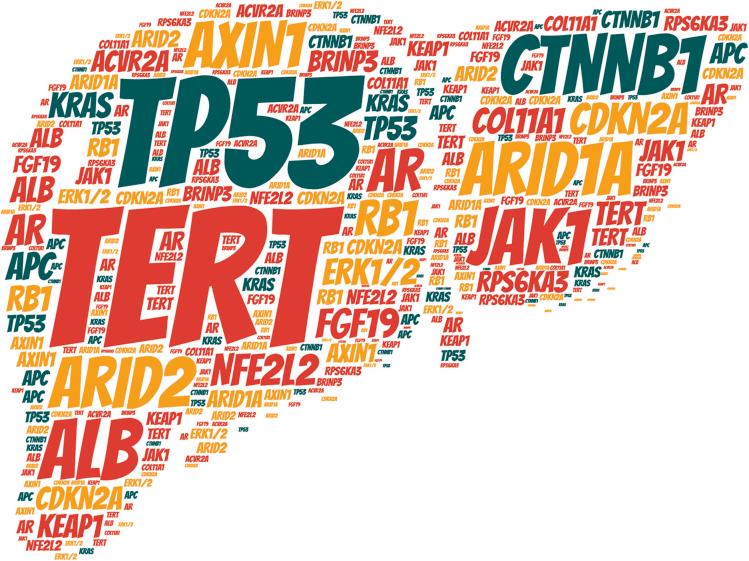
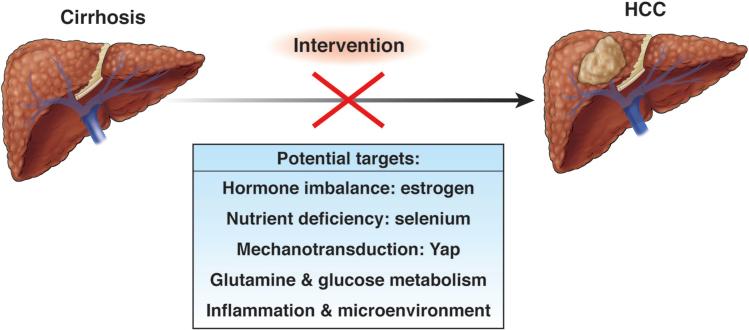
The incidence of hepatocellular carcinoma (HCC) and the mortality resulting from HCC are both increasing. Most patients with HCC are diagnosed at advanced stages when curative treatments are impossible. Current drug therapy extends mean overall survival by only a short period of time. Genetic mutations associated with HCC vary widely. Therefore, transgenic and mutant animal models are needed to investigate the molecular effects of specific mutations, classify them as drivers or passengers, and develop targeted treatments. Cirrhosis, however, is the premalignant state common to 90% of HCC patients. Currently, no specific therapies are available to halt or reverse the progression of cirrhosis to HCC. Understanding the genetic drivers of HCC as well as the biochemical, mechanical, hormonal, and metabolic changes associated with cirrhosis could lead to novel treatments and cancer prevention strategies. Although additional therapies recently received Food and Drug Administration approval, significant clinical breakthroughs have not emerged since the introduction of the multikinase inhibitor sorafenib, necessitating alternate research strategies. Zebrafish (Danio rerio) are effective for disease modeling because of their high degree of gene and organ architecture conservation with human beings, ease of transgenesis and mutagenesis, high fecundity, and low housing cost. Here, we review zebrafish models of HCC and identify areas on which to focus future research efforts to maximize the advantages of the zebrafish model system.
肝细胞癌(HCC)的发病率和由此导致的死亡率都在上升。大多数 HCC 患者在无法进行根治性治疗的晚期被诊断出来。目前的药物治疗只能使总生存期延长很短的一段时间。与 HCC 相关的基因突变差异很大。因此,需要转基因和突变动物模型来研究特定突变的分子效应,将它们分类为驱动突变或乘客突变,并开发靶向治疗方法。然而,肝硬化是 90% HCC 患者的癌前状态。目前,尚无特定的疗法可以阻止或逆转肝硬化向 HCC 的进展。了解 HCC 的遗传驱动因素以及与肝硬化相关的生化、机械、激素和代谢变化,可能会为新的治疗方法和癌症预防策略提供依据。尽管最近有其他疗法获得了美国食品和药物管理局的批准,但自从多激酶抑制剂索拉非尼问世以来,并没有出现重大的临床突破,这需要研究策略的改变。斑马鱼(Danio rerio)由于与人类具有高度的基因和器官结构保守性、易于进行转基因和诱变、高繁殖力和低饲养成本,非常适合用于疾病建模。在这里,我们综述了 HCC 的斑马鱼模型,并确定了未来研究工作的重点领域,以最大限度地发挥斑马鱼模型系统的优势。



 Zotero 插件