
线粒体DNA拷贝数提高了左额极血流动力学反应作为区分双相情感障碍和重度抑郁症诊断标志物的潜力。
Mitochondrial DNA Copy Number Raises the Potential of Left Frontopolar Hemodynamic Response as a Diagnostic Marker for Distinguishing Bipolar Disorder From Major Depressive Disorder.
作者信息
Tsujii Noa, Otsuka Ikuo, Okazaki Satoshi, Yanagi Masaya, Numata Shusuke, Yamaki Naruhisa, Kawakubo Yoshihiro, Shirakawa Osamu, Hishimoto Akitoyo
机构信息
Department of Neuropsychiatry, Kindai University Faculty of Medicine, Osaka-sayama, Japan.
Department of Psychiatry, Kobe University Graduate School of Medicine, Kobe, Japan.
出版信息
Front Psychiatry. 2019 May 8;10:312. doi: 10.3389/fpsyt.2019.00312. eCollection 2019.
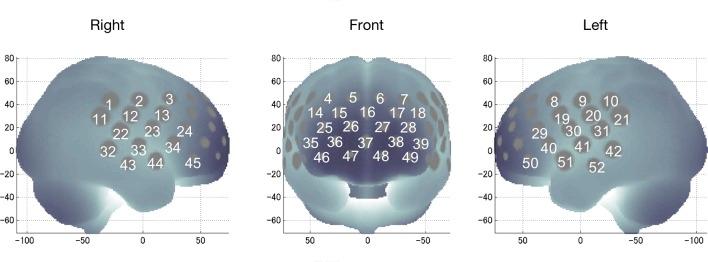
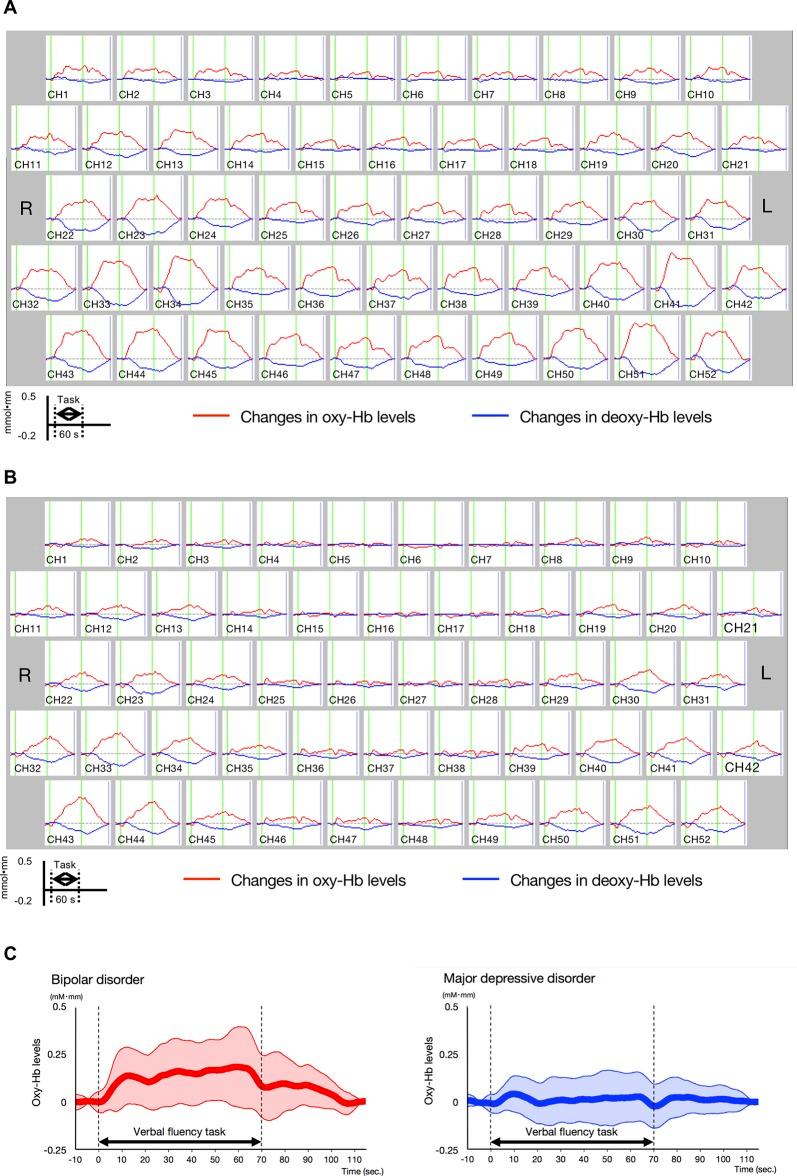
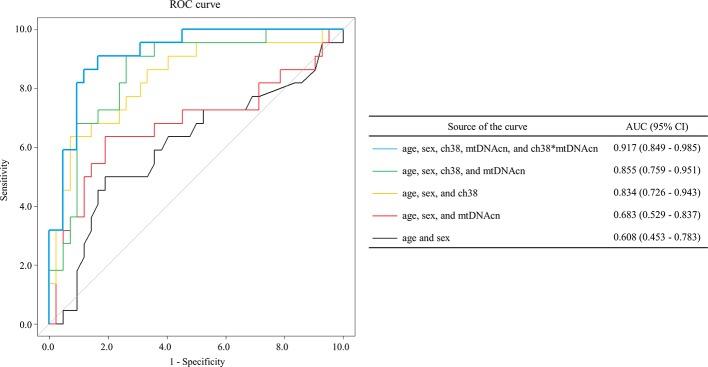
Given a lack of markers, diagnoses of bipolar disorder (BD) and major depressive disorder (MDD) rely on clinical assessment of symptoms. However, the depressive mood states of BD and depressive symptoms of MDD are often difficult to distinguish, which leads to misdiagnoses, which in turn leads to inadequate treatment. Previous studies have shown that the hemodynamic responses of the left frontopolar cortex measured by near-infrared spectroscopy (NIRS) differ between BD and MDD; these hemodynamic responses are associated with altered mitochondrial metabolism; and mitochondrial DNA copy number (mtDNAcn), an index of mitochondrial dysfunction, tends to decrease in BD and increase in MDD patients. In this study, we confirmed that mtDNAcn trends in opposite directions in BD and MDD. We then determined whether mtDNAcn could enhance the utility of NIRS as a diagnostic marker to distinguish between BD and MDD. We determined mtDNAcn in peripheral blood samples from 58 healthy controls, 79 patients with BD, and 44 patients with MDD. Regional hemodynamic responses during a verbal fluency task (VFT) in 24 BD patients and 44 MDD patients, matched by age and depression severity, were monitored using NIRS. Measurements of mtDNAcn were lower in BD patients and higher in MDD patients than in controls. The left frontopolar region exhibited the most significant differences in mean VFT-related oxy-Hb changes between the BD and MDD groups. Multivariate logistic regression analysis with variables including age, sex, hemodynamic response of the left frontopolar region, and mtDNAcn showed high accuracy for distinguishing BD from MDD (area under the curve = 0.917; 95% confidence interval = 0.849-0.985). For the BD group, we observed a positive correlation between hemodynamic responses in the left frontopolar region and mtDNAcn, while for the MDD group, we observed a negative correlation. Our findings suggest that the association between hemodynamic response and mitochondrial dysfunction in BD or MDD plays an important role in differentiating the pathophysiological mechanisms of BD from those of MDD.
由于缺乏标志物,双相情感障碍(BD)和重度抑郁症(MDD)的诊断依赖于症状的临床评估。然而,BD的抑郁情绪状态和MDD的抑郁症状往往难以区分,这导致误诊,进而导致治疗不足。先前的研究表明,通过近红外光谱(NIRS)测量的左额极皮质的血流动力学反应在BD和MDD之间存在差异;这些血流动力学反应与线粒体代谢改变有关;线粒体DNA拷贝数(mtDNAcn)作为线粒体功能障碍的一个指标,在BD患者中往往降低,而在MDD患者中往往升高。在本研究中,我们证实了mtDNAcn在BD和MDD中呈相反趋势。然后,我们确定mtDNAcn是否可以增强NIRS作为区分BD和MDD的诊断标志物的效用。我们测定了58名健康对照者、79名BD患者和44名MDD患者外周血样本中的mtDNAcn。使用NIRS监测了24名BD患者和44名MDD患者在言语流畅性任务(VFT)期间的区域血流动力学反应,这些患者在年龄和抑郁严重程度上相匹配。BD患者的mtDNAcn测量值低于对照组,MDD患者的mtDNAcn测量值高于对照组。BD组和MDD组之间,左额极区域在平均VFT相关氧合血红蛋白变化方面表现出最显著的差异。对包括年龄、性别、左额极区域的血流动力学反应和mtDNAcn在内的变量进行多变量逻辑回归分析,结果显示区分BD和MDD的准确性很高(曲线下面积 = 0.917;95%置信区间 = 0.849 - 0.985)。对于BD组,我们观察到左额极区域的血流动力学反应与mtDNAcn之间存在正相关,而对于MDD组,我们观察到负相关。我们的研究结果表明,BD或MDD中血流动力学反应与线粒体功能障碍之间的关联在区分BD和MDD的病理生理机制中起着重要作用。


 Zotero 插件