
融合肉瘤通过抑制 AFF4 基因激活来沉默 HIV 基因转录并维持病毒潜伏期。
Fused in sarcoma silences HIV gene transcription and maintains viral latency through suppressing AFF4 gene activation.
机构信息
The Shraga Segal Department of Microbiology Immunology and Genetics, Faculty of Health Sciences, Ben-Gurion University of the Negev, 84105, Beer Sheva, Israel.
Department of Chemistry and Biochemistry, University of Arizona, Tucson, AZ, USA.
出版信息
Retrovirology. 2019 Jun 25;16(1):16. doi: 10.1186/s12977-019-0478-x.
BACKGROUND
The human immunodeficiency virus (HIV) cell reservoir is currently a main obstacle towards complete eradication of the virus. This infected pool is refractory to anti-viral therapy and harbors integrated proviruses that are transcriptionally repressed but replication competent. As transcription silencing is key for establishing the HIV reservoir, significant efforts have been made to understand the mechanism that regulate HIV gene transcription, and the role of the elongation machinery in promoting this step. However, while the role of the super elongation complex (SEC) in enhancing transcription activation of HIV is well established, the function of SEC in modulating viral latency is less defined and its cell partners are yet to be identified.
RESULTS
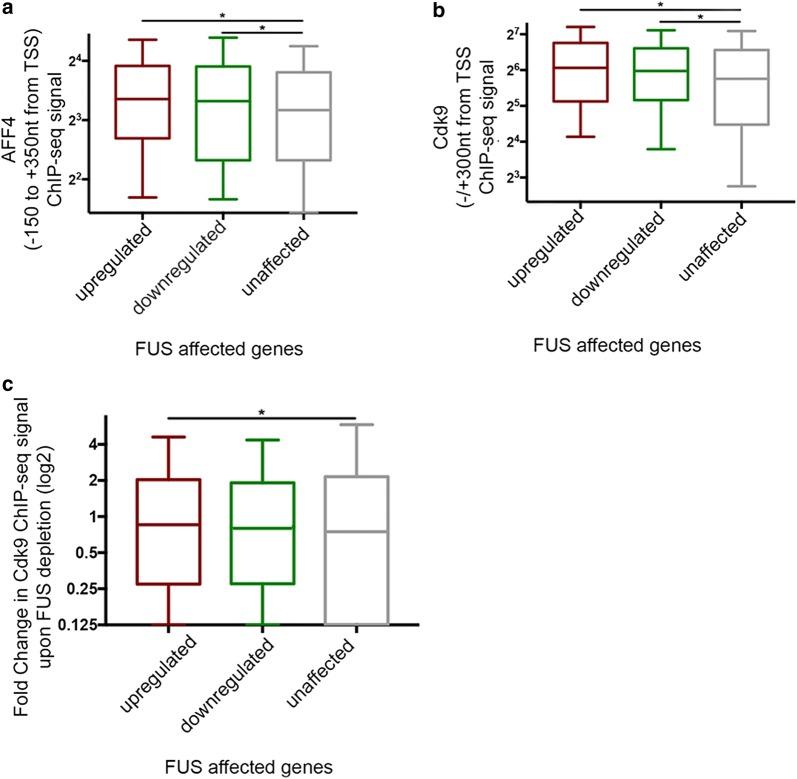
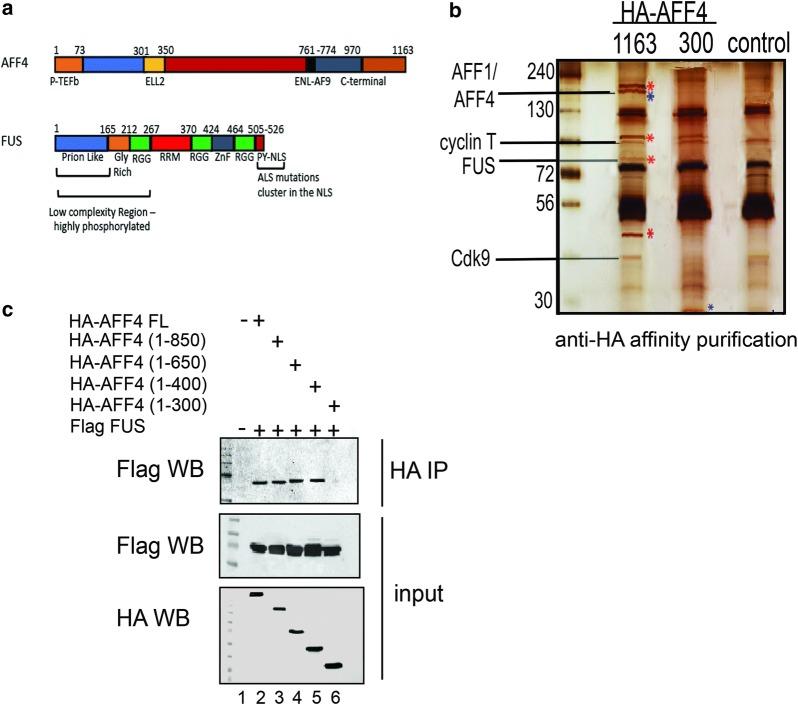
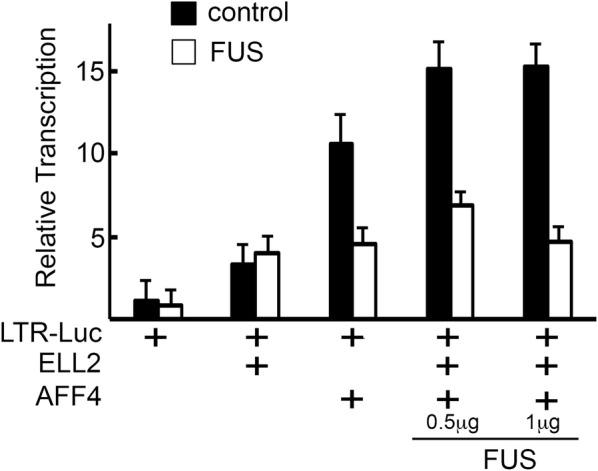
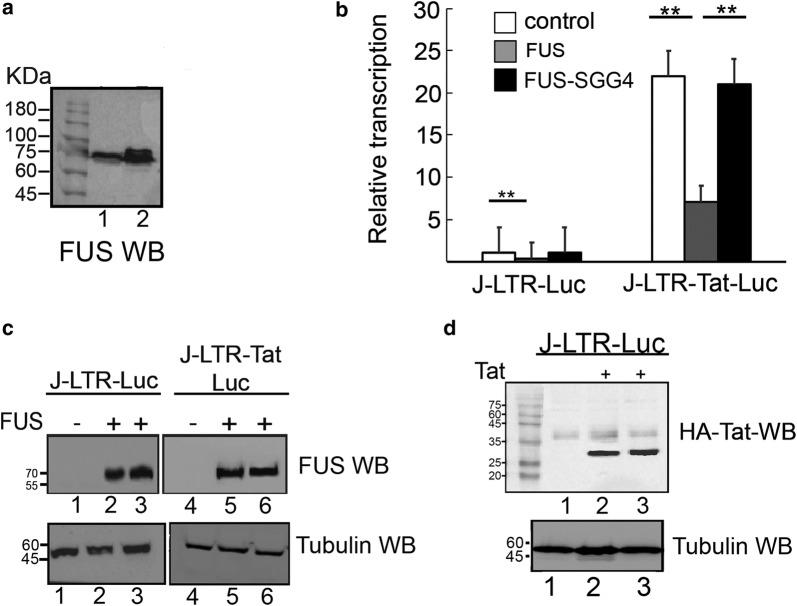
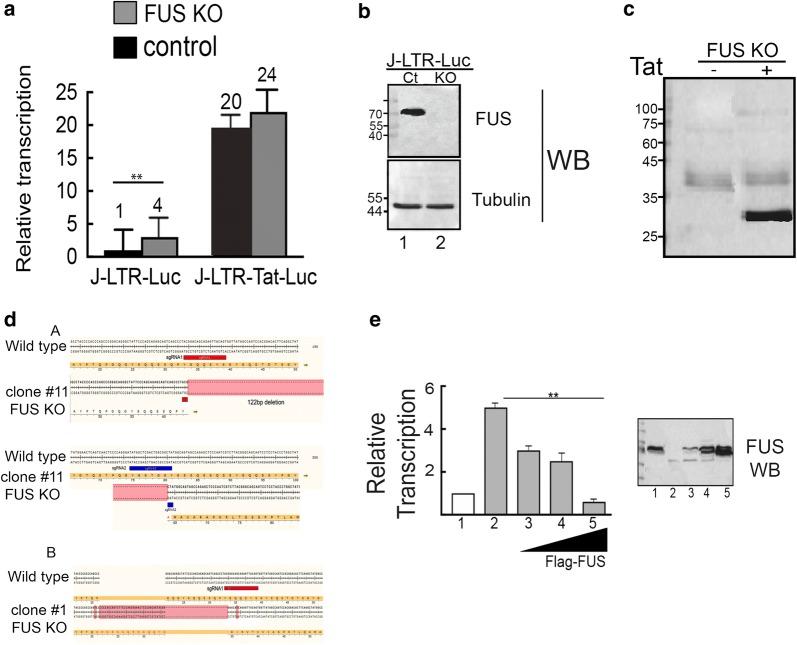
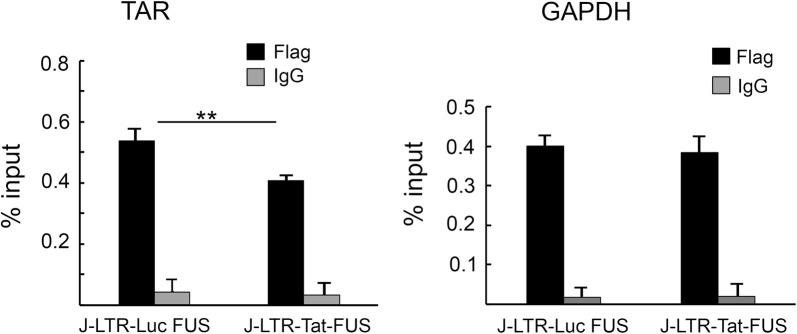
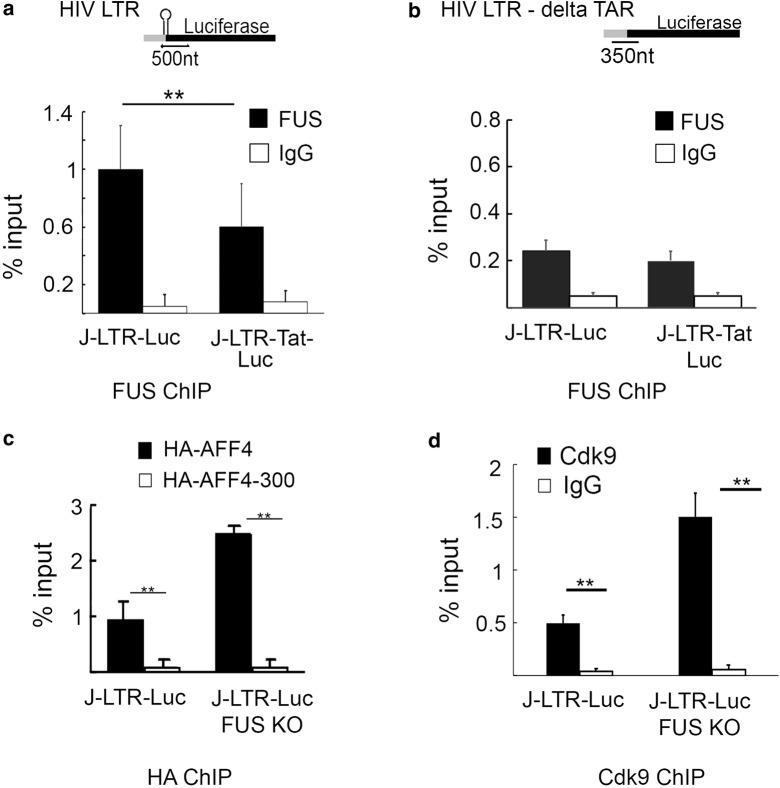
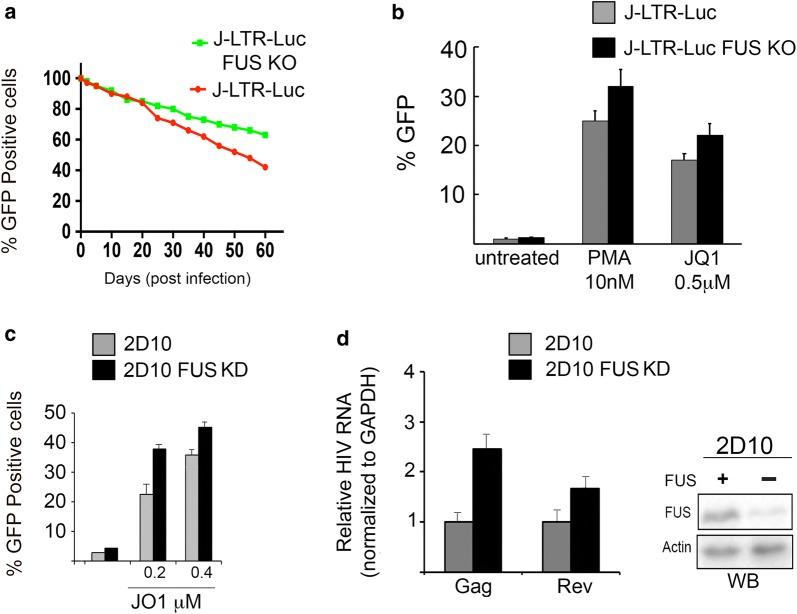
In this study we identify fused in sarcoma (FUS) as a partner of AFF4 in cells. FUS inhibits the activation of HIV transcription by AFF4 and ELL2, and silences overall HIV gene transcription. Concordantly, depletion of FUS elevates the occupancy of AFF4 and Cdk9 on the viral promoter and activates HIV gene transcription. Live cell imaging demonstrates that FUS co-localizes with AFF4 within nuclear punctuated condensates, which are disrupted upon treating cells with aliphatic alcohol. In HIV infected cells, knockout of FUS delays the gradual entry of HIV into latency, and similarly promotes viral activation in a T cell latency model that is treated with JQ1. Finally, effects of FUS on HIV gene transcription are also exhibited genome wide, where FUS mainly occupies gene promoters at transcription starting sites, while its knockdown leads to an increase in AFF4 and Cdk9 occupancy on gene promoters of FUS affected genes.
CONCLUSIONS
Towards eliminating the HIV infected reservoir, understanding the mechanisms by which the virus persists in the face of therapy is important. Our observations show that FUS regulates both HIV and global gene transcription and modulates viral latency, thus can potentially serve as a target for future therapy that sets to reactivate HIV from its latent state.
背景
人类免疫缺陷病毒(HIV)细胞储库目前是彻底消灭该病毒的主要障碍。这个受感染的池对抗病毒治疗有抵抗力,并且含有转录受抑制但复制有能力的整合前病毒。由于转录沉默是建立 HIV 储库的关键,因此人们做出了巨大努力来理解调节 HIV 基因转录的机制,以及延伸机制在促进这一步骤中的作用。然而,虽然超级延伸复合物(SEC)在增强 HIV 转录激活中的作用已得到充分证实,但 SEC 在调节病毒潜伏期中的作用定义较少,其细胞伙伴尚未确定。
结果
在这项研究中,我们确定融合肉瘤(FUS)为 AFF4 在细胞中的伙伴。FUS 抑制 AFF4 和 ELL2 对 HIV 转录的激活,并沉默整体 HIV 基因转录。一致地,FUS 的耗竭会增加 AFF4 和 Cdk9 在病毒启动子上的占有率,并激活 HIV 基因转录。活细胞成像表明,FUS 在核点状凝聚物中与 AFF4 共定位,在用脂肪醇处理细胞后,这些凝聚物会被破坏。在 HIV 感染的细胞中,FUS 的敲除会延迟 HIV 逐渐进入潜伏期,并在使用 JQ1 处理的 T 细胞潜伏期模型中同样促进病毒激活。最后,FUS 对 HIV 基因转录的影响也在全基因组上表现出来,其中 FUS 主要占据转录起始位点处的基因启动子,而其敲低会导致受 FUS 影响基因的基因启动子上 AFF4 和 Cdk9 占有率增加。
结论
为了消除 HIV 感染的储库,了解病毒在治疗面前持续存在的机制非常重要。我们的观察表明,FUS 调节 HIV 和全基因组基因转录,并调节病毒潜伏期,因此它有可能成为未来旨在将 HIV 从潜伏状态重新激活的治疗靶点。

 Zotero 插件