
用于宏基因组研究的阴道拭子中微生物 DNA 提取方法的评估。
Evaluation of Methods for the Extraction of Microbial DNA From Vaginal Swabs Used for Microbiome Studies.
机构信息
Research Branch, Sidra Medicine, Doha, Qatar.
出版信息
Front Cell Infect Microbiol. 2019 Jun 6;9:197. doi: 10.3389/fcimb.2019.00197. eCollection 2019.
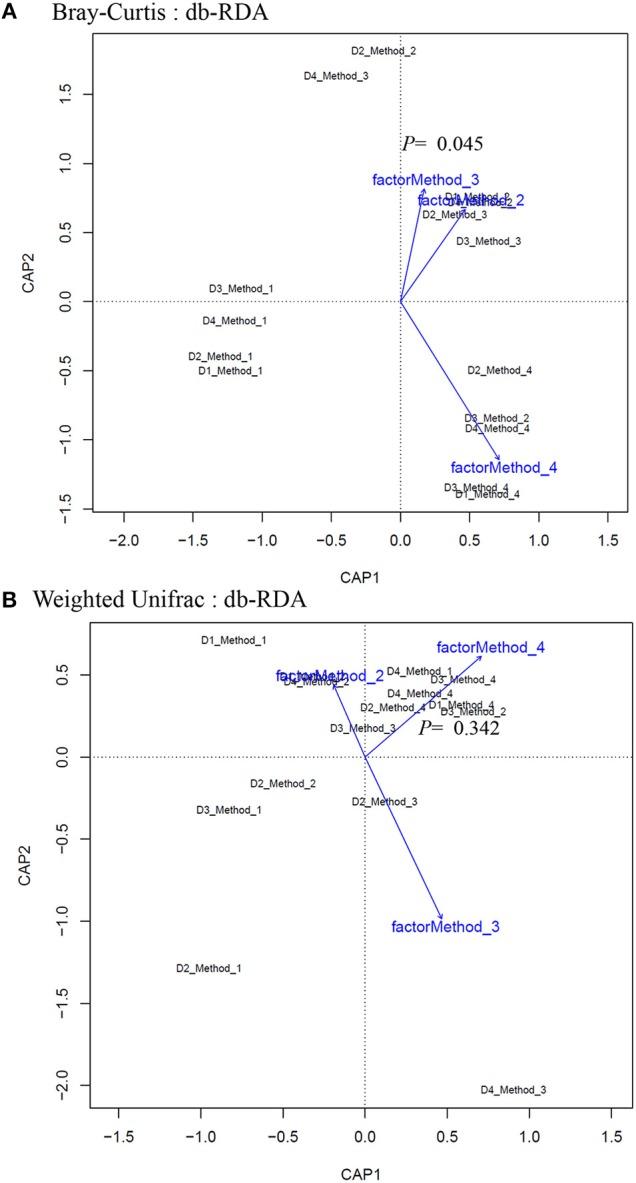
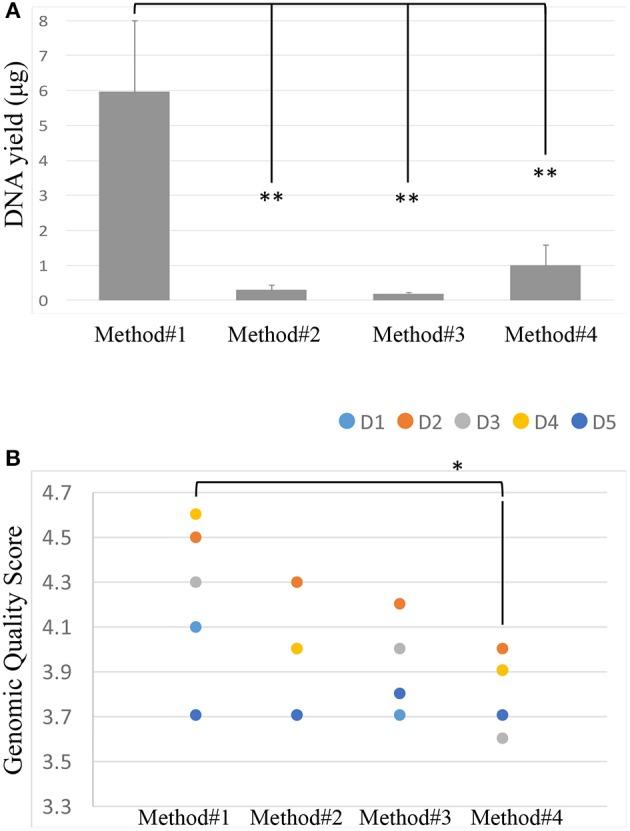
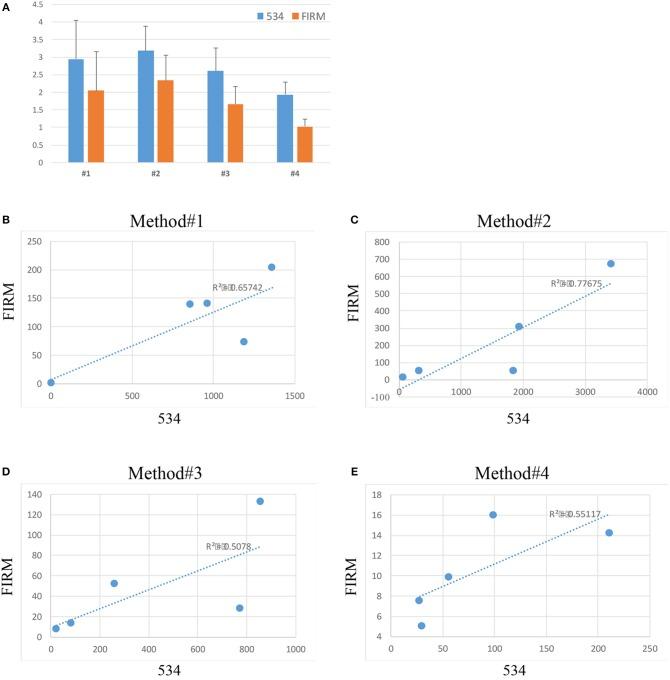
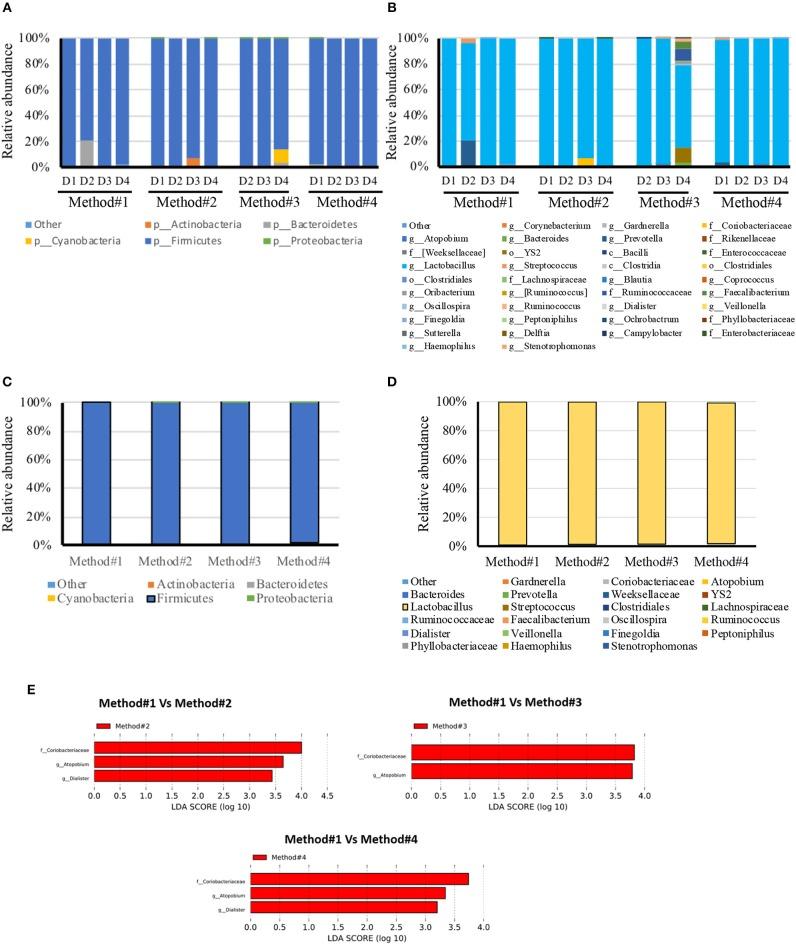
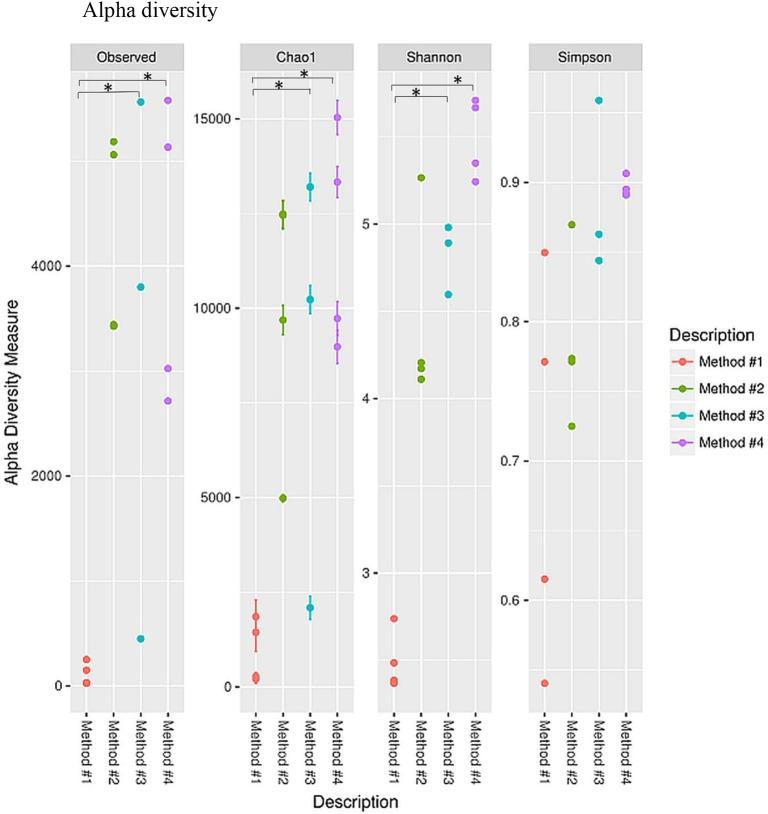
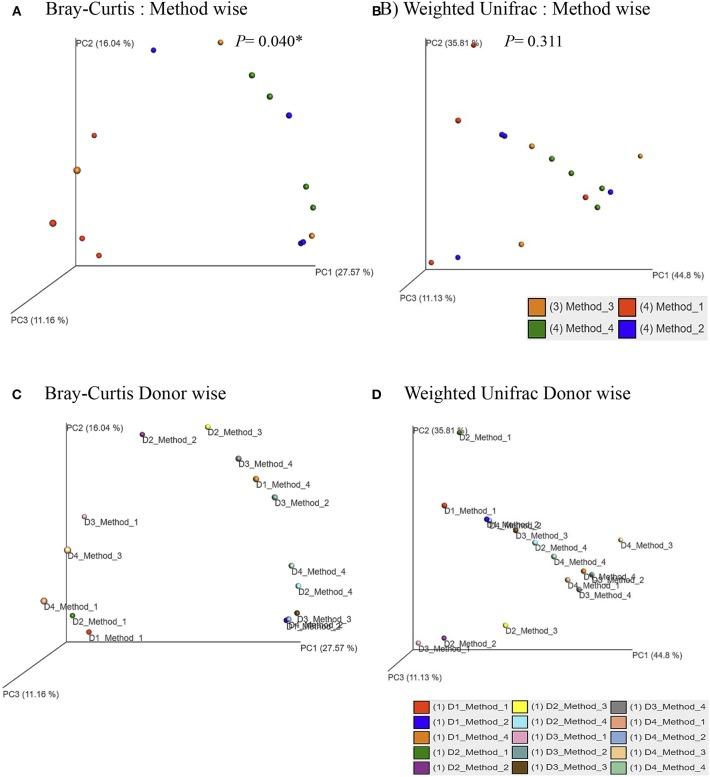
The composition of the microbiome in human body sites plays an important role in health. The vaginal environment is colonized by several species of bacteria that have a major influence on reproductive health. The advancement of sequencing technologies has made the assessment of the composition of the microbiota possible through microbial DNA extraction and sequencing. Therefore, it is of a paramount importance to select a sensitive and reproducible DNA extraction method, that facilitates isolation of microbial DNA with a sufficient quantity and purity, from microbial species living in the vaginal environment. Here, we have evaluated four different DNA extraction protocols from self-collected vaginal swabs. Five healthy female volunteers were enrolled in the study. Each donor was asked to self-collect 4 samples using Copan ESwab. DNA was extracted using Qiagen DNeasy kit and three modified protocols of the MoBio PowerSoil kit ("DNeasy PowerSoil" after acquisition from Qiagen). DNA quantity and integrity was checked through Nanodrop and LabChip GX. DNA was further tested through quantitative real-time PCR (qPCR) and 16S sequencing. Vaginal microbiota diversities were determined using MiSeq-Illumina high-throughput sequencing of bacterial 16S rDNA V1-V3 fingerprint. Sequencing data were analyzed using QIIME pipeline. Qiagen DNeasy protocol resulted in the highest DNA yield as compared to the modified protocols of MoBio Powersoil kit. The size of the DNA extracted using each protocol was ~40 kb. Qiagen DNeasy protocol gave the highest Genomic Quality Score (average ± standard deviation: 4.24 ± 0.36), followed by the different MoBio Powersoil protocols. A substantial variability in microbial DNA abundance was found across the protocols. The vaginal microbiota of the healthy volunteers was dominated by . MoBio Powersoil kit provided a significantly higher alpha diversity as compared to the Qiagen DNeasy kit, while beta diversity measures did not reveal any significant cluster changes, except when the Bray-Curtis method was applied. We were able to isolate microbial DNA from the vaginal swabs. Qiagen DNeasy method gave the highest DNA yield and quality but was not optimal in detecting microbial diversity. The modified MoBio PowerSoil protocols showed higher microbial diversities as compared to the standard protocol.
人体部位的微生物组组成在健康中起着重要作用。阴道环境被几种细菌定植,这些细菌对生殖健康有重大影响。测序技术的进步使得通过微生物 DNA 提取和测序来评估微生物群落的组成成为可能。因此,选择一种敏感且可重复的 DNA 提取方法至关重要,该方法能够从生活在阴道环境中的微生物物种中分离出足够数量和纯度的微生物 DNA。在这里,我们评估了从自我采集的阴道拭子中提取 DNA 的四种不同方法。 研究招募了 5 名健康的女性志愿者。每位捐赠者都被要求使用 Copan ESwab 自我采集 4 个样本。使用 Qiagen DNeasy 试剂盒和 MoBio PowerSoil 试剂盒的三种改良方案(从 Qiagen 获得后称为“DNeasy PowerSoil”)提取 DNA。通过 Nanodrop 和 LabChip GX 检查 DNA 数量和完整性。通过定量实时 PCR(qPCR)和 16S 测序进一步测试 DNA。使用 MiSeq-Illumina 高通量测序对细菌 16S rDNA V1-V3 指纹进行阴道微生物组多样性测定。使用 QIIME 管道分析测序数据。 与 MoBio Powersoil 试剂盒的改良方案相比,Qiagen DNeasy 方案的 DNA 产量最高。每种方案提取的 DNA 大小约为 40kb。Qiagen DNeasy 方案的基因组质量评分最高(平均±标准差:4.24±0.36),其次是不同的 MoBio Powersoil 方案。不同方案之间的微生物 DNA 丰度存在很大差异。健康志愿者的阴道微生物组主要由 主导。MoBio Powersoil 试剂盒与 Qiagen DNeasy 试剂盒相比,提供了显著更高的 alpha 多样性,而 beta 多样性测量值没有显示出任何显著的聚类变化,除了应用 Bray-Curtis 方法时。 我们能够从阴道拭子中分离出微生物 DNA。Qiagen DNeasy 方法的 DNA 产量和质量最高,但在检测微生物多样性方面不是最佳方法。与标准方案相比,改良的 MoBio PowerSoil 方案显示出更高的微生物多样性。

 Zotero 插件