
维甲酸在预防阿尔茨海默病神经炎症和神经退行性变中的潜在治疗作用。
Potential therapeutic roles of retinoids for prevention of neuroinflammation and neurodegeneration in Alzheimer's disease.
作者信息
Das Bhaskar C, Dasgupta Somsankar, Ray Swapan K
机构信息
Department of Medicine, Icahn School of Medicine at Mount Sinai, New York, NY, USA.
Department of Neuroscience and Regenerative Medicine, Institute of Molecular Medicine and Genetics, Augusta University, Augusta, GA, USA.
出版信息
Neural Regen Res. 2019 Nov;14(11):1880-1892. doi: 10.4103/1673-5374.259604.
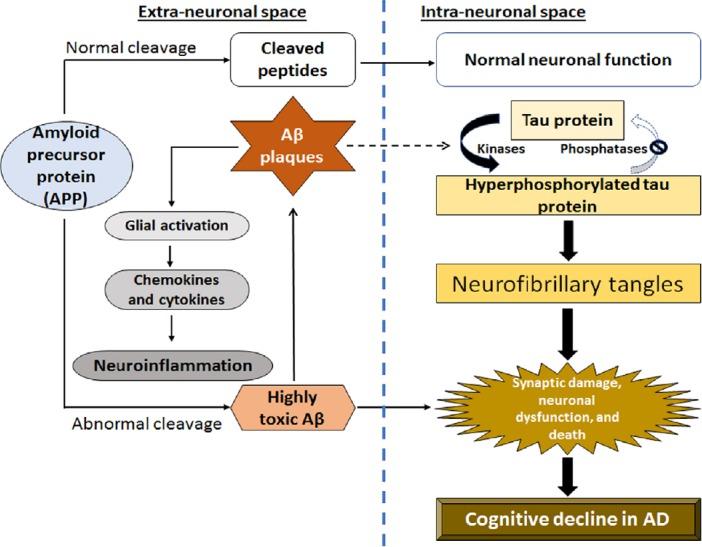
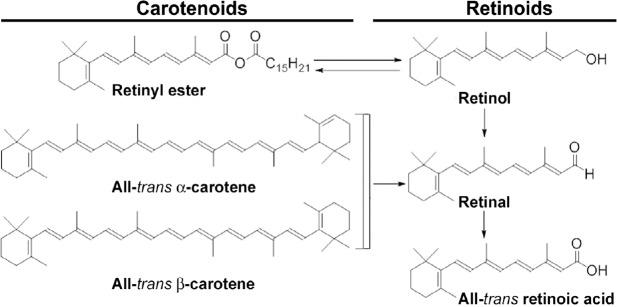
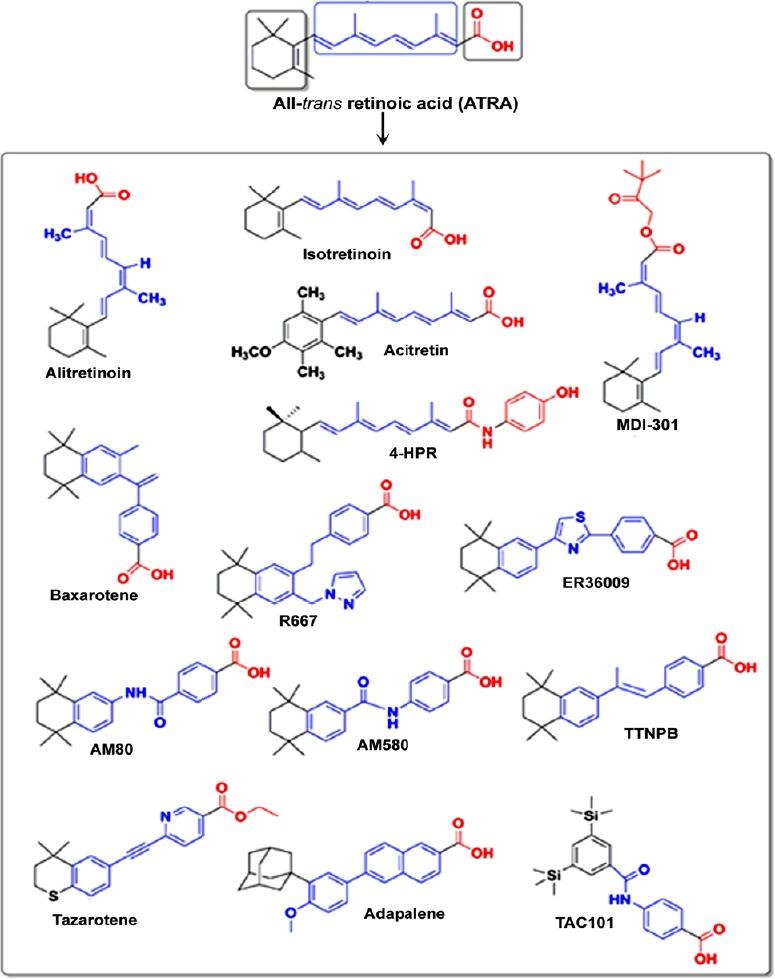
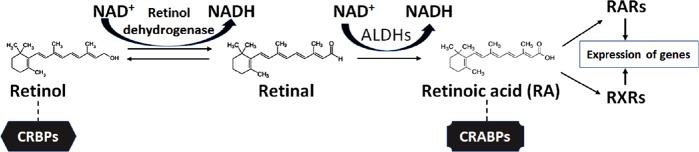
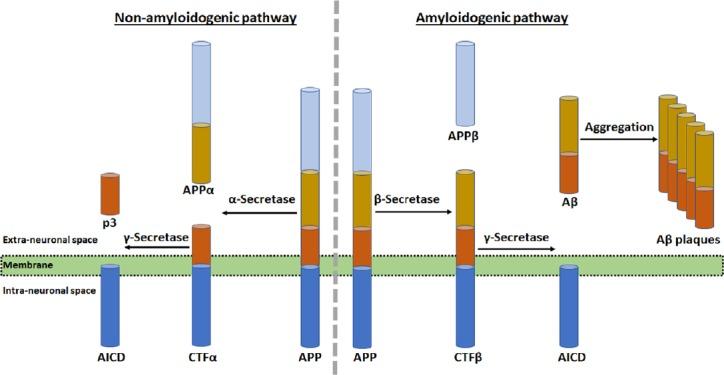
All retinoids, which can be natural and synthetic, are chemically related to vitamin A. Both natural and synthetic retinoids use specific nuclear receptors such as retinoic acid receptors and retinoid X receptors to activate specific signaling pathways in the cells. Retinoic acid signaling is extremely important in the central nervous system. Impairment of retinoic acid signaling pathways causes severe pathological processes in the central nervous system, especially in the adult brain. Retinoids have major roles in neural patterning, differentiation, axon outgrowth in normal development, and function of the brain. Impaired retinoic acid signaling results in neuroinflammation, oxidative stress, mitochondrial malfunction, and neurodegeneration leading to progressive Alzheimer's disease, which is pathologically characterized by extra-neuronal accumulation of amyloid plaques (aggregated amyloid-beta) and intra-neurofibrillary tangles (hyperphosphorylated tau protein) in the temporal lobe of the brain. Alzheimer's disease is the most common cause of dementia and loss of memory in old adults. Inactive cholinergic neurotransmission is responsible for cognitive deficits in Alzheimer's disease patients. Deficiency or deprivation of retinoic acid in mice is associated with loss of spatial learning and memory. Retinoids inhibit expression of chemokines and neuroinflammatory cytokines in microglia and astrocytes, which are activated in Alzheimer's disease. Stimulation of retinoic acid receptors and retinoid X receptors slows down accumulation of amyloids, reduces neurodegeneration, and thereby prevents pathogenesis of Alzheimer's disease in mice. In this review, we described chemistry and biochemistry of some natural and synthetic retinoids and potentials of retinoids for prevention of neuroinflammation and neurodegeneration in Alzheimer's disease.
所有类视黄醇,包括天然的和合成的,在化学结构上都与维生素A相关。天然和合成类视黄醇均通过特定的核受体,如视黄酸受体和类视黄醇X受体,来激活细胞内特定的信号通路。视黄酸信号在中枢神经系统中极其重要。视黄酸信号通路受损会在中枢神经系统,尤其是成人大脑中引发严重的病理过程。类视黄醇在正常发育过程中的神经模式形成、分化、轴突生长以及大脑功能中发挥着重要作用。视黄酸信号受损会导致神经炎症、氧化应激、线粒体功能障碍和神经退行性变,进而引发进行性阿尔茨海默病,其病理特征为大脑颞叶中淀粉样斑块(聚集的β淀粉样蛋白)的细胞外积累和神经原纤维缠结(过度磷酸化的tau蛋白)。阿尔茨海默病是老年人痴呆和记忆丧失的最常见原因。胆碱能神经传递不活跃是阿尔茨海默病患者认知缺陷的原因。小鼠体内视黄酸缺乏或缺失与空间学习和记忆丧失有关。类视黄醇可抑制小胶质细胞和星形胶质细胞中趋化因子和神经炎症细胞因子的表达,而这些细胞在阿尔茨海默病中会被激活。刺激视黄酸受体和类视黄醇X受体可减缓淀粉样蛋白的积累,减少神经退行性变,从而预防小鼠阿尔茨海默病的发病机制。在本综述中,我们描述了一些天然和合成类视黄醇的化学和生物化学性质,以及类视黄醇在预防阿尔茨海默病神经炎症和神经退行性变方面的潜力。
 Zotero 插件