
山奈素通过 NF-B 信号通路抑制人乳腺癌细胞的增殖、迁移和 EMT。
Oroxylin A Suppresses the Cell Proliferation, Migration, and EMT via NF-B Signaling Pathway in Human Breast Cancer Cells.
机构信息
Tianjin Medical University Cancer Institute and Hospital, National Clinical Research Center for Cancer, Tianjin, China.
Key Laboratory of Cancer Prevention and Therapy, Tianjin, China.
出版信息
Biomed Res Int. 2019 Jun 23;2019:9241769. doi: 10.1155/2019/9241769. eCollection 2019.
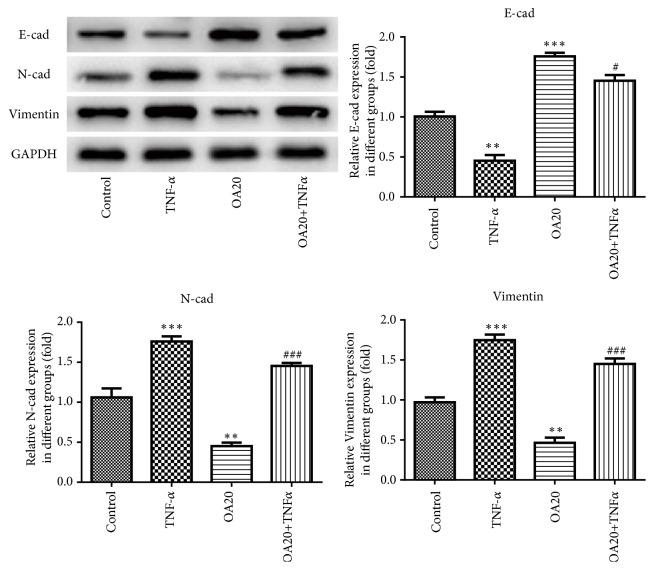
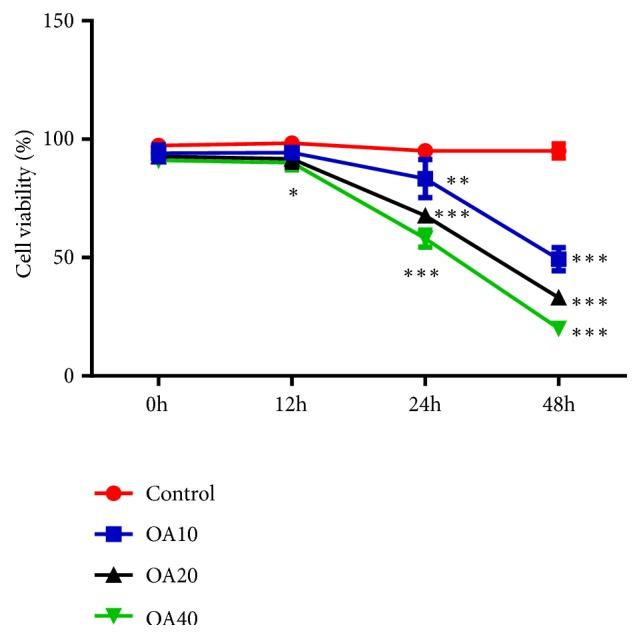
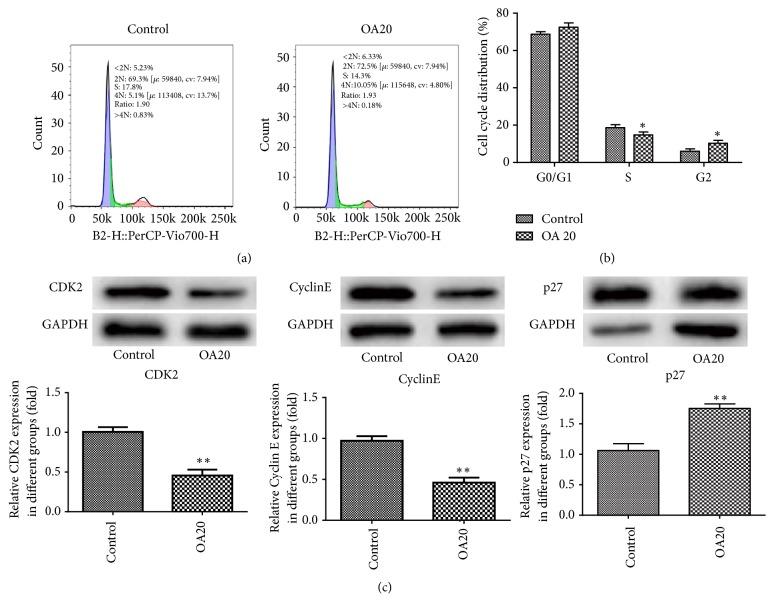
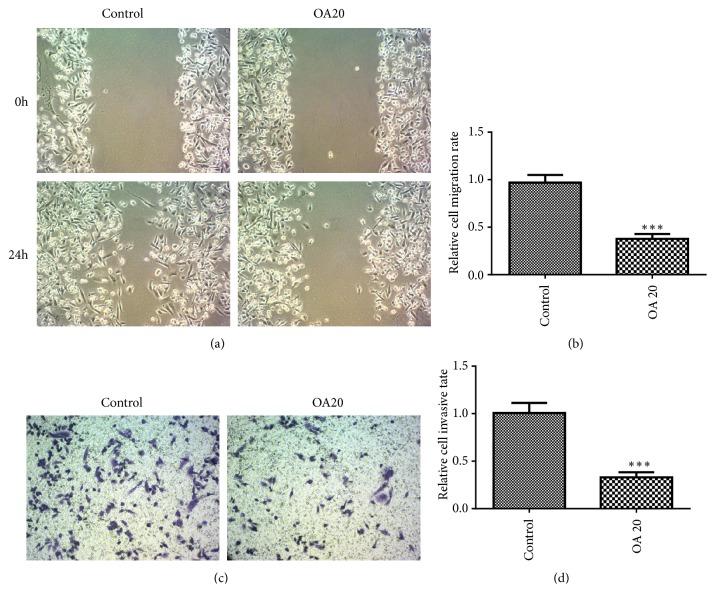
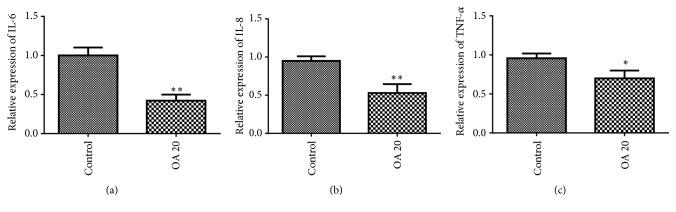
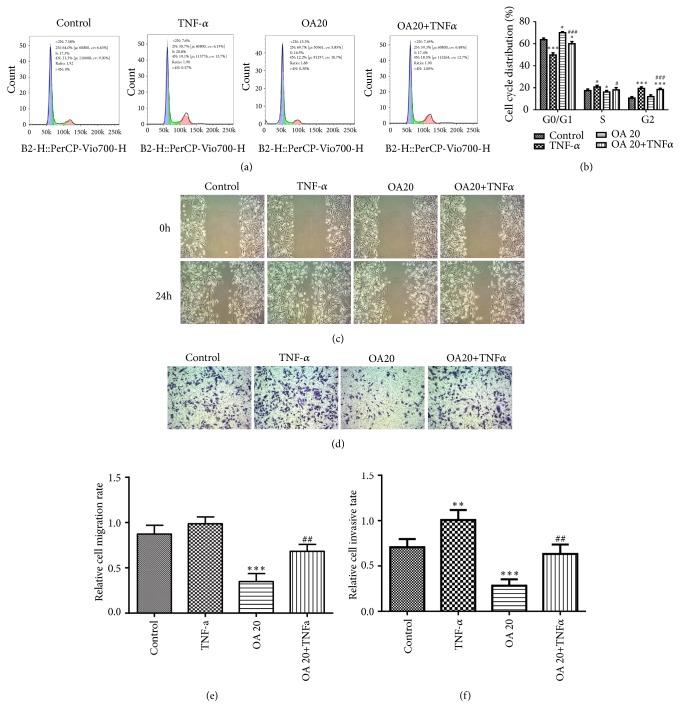
Oroxylin A is a natural extract and has been reported to have a remarkable anticancer function. However, the mechanism of its anticancer activity remains not quite clear. In this study, we examined the inhibiting effects of Oroxylin A on breast cancer cell proliferation, migration, and epithelial-mesenchymal transition (EMT) and its possible molecular mechanism. The cytoactive and inflammatory factors were analyzed via Cell Counting Kit-8 assay and ELISA assay, respectively. Flow cytometry and western blotting were used to assess the cell proliferation. In addition, a wound healing assay and transwell assay were used to detect cell invasion and migration. qRT-PCR and western blot were employed to determine the effect of Oroxylin A on the EMT formation. Moreover, expression level of protein related to NF-B signaling pathway was determined by western blot. The results revealed that Oroxylin A attenuated the cytoactivity of MDA-MB-231 cells in a dose- and a time-dependent manner. Moreover, cell proliferation, invasion, and migration of breast cancer cells were inhibited by Oroxylin A compared to the control. The mRNA and protein expression levels of E-cadherin were remarkably increased while N-cadherin and Vimentin remarkably decreased. Besides, Oroxylin A suppressed the expression of inflammatory factors and NF-B activation. Furthermore, we also found that supplement of TNF- reversed the effects of Oroxylin A on the cell proliferation, invasion, migration, and EMT in breast cancer cells. Taken together, our results suggested that Oroxylin A inhibited the cell proliferation, invasion, migration, and EMT through inactivating NF-B signaling pathway in human breast cancer cells. These findings strongly suggest that Oroxylin A could be a therapeutic potential candidate for the treatment of breast cancer.
盐酸小檗碱 A 是一种天然提取物,已被报道具有显著的抗癌功能。然而,其抗癌活性的机制尚不完全清楚。在这项研究中,我们研究了盐酸小檗碱 A 对乳腺癌细胞增殖、迁移和上皮-间充质转化(EMT)的抑制作用及其可能的分子机制。通过细胞计数试剂盒-8 检测和 ELISA 检测分析细胞活性和炎症因子。采用流式细胞术和 Western blot 检测细胞增殖。此外,还使用划痕愈合实验和 Transwell 实验检测细胞侵袭和迁移。qRT-PCR 和 Western blot 用于确定盐酸小檗碱 A 对 EMT 形成的影响。此外,通过 Western blot 确定与 NF-B 信号通路相关的蛋白表达水平。结果表明,盐酸小檗碱 A 呈剂量和时间依赖性地减弱 MDA-MB-231 细胞的细胞活性。此外,与对照组相比,盐酸小檗碱 A 抑制了乳腺癌细胞的增殖、侵袭和迁移。E-钙粘蛋白的 mRNA 和蛋白表达水平显著增加,而 N-钙粘蛋白和波形蛋白显著减少。此外,盐酸小檗碱 A 抑制了炎症因子的表达和 NF-B 的激活。此外,我们还发现补充 TNF-α 可逆转盐酸小檗碱 A 对乳腺癌细胞增殖、侵袭、迁移和 EMT 的作用。总之,我们的研究结果表明,盐酸小檗碱 A 通过抑制 NF-B 信号通路抑制人乳腺癌细胞的细胞增殖、侵袭、迁移和 EMT。这些发现强烈表明,盐酸小檗碱 A 可能成为治疗乳腺癌的潜在治疗候选药物。


 Zotero 插件