
使用甘露糖基化表面活性剂修饰的吸入性固体脂质纳米颗粒研究脂质冠对利福平巨噬细胞内转运的影响
The Impact of Lipid Corona on Rifampicin Intramacrophagic Transport Using Inhaled Solid Lipid Nanoparticles Surface-Decorated with a Mannosylated Surfactant.
作者信息
Maretti Eleonora, Rustichelli Cecilia, Lassinantti Gualtieri Magdalena, Costantino Luca, Siligardi Cristina, Miselli Paola, Buttini Francesca, Montecchi Monica, Leo Eliana, Truzzi Eleonora, Iannuccelli Valentina
机构信息
Department of Life Sciences, University of Modena and Reggio Emilia, 41125 Modena, Italy.
Department of Engineering "Enzo Ferrari", University of Modena and Reggio Emilia, 41125 Modena, Italy.
出版信息
Pharmaceutics. 2019 Oct 1;11(10):508. doi: 10.3390/pharmaceutics11100508.
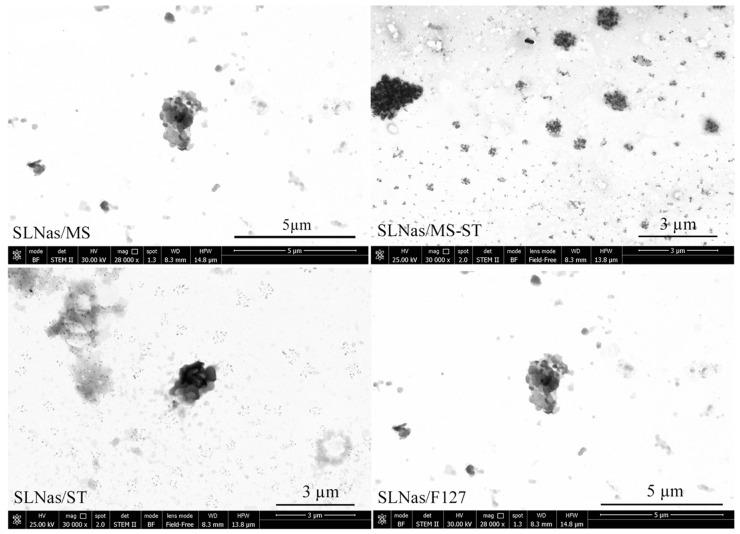
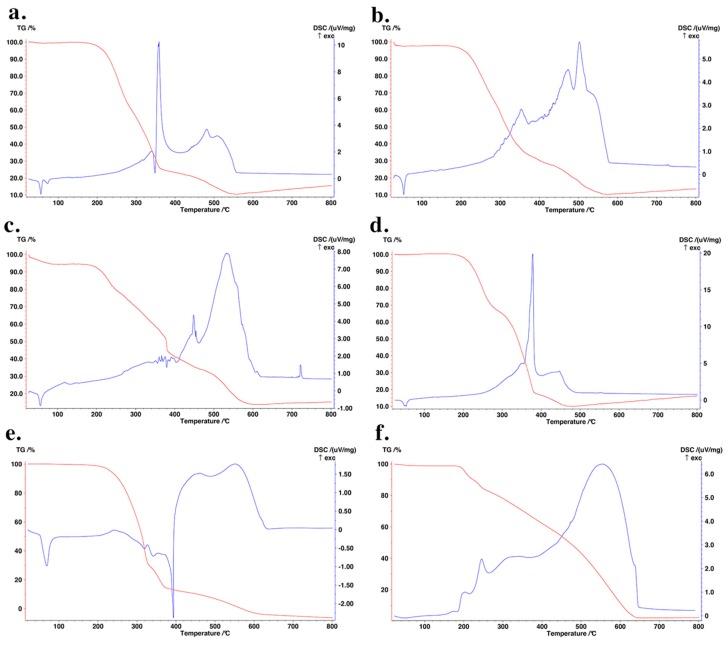
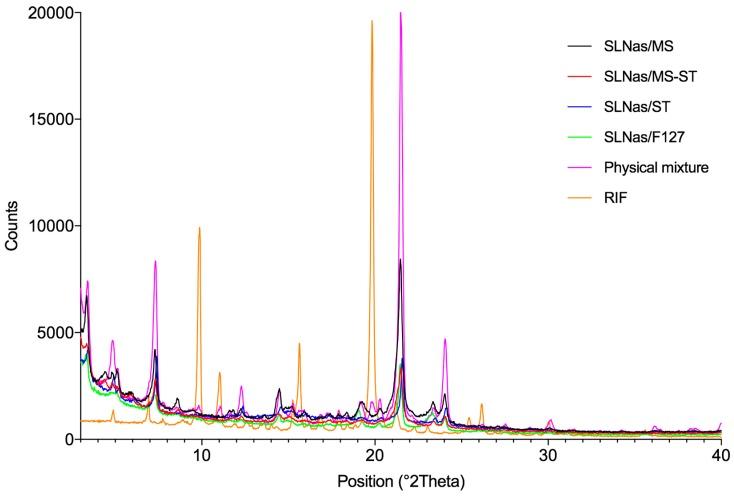
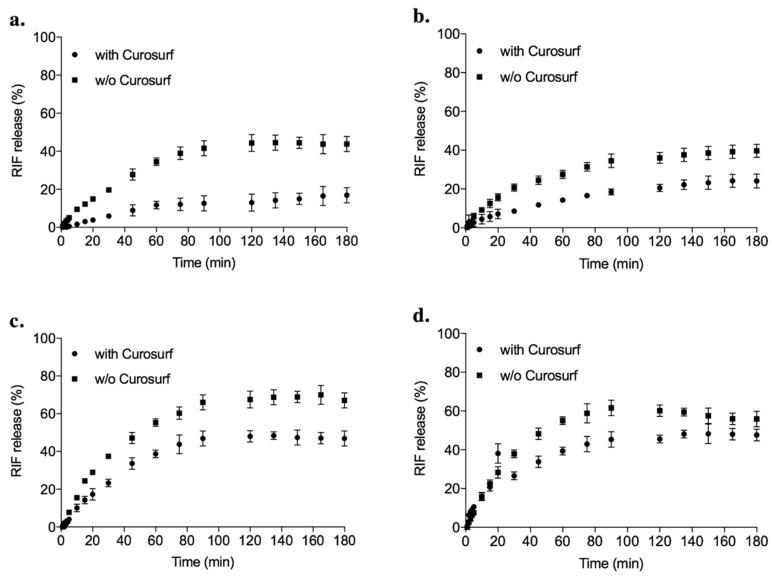
The mimicking of physiological conditions is crucial for the success of accurate in vitro studies. For inhaled nanoparticles, which are designed for being deposited on alveolar epithelium and taken up by macrophages, it is relevant to investigate the interactions with pulmonary surfactant lining alveoli. As a matter of fact, the formation of a lipid corona layer around the nanoparticles could modulate the cell internalization and the fate of the transported drugs. Based on this concept, the present research focused on the interactions between pulmonary surfactant and Solid Lipid Nanoparticle assemblies (SLNas), loaded with rifampicin, an anti-tuberculosis drug. SLNas were functionalized with a synthesized mannosylated surfactant, both alone and in a blend with sodium taurocholate, to achieve an active targeting to mannose receptors present on alveolar macrophages (AM). Physico-chemical properties of the mannosylated SLNas satisfied the requirements relative to suitable respirability, drug payload, and AM active targeting. Our studies have shown that a lipid corona is formed around SLNas in the presence of Curosurf, a commercial substitute of the natural pulmonary surfactant. The lipid corona promoted an additional resistance to the drug diffusion for SLNas functionalized with the mannosylated surfactant and this improved drug retention within SLNas before AM phagocytosis takes place. Moreover, lipid corona formation did not modify the role of nanoparticle mannosylation towards the specific receptors on MH-S cell membrane.
模拟生理条件对于准确的体外研究的成功至关重要。对于设计用于沉积在肺泡上皮并被巨噬细胞摄取的吸入纳米颗粒,研究其与肺泡内衬的肺表面活性剂的相互作用具有重要意义。事实上,纳米颗粒周围脂质冠层的形成可以调节细胞内化和转运药物的命运。基于这一概念,本研究聚焦于肺表面活性剂与负载抗结核药物利福平的固体脂质纳米粒聚集体(SLNas)之间的相互作用。SLNas用合成的甘露糖化表面活性剂进行功能化,单独使用以及与牛磺胆酸钠混合使用,以实现对肺泡巨噬细胞(AM)上存在的甘露糖受体的主动靶向。甘露糖化SLNas的物理化学性质满足了关于合适的可吸入性、药物负载量和AM主动靶向的要求。我们的研究表明,在天然肺表面活性剂的商业替代品Curosurf存在的情况下,SLNas周围形成了脂质冠。脂质冠促进了对用甘露糖化表面活性剂功能化的SLNas的药物扩散的额外抗性,并且在AM吞噬发生之前改善了药物在SLNas内的保留。此外,脂质冠的形成并未改变纳米颗粒甘露糖化对MH-S细胞膜上特定受体的作用。

 Zotero 插件