
Ki-67/MKI67作为胃癌患者临床结局的预测生物标志物:一项纳入53项研究和7078例患者的更新的荟萃分析和系统评价
Ki-67/MKI67 as a Predictive Biomarker for Clinical Outcome in Gastric Cancer Patients: an Updated Meta-analysis and Systematic Review involving 53 Studies and 7078 Patients.
作者信息
Xiong Dan-Dan, Zeng Chu-Mei, Jiang Ling, Luo Dian-Zhong, Chen Gang
机构信息
Department of Pathology, First Affiliated Hospital of Guangxi Medical University, Nanning, Guangxi Zhuang Autonomous Region 530021, China.
出版信息
J Cancer. 2019 Aug 29;10(22):5339-5354. doi: 10.7150/jca.30074. eCollection 2019.
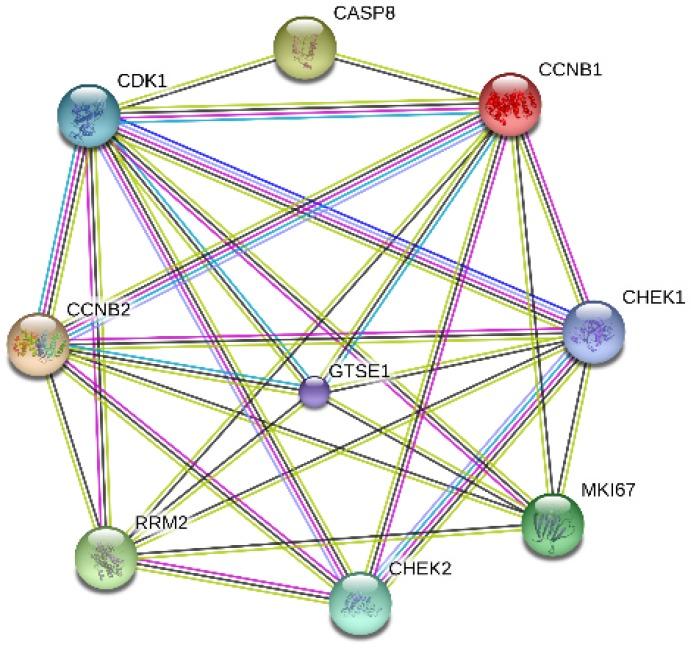
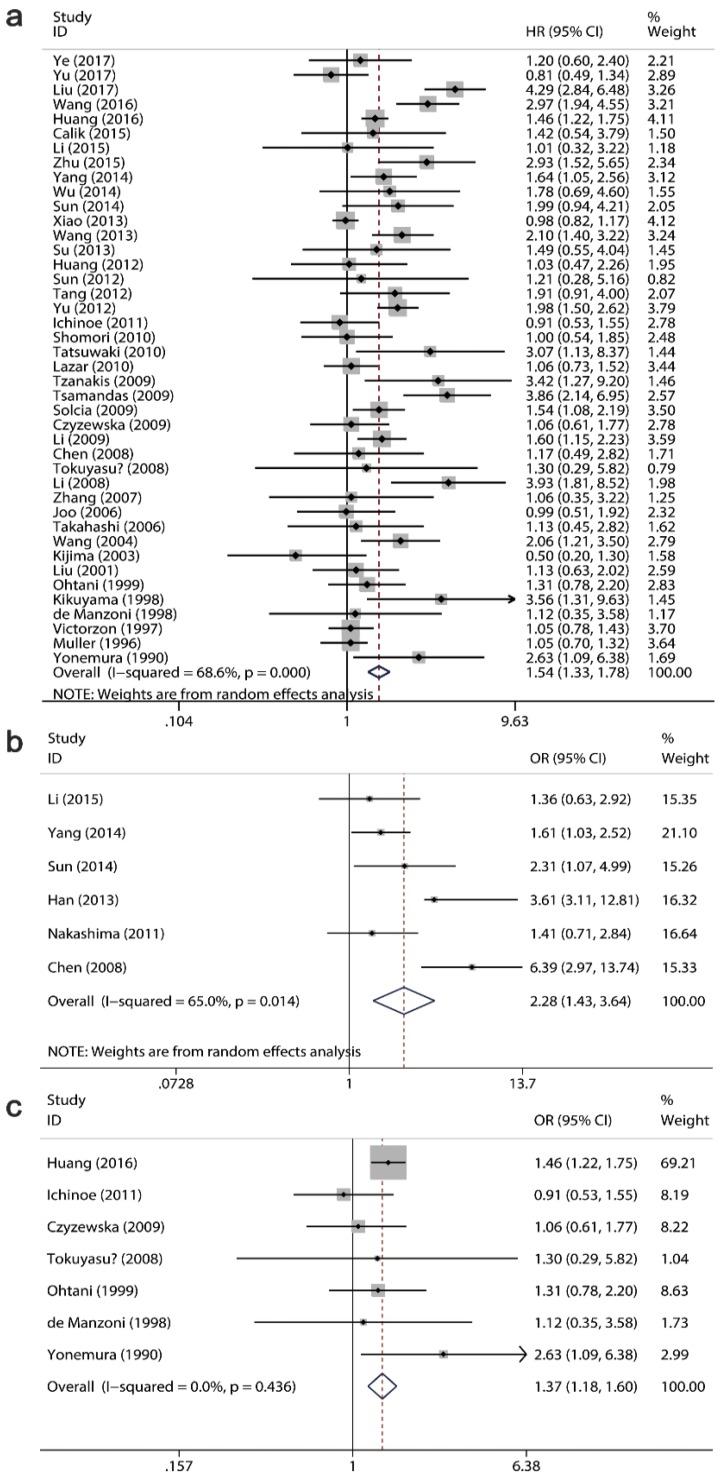
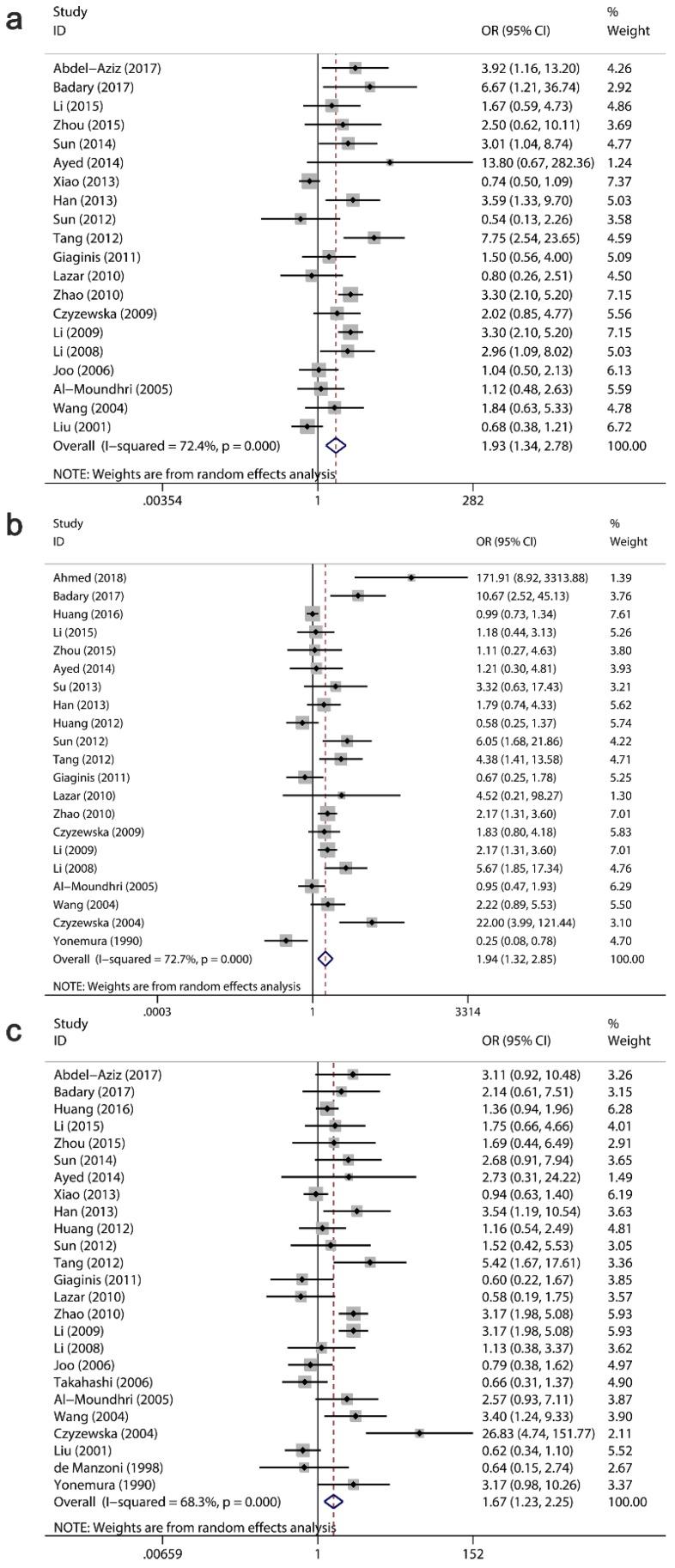
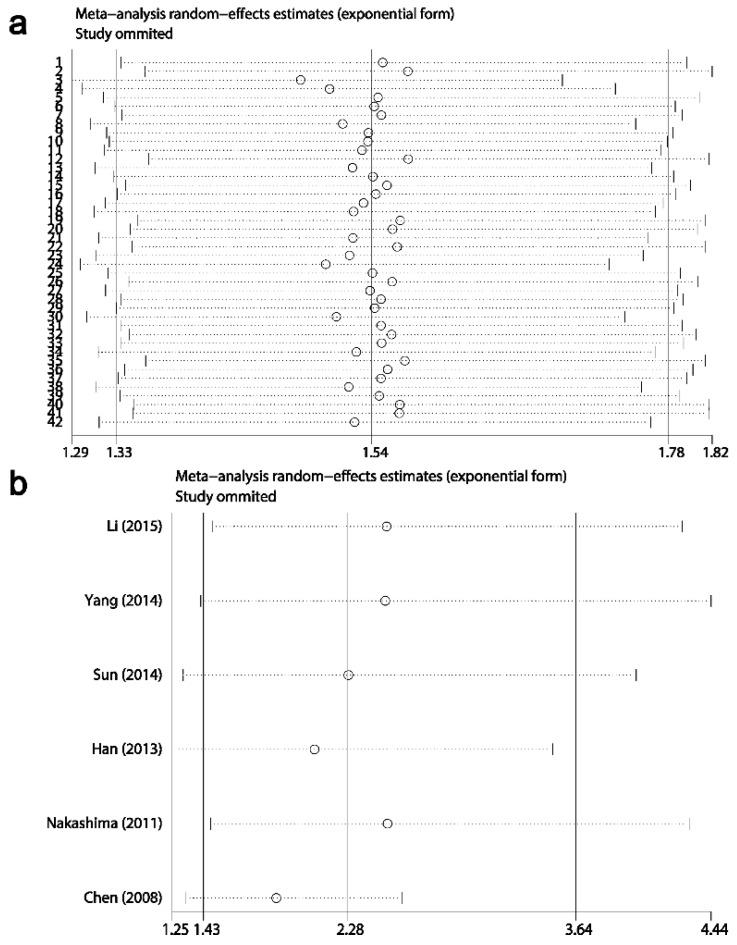
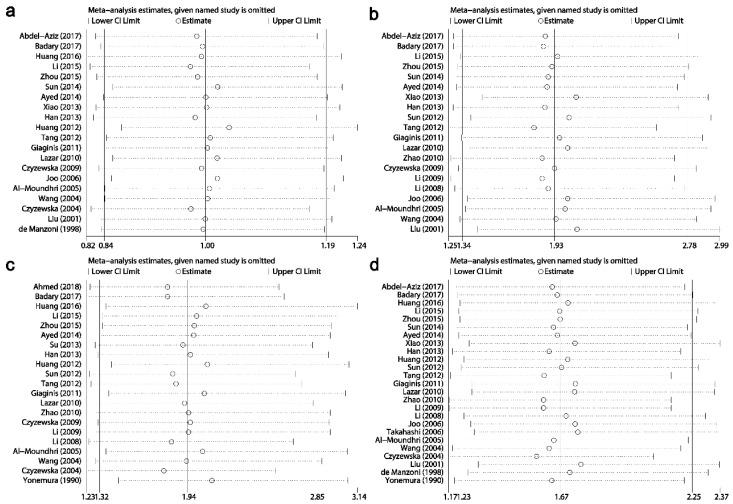
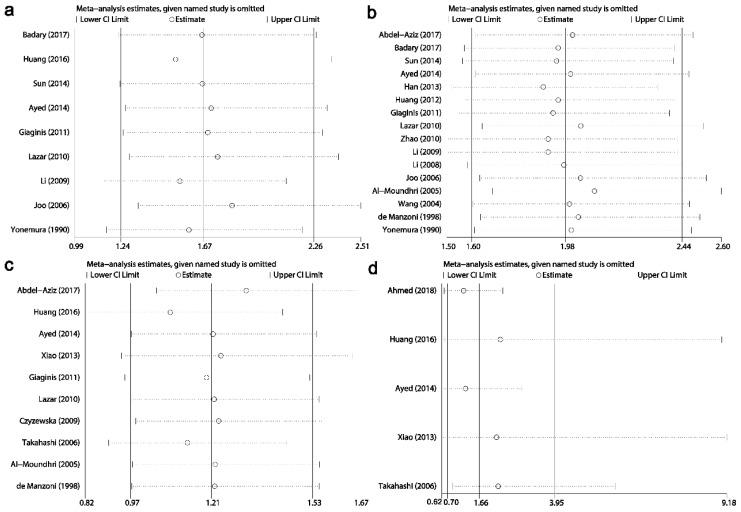
Gastric cancer (GC) threatens human health worldwide and we performed this meta-analysis to evaluate the clinical value of Ki-67/MKI67 in patients with GC. The combined hazard ratio (HR), odds ratio (OR) and 95% confidence interval (95% CI) were calculated to assess the relationships of Ki-67/MKI67 expression with prognoses and clinicopathological characteristics. Genes co-expressed with MKI67 were collected for Gene Ontology (GO), Kyoto Encyclopedia of Genes and Genomes (KEGG) pathway and protein-protein interaction (PPI) network analyses. In total, 53 studies with 7078 patients were included in this study. The pooled HRs indicated that an elevated expression of Ki-67/MKI67 predicted an unfavorable overall survival (HR: 1.54, 95% CI: 1.33-1.78, <0.0001) and disease-free survival (HR: 2.28, 95% CI: 1.43-3.64, <0.0001) in GC patients. Additionally, in patients with advanced GC, a high Ki-67/MKI67 expression was also significantly connected with OS (HR: 1.37, 95% CI: 1.18-1.60, <0.0001). The combined ORs showed that Ki-67/MKI67 expression was related to TNM stage (stage III/IV stage I/II: OR=1.93, 95% CI=1.34-2.78, <0.0001), tumor differentiation (poor well/moderate: OR=1.94, 95% CI=1.32-2.85, =0.001), lymph node metastasis (yes no: OR=1.67, 95% CI=1.23-2.25, =0.001), distant metastasis (yes no: OR=1.67, 95% CI=1.24-2.26, =0.001) and tumor invasion depth (T3/T4 T/T1/T2: OR=1.98, 95% CI=1.60-2.44, <0.0001). The results of GO, KEGG pathway and PPI network analyses indicated that Ki-67/MKI67 may be involved in the development of GC via influencing P53 signaling pathway. Ki-67/MKI67 could be a potential indicator to predict the prognosis of patients with GC and identify high-risk cases. Detecting Ki-67/MKI67 expression in clinic may be helpful in optimizing individual treatment and further improving the survival expectancy of patients with GC.
胃癌(GC)在全球范围内威胁着人类健康,我们进行了这项荟萃分析以评估Ki-67/MKI67在GC患者中的临床价值。计算合并风险比(HR)、比值比(OR)和95%置信区间(95%CI),以评估Ki-67/MKI67表达与预后及临床病理特征之间的关系。收集与MKI67共表达的基因进行基因本体论(GO)、京都基因与基因组百科全书(KEGG)通路和蛋白质-蛋白质相互作用(PPI)网络分析。本研究共纳入53项研究,涉及7078例患者。汇总的HR表明,Ki-67/MKI67表达升高预示GC患者总生存期不佳(HR:1.54,95%CI:1.33-1.78,<0.0001)和无病生存期不佳(HR:2.28,95%CI:1.43-3.64,<0.0001)。此外,在晚期GC患者中,高Ki-67/MKI67表达也与总生存期显著相关(HR:1.37,95%CI:1.18-1.60,<0.0001)。合并的OR显示,Ki-67/MKI67表达与TNM分期(III/IV期对I/II期:OR=1.93,95%CI=1.34-2.78,<0.0001)、肿瘤分化(差对良好/中等:OR=1.94,95%CI=1.32-2.85,=0.001)、淋巴结转移(是对否:OR=1.67,95%CI=1.23-2.25,=0.001)、远处转移(是对否:OR=1.67,95%CI=1.24-2.26,=0.001)和肿瘤浸润深度(T3/T4对T1/T2:OR=1.98,95%CI=1.60-2.44,<0.0001)有关。GO、KEGG通路和PPI网络分析结果表明,Ki-67/MKI67可能通过影响P53信号通路参与GC的发生发展。Ki-67/MKI67可能是预测GC患者预后和识别高危病例的潜在指标。在临床中检测Ki-67/MKI67表达可能有助于优化个体化治疗并进一步提高GC患者的预期生存期。



 Zotero 插件