
工程细胞外囊泡作为再生医学的纳米疗法。
Engineering Extracellular Vesicles as Nanotherapeutics for Regenerative Medicine.
机构信息
Surgical Bioengineering Laboratory, Department of Surgery, School of Medicine, University of California-Davis, Sacramento, CA 95817, USA.
Department of Biomedical Engineering, University of California-Davis, Davis, CA 95616, USA.
出版信息
Biomolecules. 2019 Dec 28;10(1):48. doi: 10.3390/biom10010048.
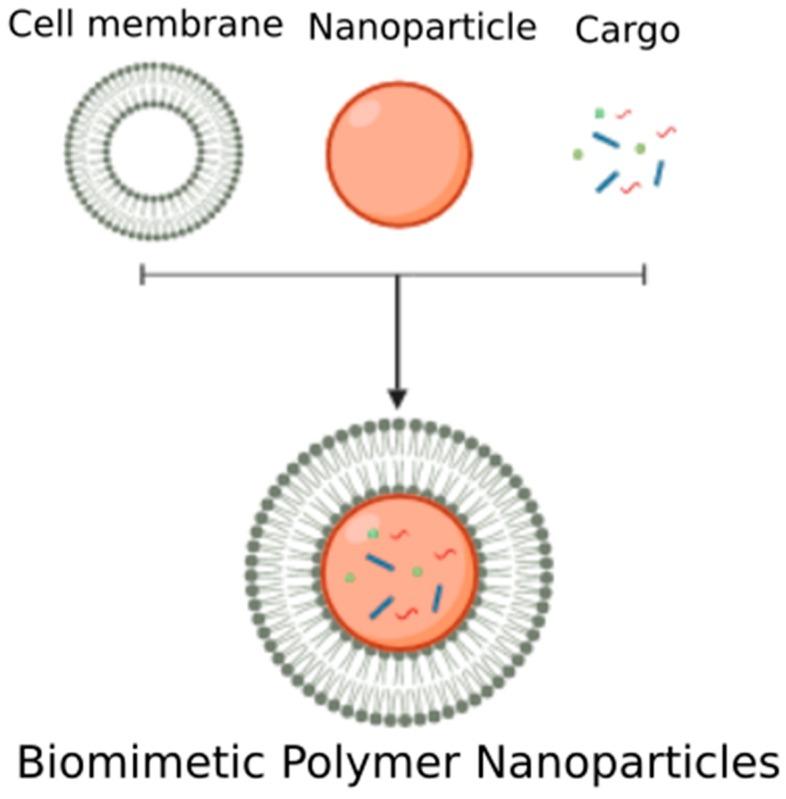
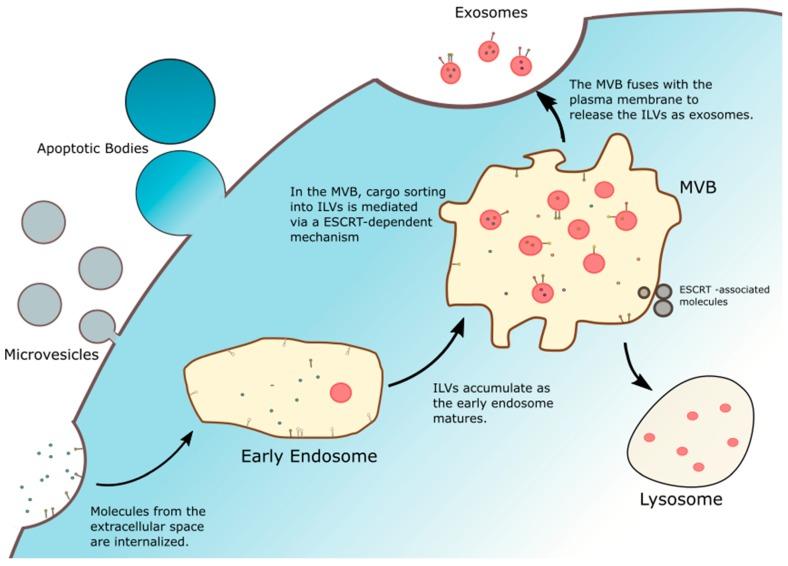
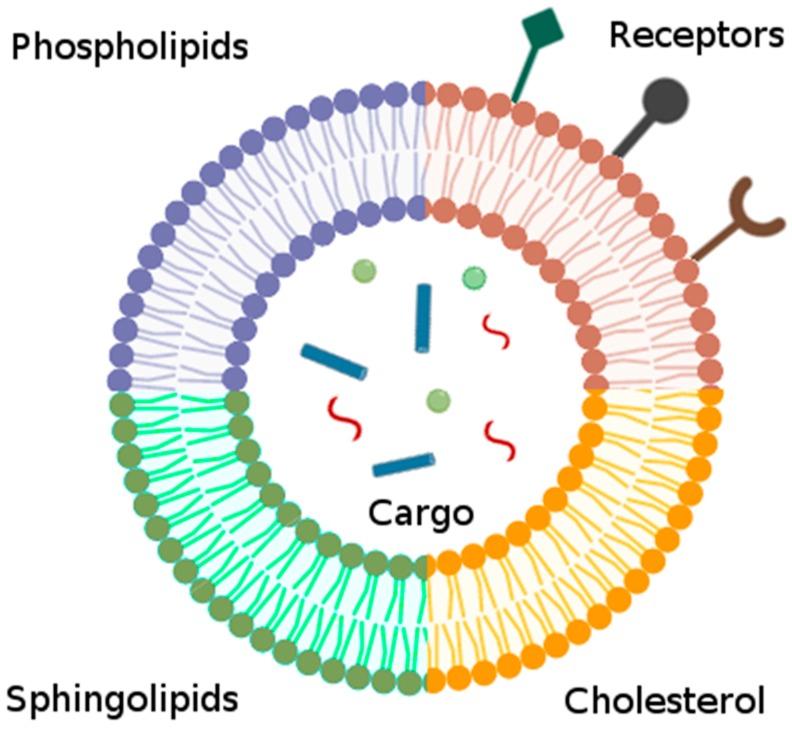
Long thought of to be vesicles that primarily recycled waste biomolecules from cells, extracellular vesicles (EVs) have now emerged as a new class of nanotherapeutics for regenerative medicine. Recent studies have proven their potential as mediators of cell proliferation, immunomodulation, extracellular matrix organization and angiogenesis, and are currently being used as treatments for a variety of diseases and injuries. They are now being used in combination with a variety of more traditional biomaterials and tissue engineering strategies to stimulate tissue repair and wound healing. However, the clinical translation of EVs has been greatly slowed due to difficulties in EV isolation and purification, as well as their limited yields and functional heterogeneity. Thus, a field of EV engineering has emerged in order to augment the natural properties of EVs and to recapitulate their function in semi-synthetic and synthetic EVs. Here, we have reviewed current technologies and techniques in this growing field of EV engineering while highlighting possible future applications for regenerative medicine.
长期以来,人们一直认为细胞外囊泡(EVs)是主要回收细胞内废物生物分子的囊泡,但现在它们已成为再生医学中一类新的纳米治疗药物。最近的研究证明了它们作为细胞增殖、免疫调节、细胞外基质组织和血管生成的介质的潜力,并被广泛用于治疗各种疾病和损伤。目前,它们正与各种更传统的生物材料和组织工程策略结合使用,以刺激组织修复和伤口愈合。然而,由于 EV 分离和纯化的困难以及它们产量有限和功能异质性等问题,EV 的临床转化受到了极大的阻碍。因此,出现了 EV 工程领域,以增强 EV 的天然特性,并在半合成和合成 EV 中再现其功能。在这里,我们综述了 EV 工程这一日益发展的领域中的当前技术和方法,同时强调了其在再生医学中的可能应用前景。

 Zotero 插件