
体液免疫因素的协调决定了 与 之间的兼容性。
Coordination of humoral immune factors dictates compatibility between and .
机构信息
Ocean College, Beibu Gulf University, Qinzhou, China.
School of Public Health, University of Alberta, Edmonton, Canada.
出版信息
Elife. 2020 Jan 9;9:e51708. doi: 10.7554/eLife.51708.
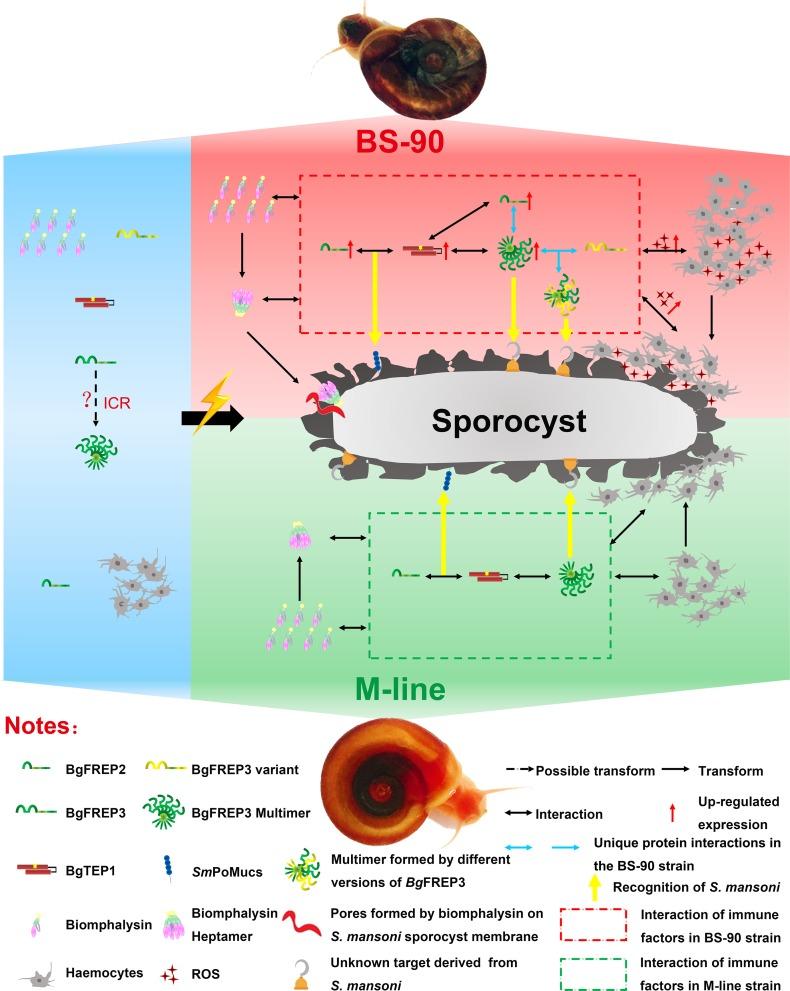
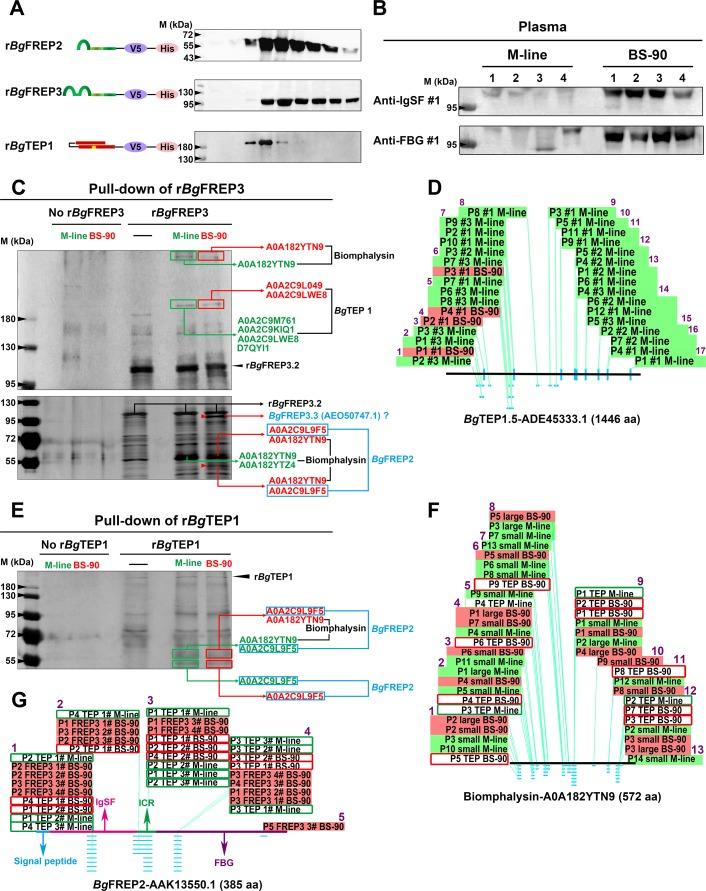
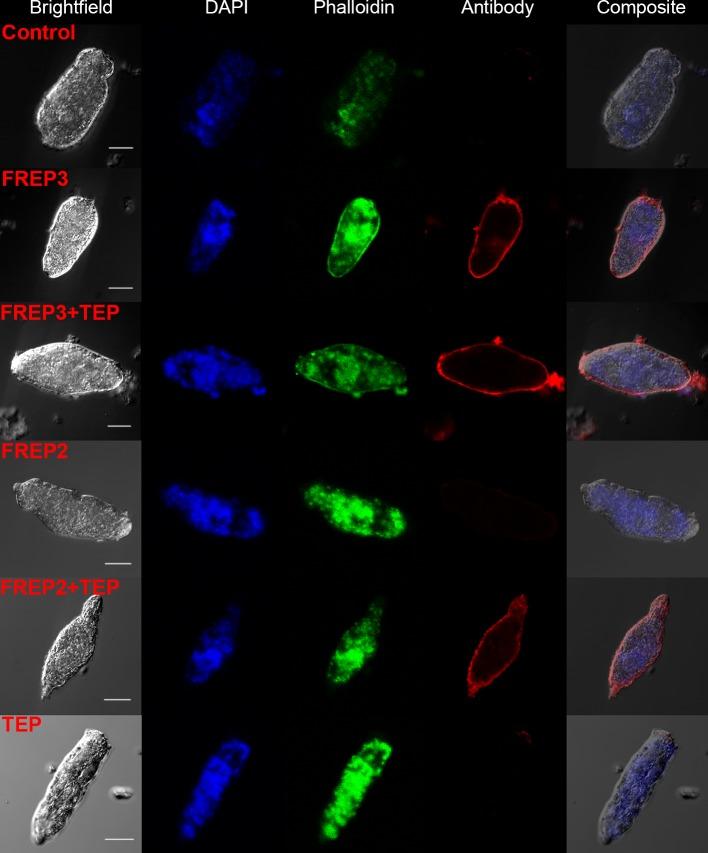
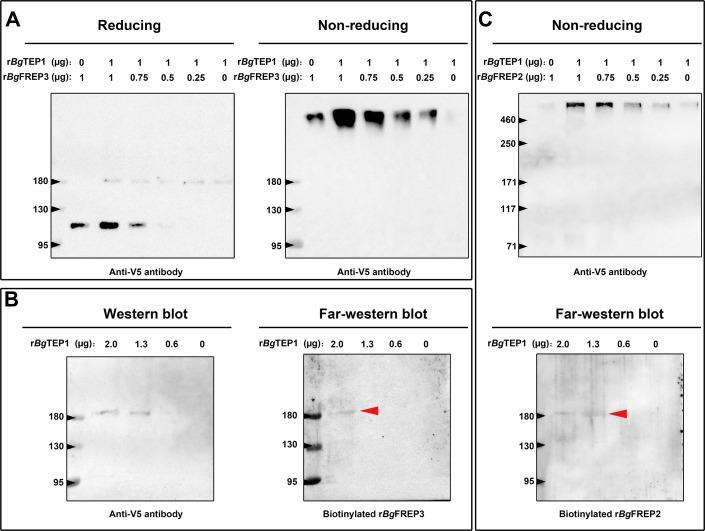
Immune factors in snails of the genus are critical for combating , the predominant cause of human intestinal schistosomiasis. Independently, many of these factors play an important role in, but do not fully define, the compatibility between the model snail , and . Here, we demonstrate association between four previously characterized humoral immune molecules; FREP3, TEP1, FREP2 and Biomphalysin. We also identify unique immune determinants in the plasma of -resistant that associate with the incompatible phenotype. These factors coordinate to initiate haemocyte-mediated destruction of sporocysts via production of reactive oxygen species. The inclusion of FREP2 in a FREP3-initiated complex that also includes TEP1 almost completely explains resistance to in this model. Our study unifies many independent lines of investigation to provide a more comprehensive understanding of the snail immune system in the context of infection by this important human parasite.
在蜗牛属中,免疫因子对于抵抗 至关重要, 是人类肠道血吸虫病的主要病原体。这些因子中的许多独立因子在 中发挥着重要作用,但并不能完全定义模型蜗牛 与 的相容性。在这里,我们证明了之前表征的四种体液免疫分子;FREP3、TEP1、FREP2 和 Biomphalysin 之间存在关联。我们还在对 具有抗性的 血浆中鉴定出与不相容表型相关的独特免疫决定簇。这些因子通过产生活性氧物质来协调启动血淋巴细胞介导的对 孢子囊的破坏。FREP2 包含在 FREP3 起始的复合物中,该复合物还包括 TEP1,这几乎完全解释了该模型中对 的抗性。我们的研究将许多独立的研究线索统一起来,提供了对在这种重要的人类寄生虫感染背景下蜗牛免疫系统的更全面理解。




 Zotero 插件