
TIGAR 通过动态 ROS 控制调节胰腺癌的发生和发展。
Dynamic ROS Control by TIGAR Regulates the Initiation and Progression of Pancreatic Cancer.
机构信息
The Francis Crick Institute, London NW1 1AT, UK.
Department of Cancer Physiology, Moffitt Cancer Center and Research Institute, Tampa, FL 33612, USA.
出版信息
Cancer Cell. 2020 Feb 10;37(2):168-182.e4. doi: 10.1016/j.ccell.2019.12.012. Epub 2020 Jan 23.
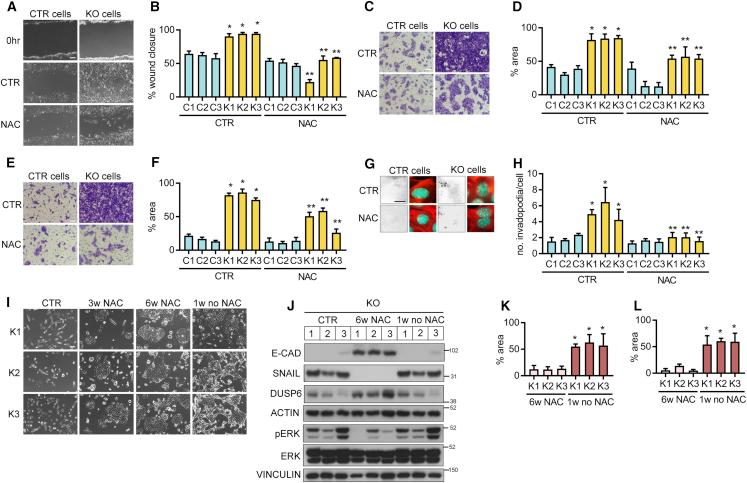
The TIGAR protein has antioxidant activity that supports intestinal tissue repair and adenoma development. Using a pancreatic ductal adenocarcinoma (PDAC) model, we show that reactive oxygen species (ROS) regulation by TIGAR supports premalignant tumor initiation while restricting metastasis. Increased ROS in PDAC cells drives a phenotypic switch that increases migration, invasion, and metastatic capacity. This switch is dependent on increased activation of MAPK signaling and can be reverted by antioxidant treatment. In mouse and human, TIGAR expression is modulated during PDAC development, with higher TIGAR levels in premalignant lesions and lower TIGAR levels in metastasizing tumors. Our study indicates that temporal, dynamic control of ROS underpins full malignant progression and helps to rationalize conflicting reports of pro- and anti-tumor effects of antioxidant treatment.
TIGAR 蛋白具有抗氧化活性,有助于肠道组织修复和腺瘤发展。我们使用胰腺导管腺癌(PDAC)模型表明,TIGAR 通过调节活性氧(ROS)来支持癌前肿瘤的起始,同时限制转移。PDAC 细胞中 ROS 的增加驱动表型转换,增加迁移、侵袭和转移能力。这种转换依赖于 MAPK 信号的激活增加,并且可以通过抗氧化剂治疗来逆转。在小鼠和人类中,TIGAR 的表达在 PDAC 发展过程中发生调节,在癌前病变中 TIGAR 水平较高,在转移瘤中 TIGAR 水平较低。我们的研究表明,ROS 的时间、动态控制是恶性进展的基础,并有助于解释抗氧化剂治疗的促肿瘤和抗肿瘤作用的相互矛盾的报告。



 Zotero 插件