
O-甲基鸟嘌呤-DNA甲基转移酶(MGMT):胶质瘤化疗中的挑战与新机遇
O-Methylguanine-DNA Methyltransferase (MGMT): Challenges and New Opportunities in Glioma Chemotherapy.
作者信息
Yu Wei, Zhang Lili, Wei Qichun, Shao Anwen
机构信息
Department of Radiation Oncology, The Second Affiliated Hospital, Zhejiang University School of Medicine, Hangzhou, China.
Cancer Institute (Ministry of Education Key Laboratory of Cancer Prevention and Intervention), Zhejiang University Cancer Institute, Hangzhou, China.
出版信息
Front Oncol. 2020 Jan 17;9:1547. doi: 10.3389/fonc.2019.01547. eCollection 2019.
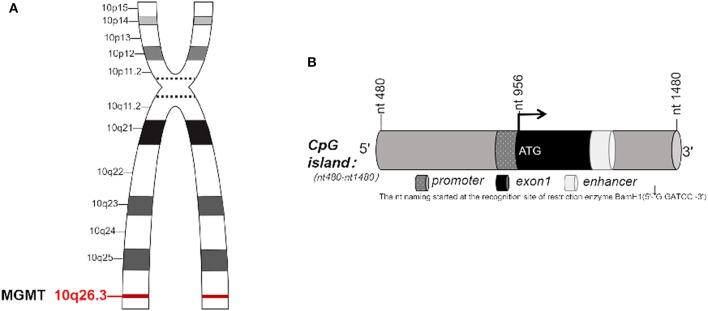
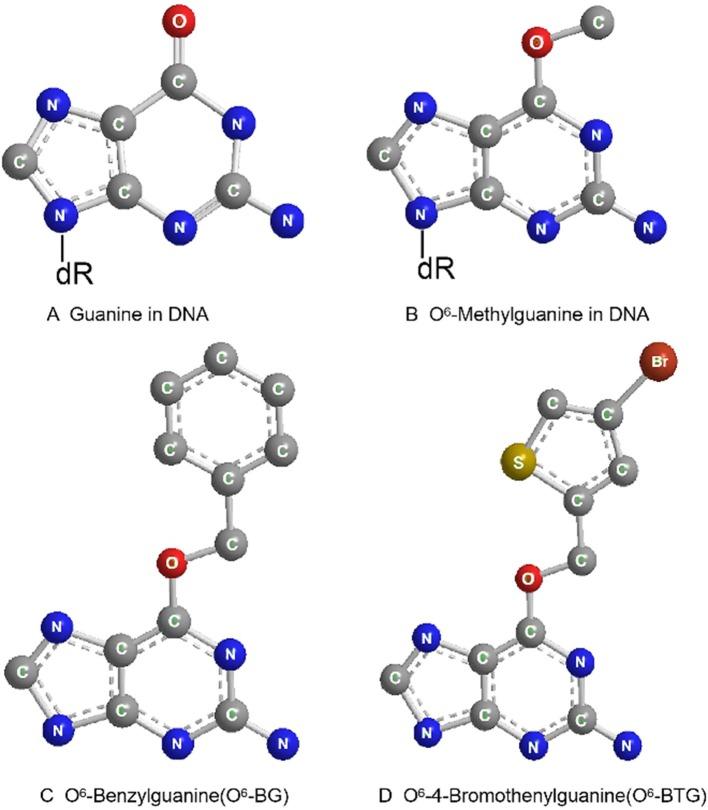
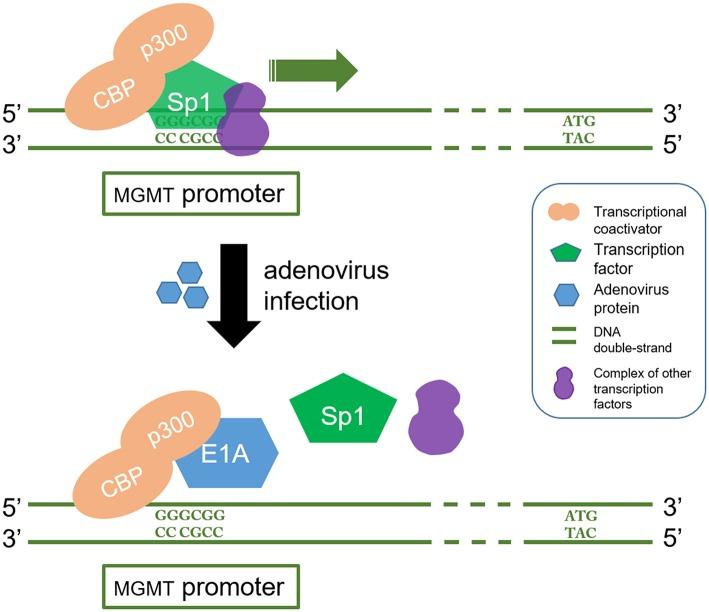
Chemoresistance has been a significant problem affecting the efficacy of drugs targeting tumors for decades. MGMT, known as O-methylguanine-DNA methyltransferase, is a DNA repair enzyme that plays an important role in chemoresistance to alkylating agents. Hence, MGMT is considered a promising target for tumor treatment. Several methods are employed to detect MGMT, each with its own advantages and disadvantages. Some of the detection methods are; immunohistochemistry, methylation-specific PCR (MSP), pyrophosphate sequencing, MGMT activity test, and real-time quantitative PCR. Methylation of MGMT promoter is a key predictor of whether alkylating agents can effectively control glioma cells. The prognostic value of MGMT in glioma is currently being explored. The expression of MGMT gene mainly depends on epigenetic modification-methylation of CpG island of MGMT promoter. CpG island covers a length of 762 bp, with 98 CpG sites located at the 5' end of the gene, ranging from 480 to 1,480 nucleotides. The methylation sites and frequencies of CpG islands vary in MGMT-deficient tumor cell lines, xenografts of glioblastoma and glioblastoma. Methylation in some regions of promoter CpG islands is particularly associated with gene expression. The change in the methylation status of the MGMT promoter after chemotherapy, radiotherapy or both is not completely understood, and results from previous studies have been controversial. Several studies have revealed that chemotherapy may enhance MGMT expression in gliomas. This could be through gene induction or selection of high MGMT-expressing cells during chemotherapy. Selective survival of glioma cells with high MGMT expression during alkylating agent therapy may change MGMT status in case of recurrence. Several strategies have been pursued to improve the anti-tumor effects of temozolomide. These include the synthesis of analogs of O-meG such as O-benzylguanine (O-BG) and O-(4-bromothenyl) guanine (O-BTG), RNAi, and viral proteins. This review describes the regulation of MGMT expression and its role in chemotherapy, especially in glioma. Targeting MGMT seems to be a promising approach to overcome chemoresistance. Further studies exploring new agents targeting MGMT with better curative effect and less toxicity are advocated. We anticipate that these developments will improve the current poor prognosis of glioma patients.
几十年来,化疗耐药一直是影响肿瘤靶向药物疗效的重大问题。MGMT,即O-甲基鸟嘌呤-DNA甲基转移酶,是一种DNA修复酶,在对烷化剂的化疗耐药中起重要作用。因此,MGMT被认为是肿瘤治疗的一个有前景的靶点。有几种方法用于检测MGMT,每种方法都有其优缺点。其中一些检测方法包括:免疫组织化学、甲基化特异性PCR(MSP)、焦磷酸测序、MGMT活性检测和实时定量PCR。MGMT启动子的甲基化是烷化剂能否有效控制胶质瘤细胞的关键预测指标。目前正在探索MGMT在胶质瘤中的预后价值。MGMT基因的表达主要取决于表观遗传修饰——MGMT启动子CpG岛的甲基化。CpG岛长度为762 bp,98个CpG位点位于基因的5'端,范围从480到1480个核苷酸。在MGMT缺陷的肿瘤细胞系、胶质母细胞瘤异种移植瘤和胶质母细胞瘤中,CpG岛的甲基化位点和频率各不相同。启动子CpG岛某些区域的甲基化与基因表达特别相关。化疗、放疗或两者联合后MGMT启动子甲基化状态的变化尚未完全明确,以往研究结果存在争议。几项研究表明,化疗可能会增强胶质瘤中MGMT的表达。这可能是通过基因诱导或在化疗期间选择高表达MGMT的细胞。在烷化剂治疗期间,高表达MGMT的胶质瘤细胞的选择性存活可能会在复发时改变MGMT状态。已经采取了几种策略来提高替莫唑胺的抗肿瘤效果。这些策略包括合成O-meG类似物,如O-苄基鸟嘌呤(O-BG)和O-(4-溴乙烯基)鸟嘌呤(O-BTG)、RNA干扰和病毒蛋白。这篇综述描述了MGMT表达的调控及其在化疗中的作用,尤其是在胶质瘤中的作用。靶向MGMT似乎是克服化疗耐药的一种有前景的方法。提倡进一步研究探索靶向MGMT的新药物,使其具有更好的疗效和更低的毒性。我们预计这些进展将改善目前胶质瘤患者较差的预后。

 Zotero 插件