
过氧化物酶体增殖物激活受体介导的毒理学与应用药理学。
PPAR-Mediated Toxicology and Applied Pharmacology.
机构信息
School of Pharmaceutical Sciences, Sun Yat-sen University, Guangzhou 510006, China.
Center for Pharmacogenetics and Department of Pharmaceutical Sciences, University of Pittsburgh, Pittsburgh, PA 15213, USA.
出版信息
Cells. 2020 Feb 3;9(2):352. doi: 10.3390/cells9020352.
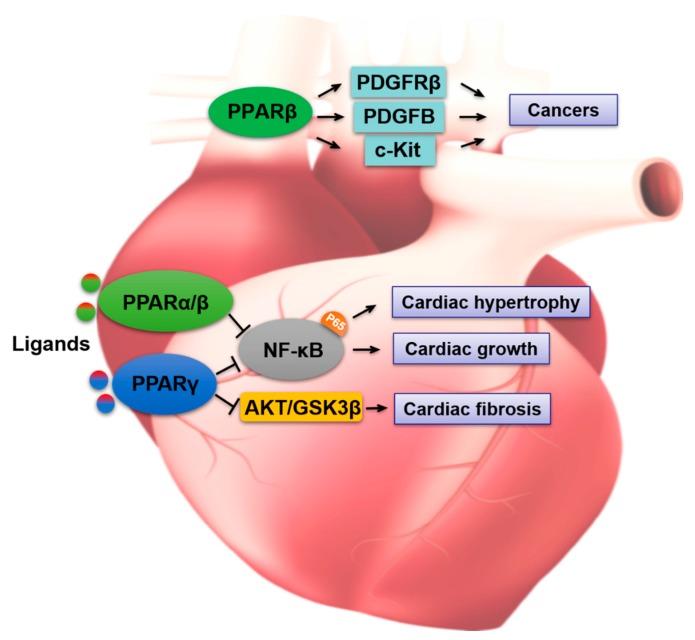
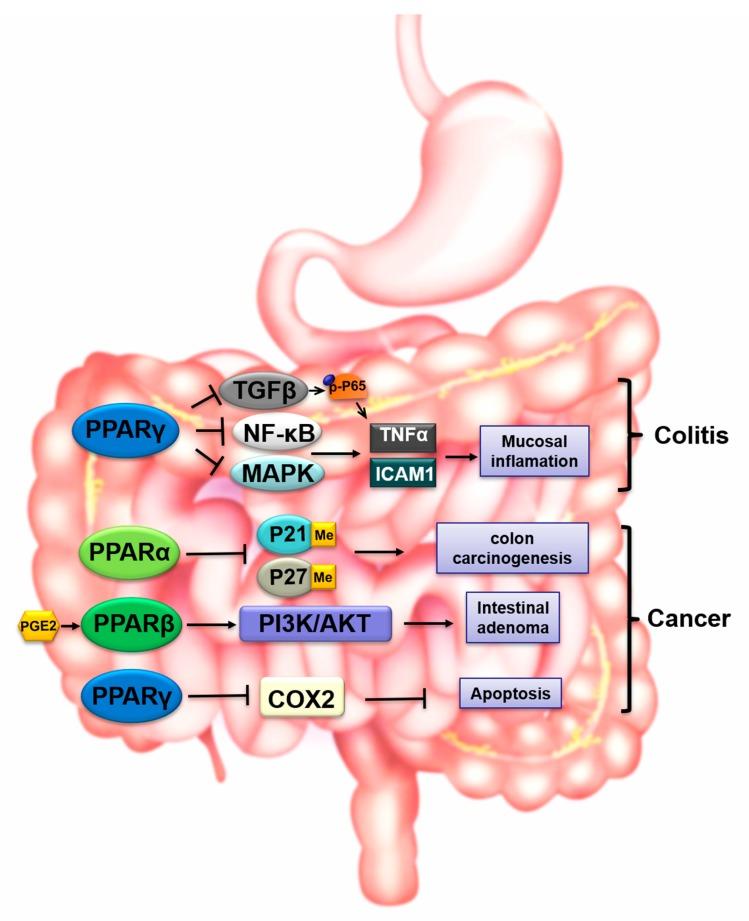
Peroxisome proliferator-activated receptors (PPARs), members of the nuclear hormone receptor family, attract wide attention as promising therapeutic targets for the treatment of multiple diseases, and their target selective ligands were also intensively developed for pharmacological agents such as the approved drugs fibrates and thiazolidinediones (TZDs). Despite their potent pharmacological activities, PPARs are reported to be involved in agent- and pollutant-induced multiple organ toxicity or protective effects against toxicity. A better understanding of the protective and the detrimental role of PPARs will help to preserve efficacy of the PPAR modulators but diminish adverse effects. The present review summarizes and critiques current findings related to PPAR-mediated types of toxicity and protective effects against toxicity for a systematic understanding of PPARs in toxicology and applied pharmacology.
过氧化物酶体增殖物激活受体(PPARs)是核激素受体家族的成员,作为治疗多种疾病的有前途的治疗靶点,引起了广泛关注,它们的靶选择性配体也被积极开发为药理学药物,如已批准的药物贝特类和噻唑烷二酮类(TZDs)。尽管它们具有很强的药理学活性,但据报道,PPARs 参与了药物和污染物引起的多种器官毒性,或对毒性的保护作用。更好地了解 PPAR 的保护和有害作用将有助于保持 PPAR 调节剂的疗效,同时减少不良反应。本综述总结和评论了与 PPAR 介导的毒性类型和对毒性的保护作用相关的当前发现,以便在毒理学和应用药理学中系统地理解 PPARs。

 Zotero 插件