
埃及伊蚊生殖相关基因的转录组分析和生理功能。
Transcriptional profiling and physiological roles of Aedes aegypti spermathecal-related genes.
机构信息
Departamento de Biologia Geral, Universidade Federal de Viçosa, Viçosa, MG, 36570-900, Brazil.
Division of Tropical Public Health, Department of Preventive Medicine and Biostatistics, Uniformed Services University, 4301 Jones Bridge Road, Rm A-3083, Bethesda, MD, 20814, USA.
出版信息
BMC Genomics. 2020 Feb 10;21(1):143. doi: 10.1186/s12864-020-6543-y.
BACKGROUND
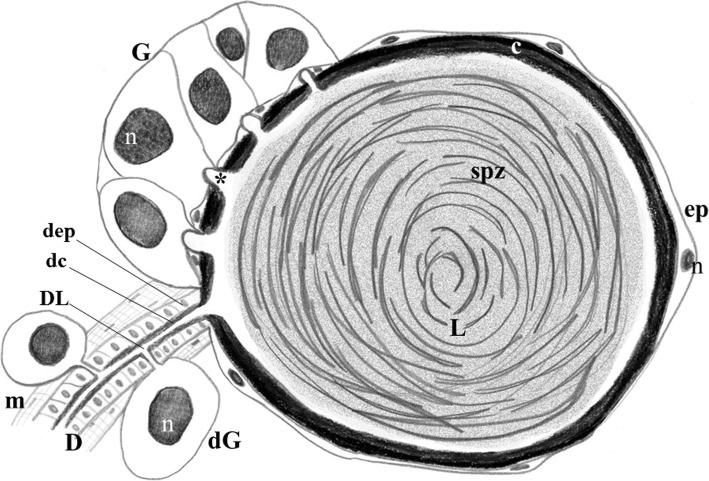
Successful mating of female mosquitoes typically occurs once, with the male sperm being stored in the female spermatheca for every subsequent oviposition event. The female spermatheca is responsible for the maintenance, nourishment, and protection of the male sperm against damage during storage. Aedes aegypti is a major vector of arboviruses, including Yellow Fever, Dengue, Chikungunya, and Zika. Vector control is difficult due to this mosquito high reproductive capacity.
RESULTS
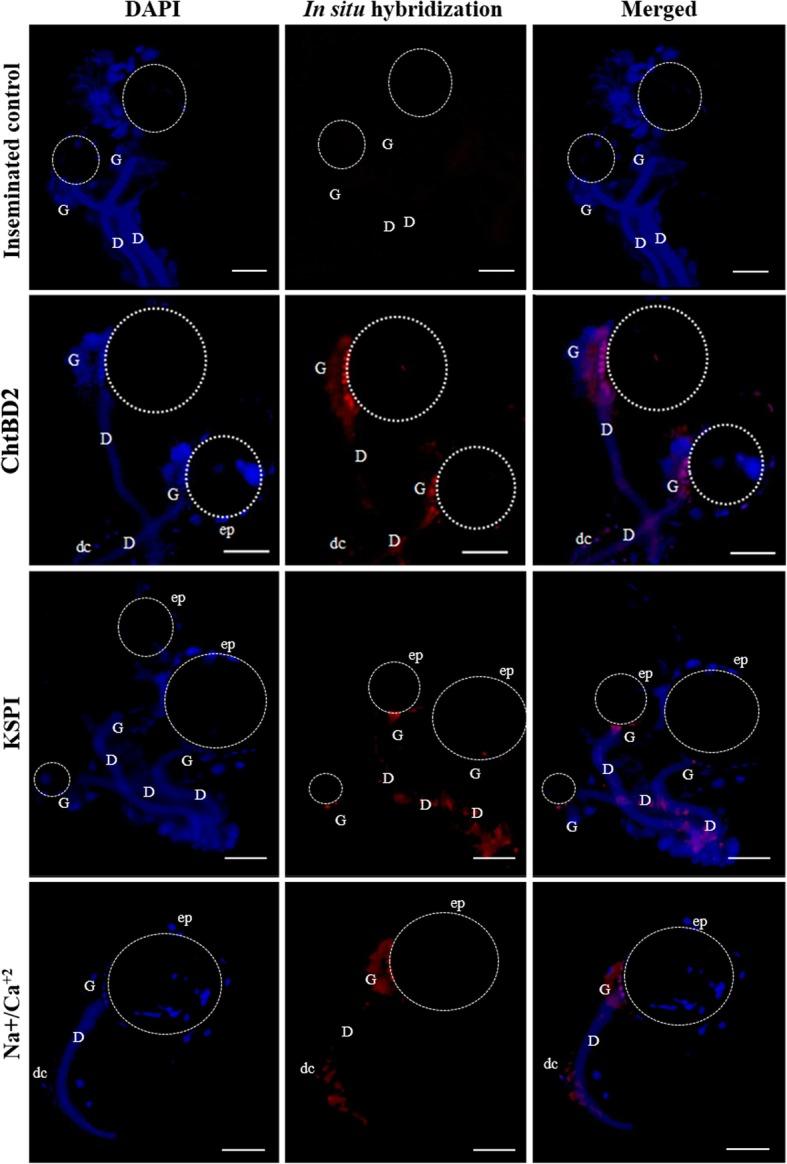
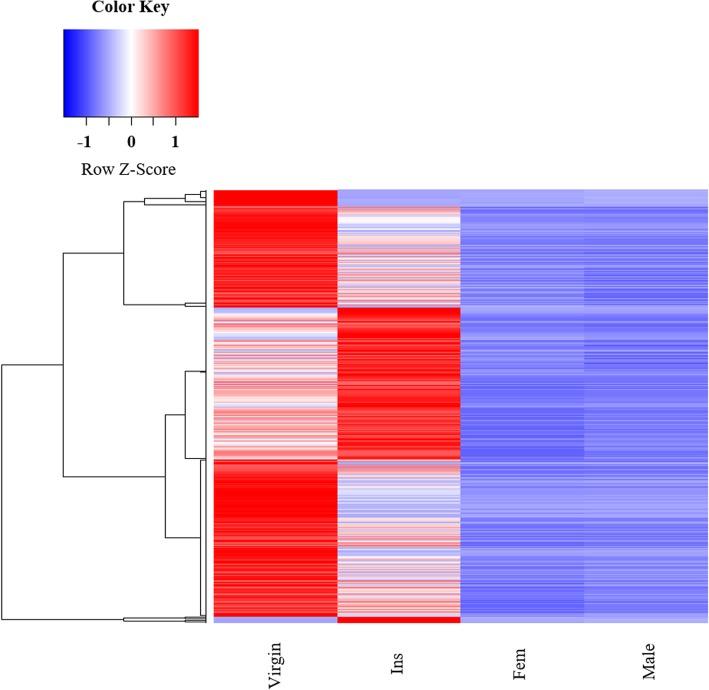
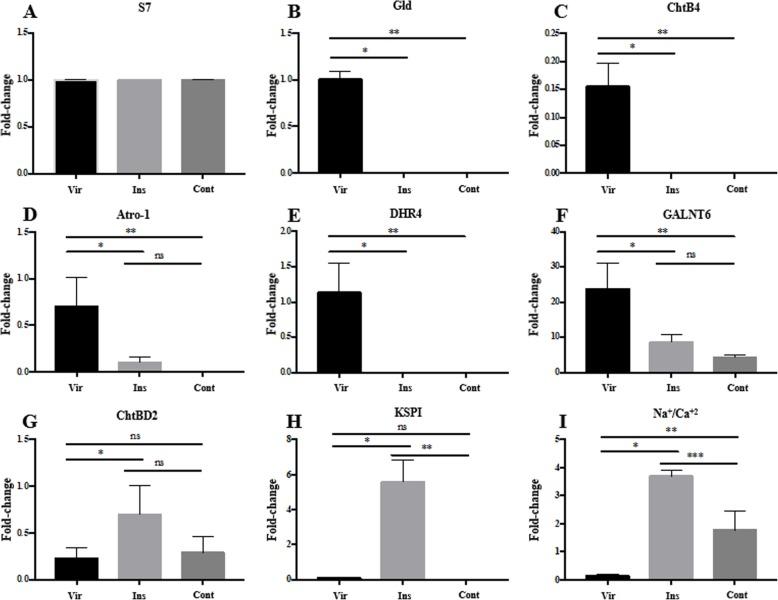
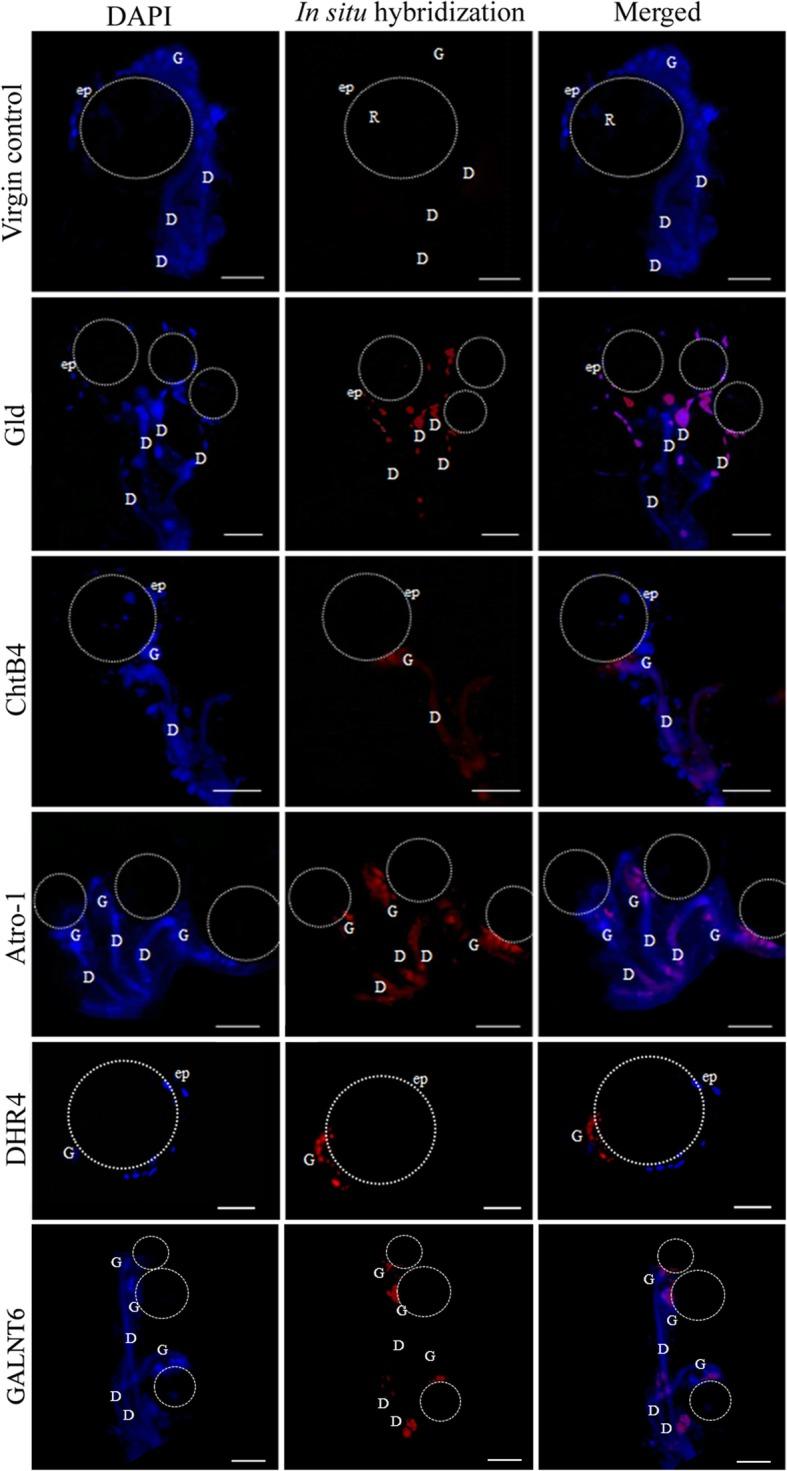
Following comparative RNA-seq analyses of spermathecae obtained from virgin and inseminated females, eight transcripts were selected based on their putative roles in sperm maintenance and survival, including energy metabolism, chitin components, transcriptional regulation, hormonal signaling, enzymatic activity, antimicrobial activity, and ionic homeostasis. In situ RNA hybridization confirmed tissue-specific expression of the eight transcripts. Following RNA interference (RNAi), observed outcomes varied between targeted transcripts, affecting mosquito survival, egg morphology, fecundity, and sperm motility within the spermathecae.
CONCLUSIONS
This study identified spermatheca-specific transcripts associated with sperm storage in Ae. aegypti. Using RNAi we characterized the role of eight spermathecal transcripts on various aspects of female fecundity and offspring survival. RNAi-induced knockdown of transcript AeSigP-66,427, coding for a Na/Ca protein exchanger, specifically interfered with egg production and reduced sperm motility. Our results bring new insights into the molecular basis of sperm storage and identify potential targets for Ae. aegypti control.
背景
雌性蚊子的成功交配通常只发生一次,雄性精子被储存在雌性的受精囊中,以备随后的每次产卵事件使用。雌性的受精囊负责维持、滋养和保护精子免受储存过程中的损伤。埃及伊蚊是包括黄热病、登革热、基孔肯雅热和寨卡病毒在内的虫媒病毒的主要传播媒介。由于这种蚊子具有高繁殖能力,因此很难进行病媒控制。
结果
对处女和受精后的雌性获得的受精囊进行比较 RNA-seq 分析后,根据它们在精子维持和存活中的潜在作用,选择了 8 个转录本,包括能量代谢、几丁质成分、转录调控、激素信号、酶活性、抗菌活性和离子动态平衡。原位 RNA 杂交证实了这 8 个转录本的组织特异性表达。在进行 RNA 干扰(RNAi)后,靶向的转录本的观察结果有所不同,影响了蚊子的生存、卵形态、繁殖力以及受精囊中精子的运动能力。
结论
本研究鉴定了与埃及伊蚊精子储存相关的受精囊特异性转录本。通过 RNAi,我们描述了 8 个受精囊转录本在雌性繁殖力和后代生存的多个方面的作用。对编码 Na/Ca 蛋白交换器的转录本 AeSigP-66,427 的 RNAi 诱导敲低,特异性地干扰了卵子的产生并降低了精子的运动能力。我们的研究结果为精子储存的分子基础提供了新的见解,并确定了埃及伊蚊控制的潜在靶标。
 Zotero 插件