
聚(ADP - 核糖)聚合酶抑制剂在癌症治疗中的作用及克服耐药性的方法:综述
The role of poly(ADP-ribose) polymerase inhibitors in the treatment of cancer and methods to overcome resistance: a review.
作者信息
Patel Mausam, Nowsheen Somaira, Maraboyina Sanjay, Xia Fen
机构信息
1Department of Radiation Oncology, University of Arkansas for Medical Sciences, 4301 W. Markham St., #771, Little Rock, AR 72205-7199 USA.
2Mayo Clinic Medical Scientist Training Program, Mayo Clinic Alix School of Medicine and Mayo Clinic Graduate School of Biomedical Sciences, Mayo Clinic, Rochester, MN USA.
出版信息
Cell Biosci. 2020 Mar 11;10:35. doi: 10.1186/s13578-020-00390-7. eCollection 2020.
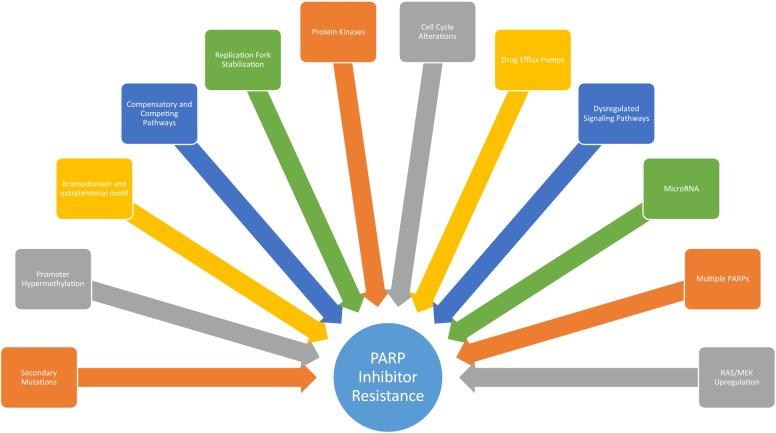
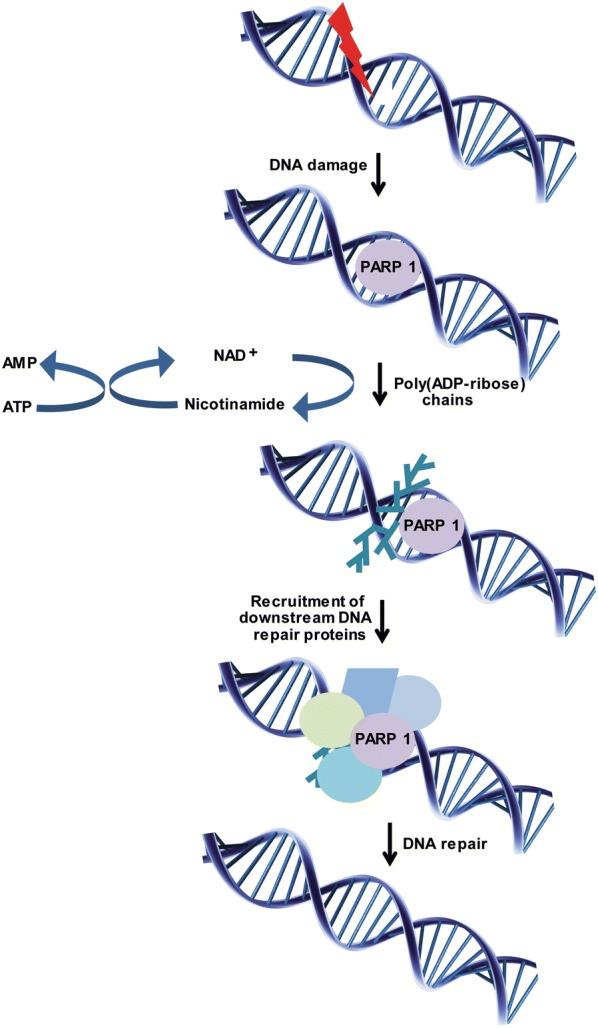
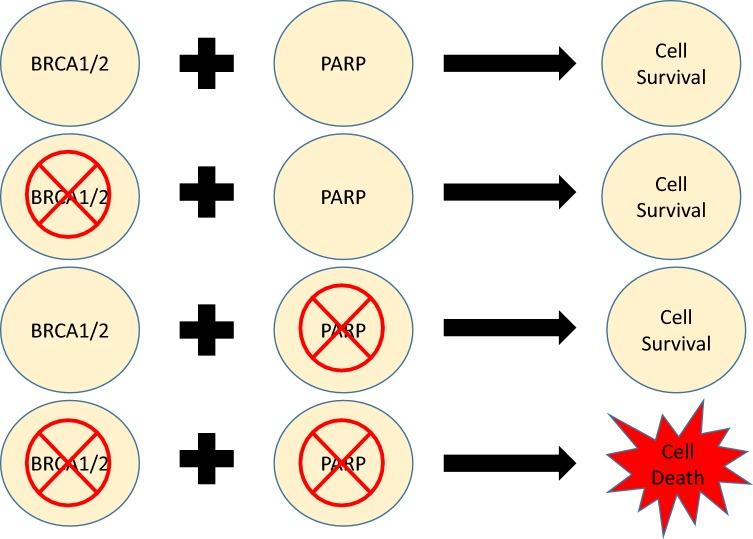
Poly(ADP-ribose) polymerase (PARP) inhibitors represent one of the successful novel approaches to targeted cancer treatment. Indeed, the US Food and Drug Administration (FDA) has recently approved PARP inhibitors for the treatment of breast and ovarian cancers. Despite the proven efficacy of these agents, certain challenges remain with their use. Among the most important are primary and secondary resistance. Here, we review the mechanism of action of PARP inhibitors and their ability to exploit certain inherent deficiencies among malignant cells to improve cell killing, with a focus on deficiencies in homologous recombination among cells with and mutations. Moreover, we discuss the different mechanisms of resistance including development of secondary resistance and strategies to overcome them. Finally, we discuss the limitations of novel therapeutic interventions and possible future studies to exploit biochemical pathways in order to improve therapeutic efficacy of PARP inhibitors.
聚(ADP - 核糖)聚合酶(PARP)抑制剂是靶向癌症治疗成功的新方法之一。事实上,美国食品药品监督管理局(FDA)最近已批准PARP抑制剂用于治疗乳腺癌和卵巢癌。尽管这些药物已被证明有效,但在使用中仍存在一些挑战。其中最重要的是原发性和继发性耐药性。在此,我们综述PARP抑制剂的作用机制及其利用恶性细胞中某些固有缺陷来增强细胞杀伤的能力,重点关注具有特定突变的细胞中同源重组的缺陷。此外,我们讨论了不同的耐药机制,包括继发性耐药的发生以及克服这些耐药的策略。最后,我们讨论了新型治疗干预措施的局限性以及未来利用生化途径提高PARP抑制剂治疗效果的可能研究方向。
 Zotero 插件