
涉及致命病原体:评估野生动物活体合法贸易及对人类健康的潜在风险。
Dealing in deadly pathogens: Taking stock of the legal trade in live wildlife and potential risks to human health.
作者信息
Can Özgün Emre, D'Cruze Neil, Macdonald David W
机构信息
Wildlife Conservation Research Unit, Department of Zoology, University of Oxford, Recanati-Kaplan Centre, Tubney House, Oxford, OX13 5QL, UK.
World Animal Protection, 5th Floor, 222 Grays Inn Road, London, WC1X 8HB, UK.
出版信息
Glob Ecol Conserv. 2019 Jan;17:e00515. doi: 10.1016/j.gecco.2018.e00515. Epub 2018 Dec 24.
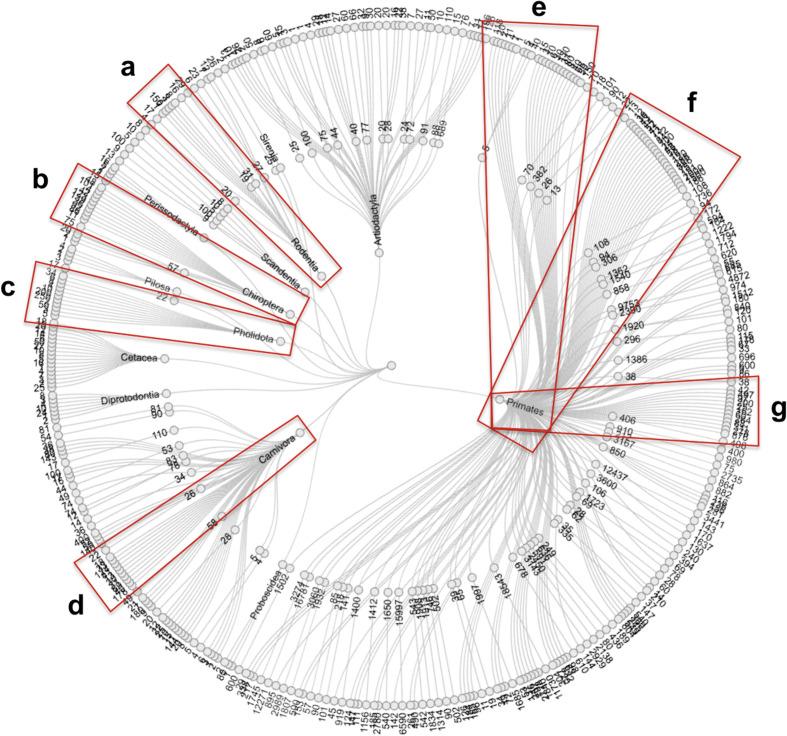
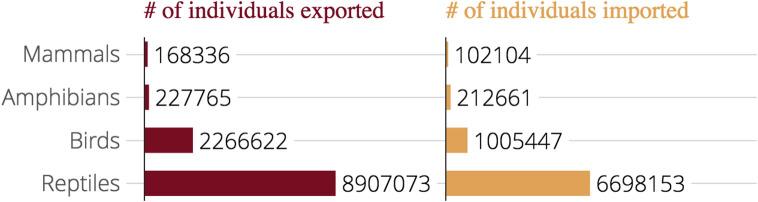
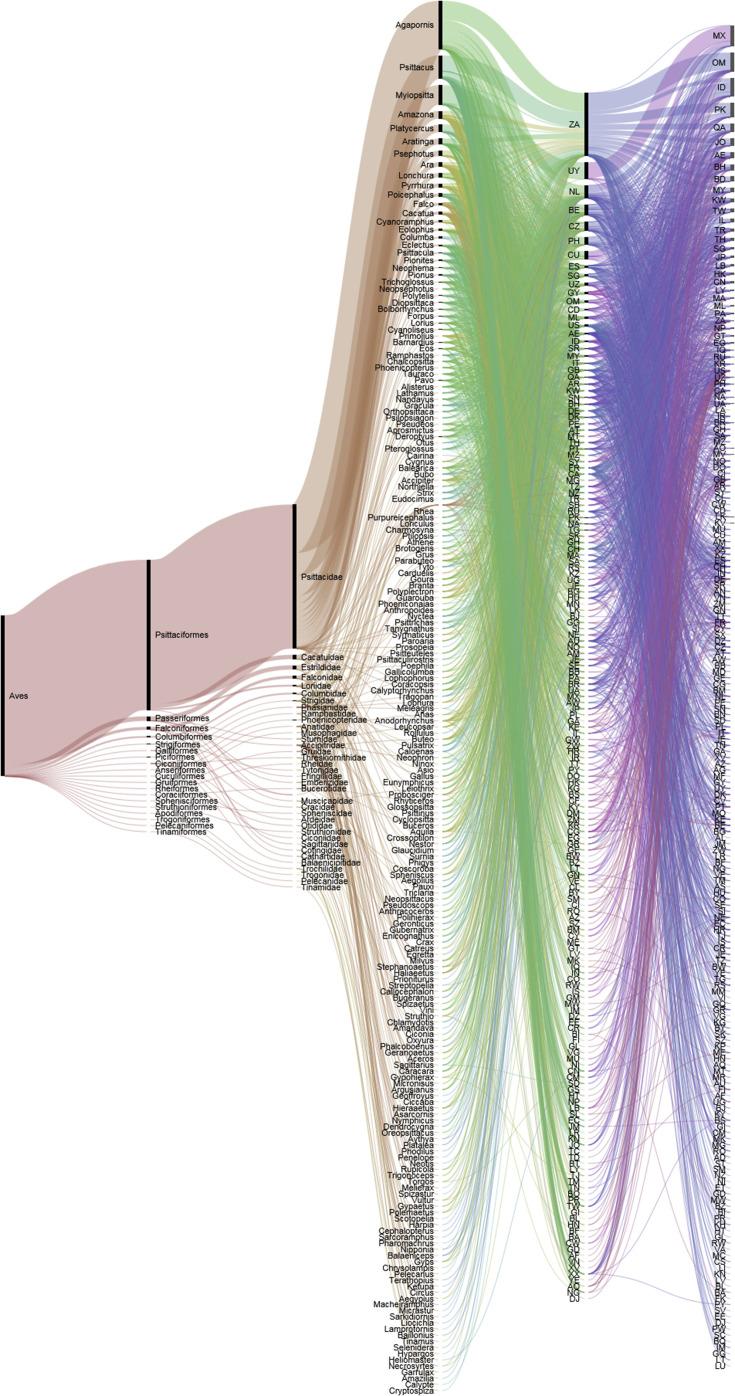
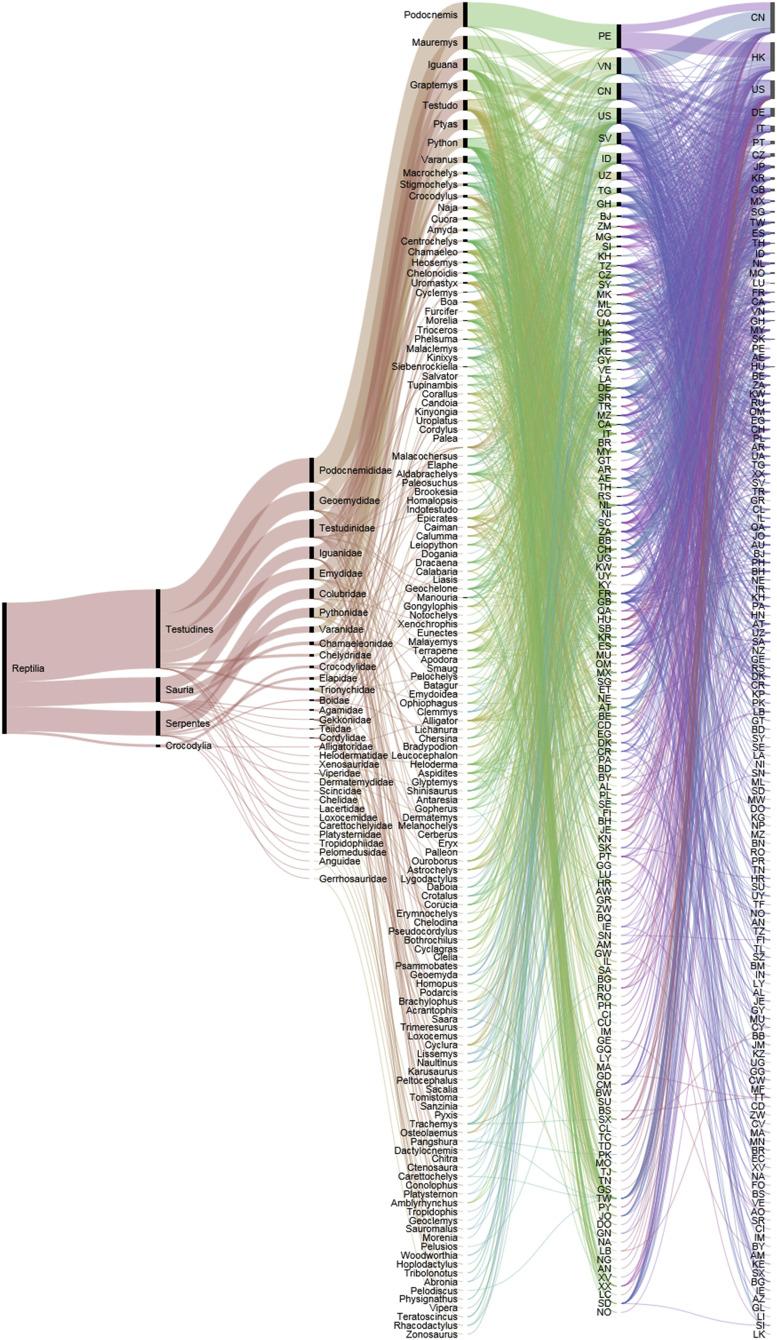
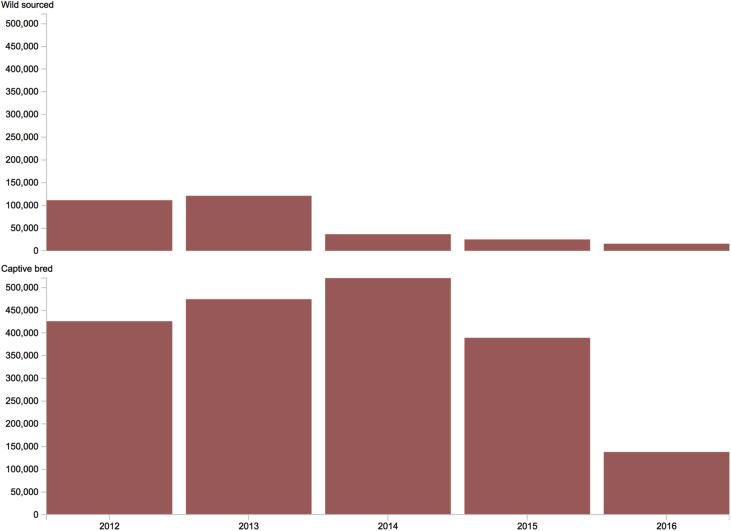
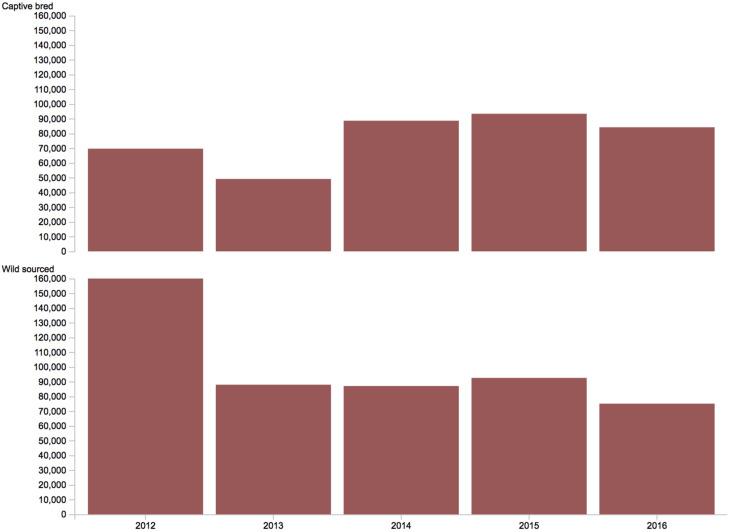
Zoonotic diseases cause millions of deaths every year. Diseases such as Ebola, severe acute respiratory syndrome (SARS), and avian influenza cause economic losses at the global level and jeopardize diplomatic relations between countries. As wildlife are the source of at least 70% of all emerging diseases and given the on-going concerns associated with wildlife trade as a disease transmission mechanism, we provide a 'global snapshot' of the legal trade in live wild animals and take stock of the potential health risks that it poses to global human health. Our analysis showed that 11,569,796 individual live wild animals, representing 1316 different species were exported from 189 different countries between 2012 and 2016. China was the largest exporter of live mammals (with 98,979 animals representing 58.7% of global trade). Nicaragua was the largest exporter of live amphibians (with 122,592 animals representing 53.8% of global trade). South Africa was the largest exporter of live birds (with 889,607 animals representing 39.2% of global trade). Peru was the largest exporter of live reptiles (with 1,675,490 animals representing 18.8% of global trade). Our analysis showed that mostly the USA and other high-income countries, the largest importers, drive the live animal trade. High-income countries and not the countries where wildlife diseases and pathogens are more likely to occur reported almost all of the disease reports to the World Organisation for Animal Health. Based on our findings, we discuss how maximising trade bans; working on human behaviour change and improving regulatory efforts to improve surveillance will decrease the risk of future pandemics, epidemics and outbreaks.
人畜共患疾病每年导致数百万人死亡。埃博拉、严重急性呼吸综合征(SARS)和禽流感等疾病在全球范围内造成经济损失,并危及国家间的外交关系。由于野生动物是至少70%新发疾病的源头,且鉴于人们持续关注野生动物贸易作为一种疾病传播机制,我们提供了一份活体野生动物合法贸易的“全球概况”,并评估其对全球人类健康构成的潜在健康风险。我们的分析表明,2012年至2016年间,有11569796只代表1316个不同物种的活体野生动物从189个不同国家出口。中国是活体哺乳动物的最大出口国(98979只,占全球贸易的58.7%)。尼加拉瓜是活体两栖动物的最大出口国(122592只,占全球贸易的53.8%)。南非是活体鸟类的最大出口国(889607只,占全球贸易的39.2%)。秘鲁是活体爬行动物的最大出口国(1675,490只,占全球贸易的18.8%)。我们的分析表明,主要是美国和其他高收入国家,作为最大的进口国,推动了活体动物贸易。高收入国家而非野生动物疾病和病原体更可能发生的国家,几乎向世界动物卫生组织报告了所有疾病报告。基于我们的研究结果,我们讨论了如何最大限度地实施贸易禁令;致力于改变人类行为并加强监管努力以改善监测,将降低未来大流行、流行病和疫情爆发的风险。






 Zotero 插件