
高密度脂蛋白在血管内皮细胞代谢和糖尿病受损血管生成中的作用。
The Role of High-Density Lipoproteins in Endothelial Cell Metabolism and Diabetes-Impaired Angiogenesis.
机构信息
Faculty of Health and Medical Sciences, University of Adelaide, Adelaide 5000, South Australia, Australia.
Vascular Research Centre, South Australian Health and Medical Research Centre, Adelaide 5000, South Australia, Australia.
出版信息
Int J Mol Sci. 2020 May 21;21(10):3633. doi: 10.3390/ijms21103633.
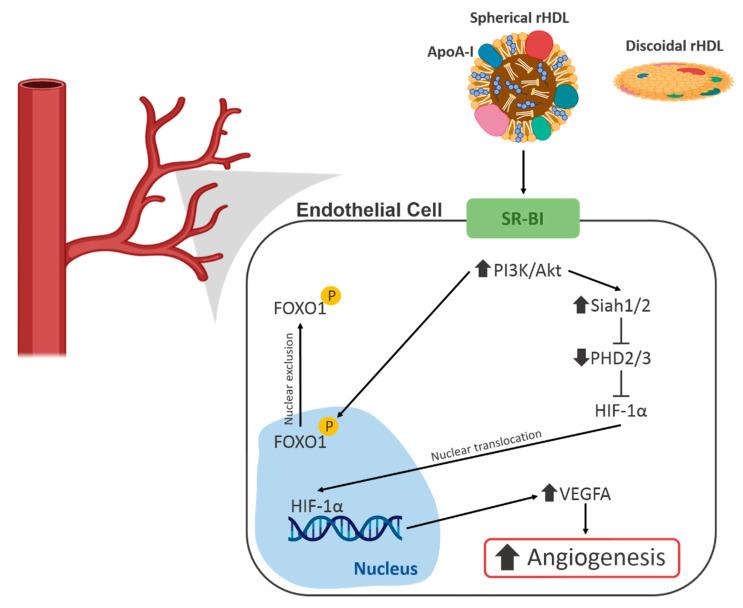
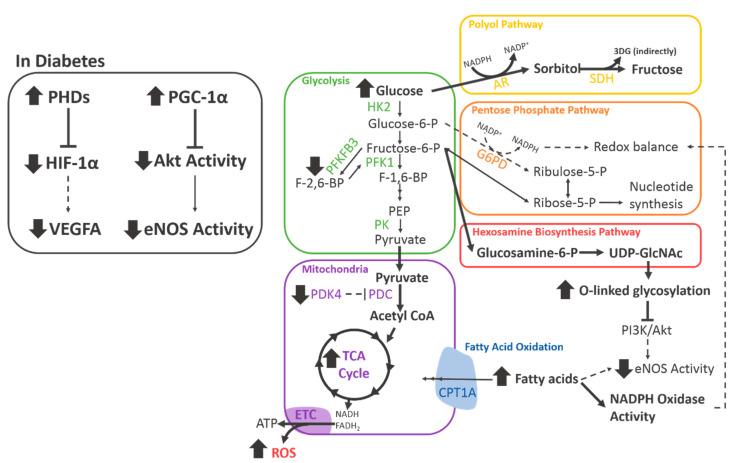
Diabetes mellitus affects millions of people worldwide and is associated with devastating vascular complications. A number of these complications, such as impaired wound healing and poor coronary collateral circulation, are characterised by impaired ischaemia-driven angiogenesis. There is increasing evidence that high-density lipoproteins (HDL) can rescue diabetes-impaired angiogenesis through a number of mechanisms, including the modulation of endothelial cell metabolic reprogramming. Endothelial cell metabolic reprogramming in response to tissue ischaemia is a driver of angiogenesis and is dysregulated by diabetes. Specifically, diabetes impairs pathways that allow endothelial cells to upregulate glycolysis in response to hypoxia adequately and impairs suppression of mitochondrial respiration. HDL rescues the impairment of the central hypoxia signalling pathway, which regulates these metabolic changes, and this may underpin several of its known pro-angiogenic effects. This review discusses the current understanding of endothelial cell metabolism and how diabetes leads to its dysregulation whilst examining the various positive effects of HDL on endothelial cell function.
糖尿病影响着全球数百万人,并且与严重的血管并发症有关。这些并发症中的许多,如伤口愈合不良和冠状动脉侧支循环不良,其特征是缺血驱动的血管生成受损。越来越多的证据表明,高密度脂蛋白(HDL)可以通过多种机制挽救糖尿病引起的血管生成受损,包括调节内皮细胞代谢重编程。内皮细胞对组织缺血的代谢重编程是血管生成的驱动力,并受到糖尿病的失调影响。具体来说,糖尿病会损害使内皮细胞在缺氧时充分上调糖酵解的途径,并损害对线粒体呼吸的抑制。HDL 可挽救调节这些代谢变化的中央缺氧信号通路的损伤,这可能是其已知的多种促血管生成作用的基础。本文讨论了目前对内皮细胞代谢的理解,以及糖尿病如何导致其失调,同时还研究了 HDL 对内皮细胞功能的各种积极影响。


 Zotero 插件