
水合镁磷灰石对水中 Zn(II)的净化行为:表面络合和溶解-沉淀。
Purification Behavior of Zn(II) in Water by Magnesium Hydroxyapatite: Surface Complexation, and Dissolution-Precipitation.
机构信息
Collaborative Innovation Center for Water Pollution Control and Water Safety in Karst Area, Guilin University of Technology, Guilin 541004, China.
Guangxi Key Laboratory of Environmental Pollution Control Theory and Technology, Guilin University of Technology, Guilin 541004, China.
出版信息
Int J Environ Res Public Health. 2020 May 27;17(11):3804. doi: 10.3390/ijerph17113804.
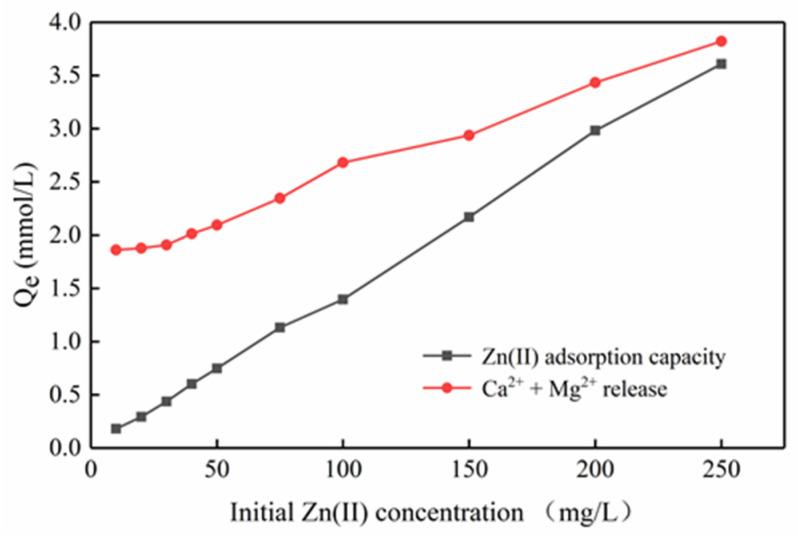
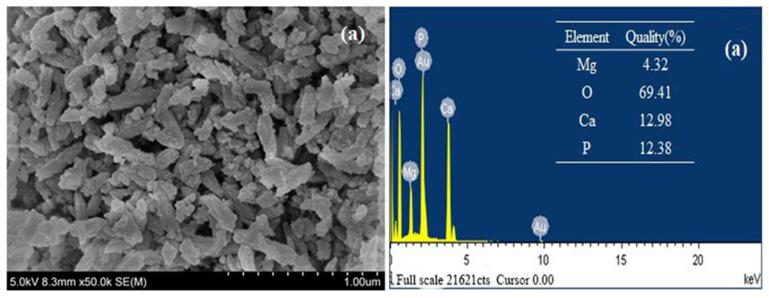
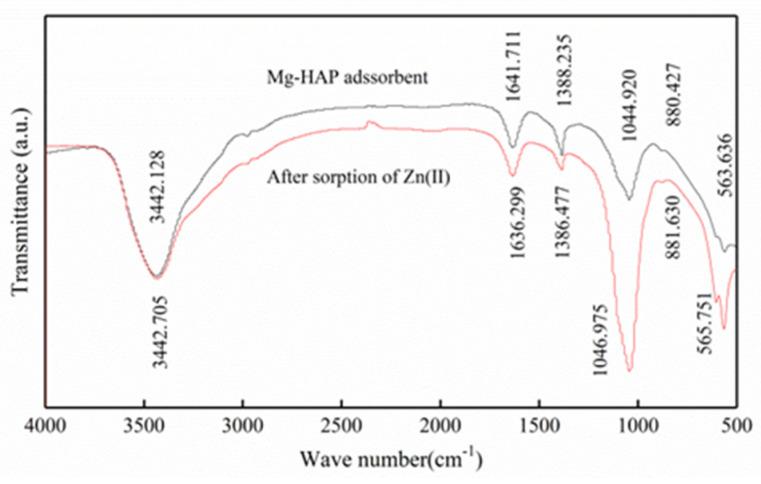
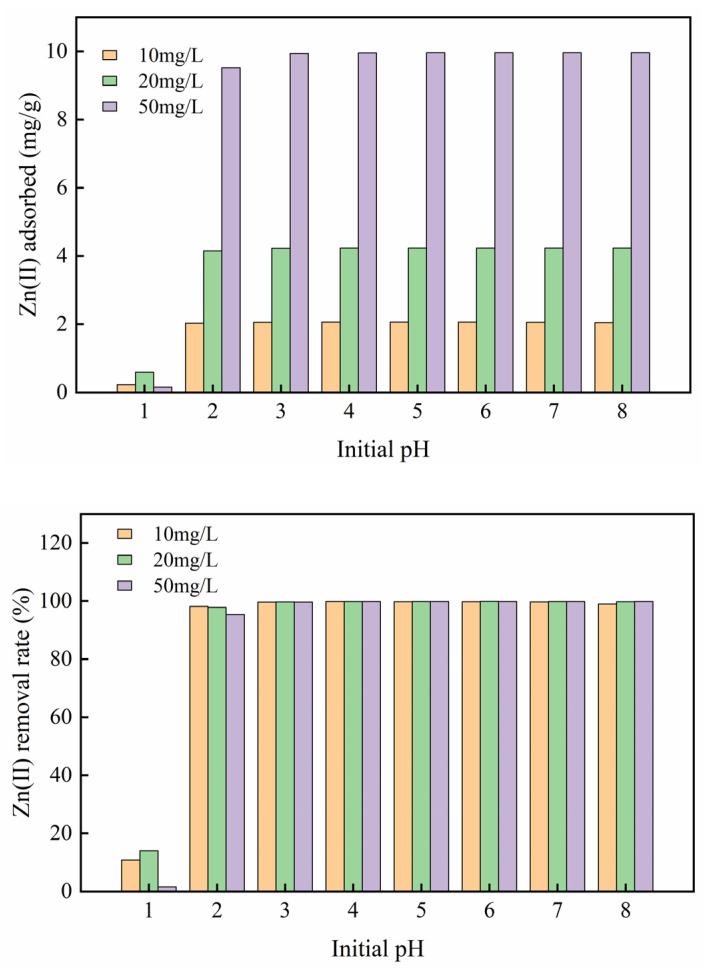
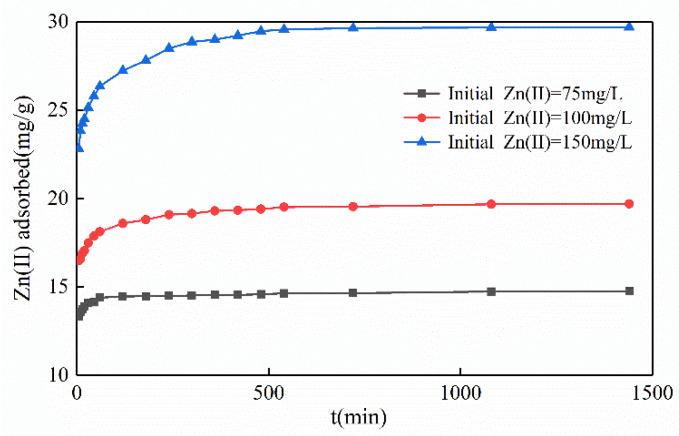
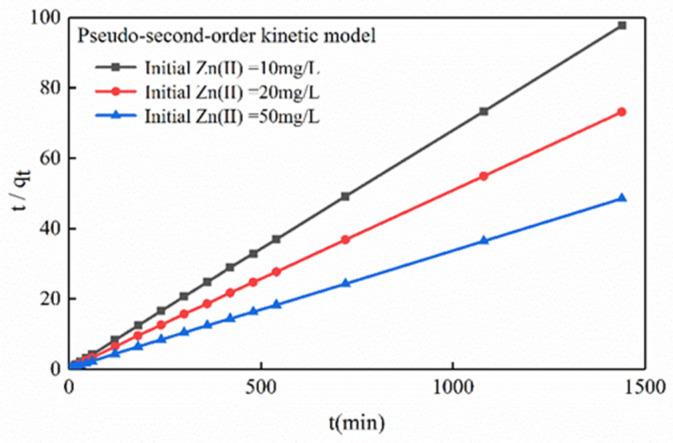
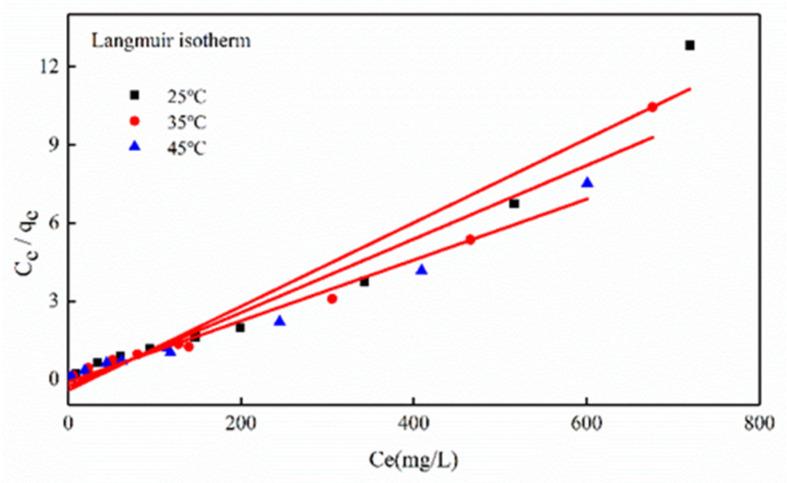
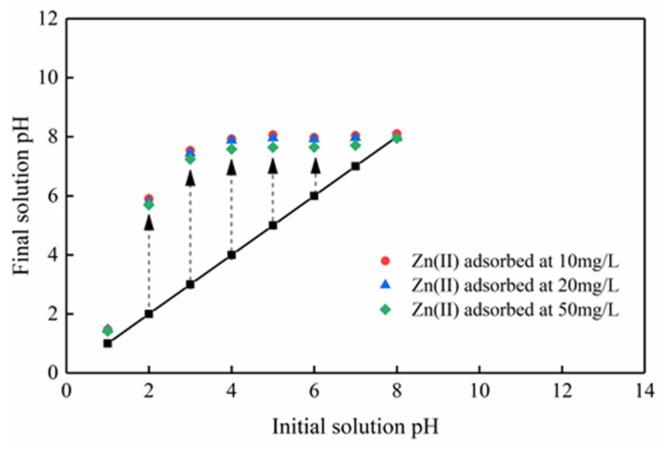
As an innovative and economical material, hydroxyapatite does little harm to the environment. In this study, a magnesium hydroxyapatite (Mg-HAP) adsorbent was prepared by doping magnesium. Magnesium doping can increase the hydroxyl groups on the surface of Mg-HAP to form more adsorption sites and improve the removal effect of the heavy metal Zn(II) in water. This study was implemented to survey the effect of different sorption elements, including the liquor initial pH, initial concentration, dose of adsorbents, and other factors, on the adsorption effect. The outcomes show that the sorption effect was best at the time that the liquor was weakly acidic (pH = 6); At a pH of 6, the temperature of 25 °C when the optimal dosage of adsorbent is 0.25 g, the maximum adsorption amount is 62.11 mg/g. Through data fitting, the adsorption process can be accurately described as a pseudo-second-order dynamics model and the Langmuir isotherm equation. According to the thermodynamic analysis, the sorption of zinc ions by Mg-HAP belongs to the process of spontaneous endothermic and entropy increase, and the increase of temperature was conducive to adsorption. Material characterization and analysis indicate that surface complexation and dissolution-precipitation was the main mechanism for adsorption of Zn(II).
羟基磷灰石作为一种创新且经济的材料,对环境的危害较小。本研究通过掺杂镁制备了一种镁羟基磷灰石(Mg-HAP)吸附剂。镁掺杂可以增加 Mg-HAP 表面的羟基基团,形成更多的吸附位点,提高水中重金属 Zn(II)的去除效果。本研究旨在考察不同吸附元素(包括初始 pH 值、初始浓度、吸附剂用量等因素)对吸附效果的影响。结果表明,在弱酸性(pH=6)条件下,吸附效果最佳;在 pH=6 时,当吸附剂用量为 0.25 g、温度为 25°C 时,最大吸附量为 62.11mg/g。通过数据拟合,吸附过程可以准确地描述为准二级动力学模型和 Langmuir 等温方程。根据热力学分析,Mg-HAP 对锌离子的吸附属于自发吸热和熵增加的过程,升高温度有利于吸附。材料表征和分析表明,表面络合和溶解-沉淀是吸附 Zn(II)的主要机制。



 Zotero 插件