
Characterization and comparative DNA methylation profiling of four adipogenic genes in adipose-derived stem cells and dedifferentiated fat cells from aging subjects.
Characterization and comparative DNA methylation profiling of four adipogenic genes in adipose-derived stem cells and dedifferentiated fat cells from aging subjects.
机构信息
Department of Oral Medicine and Periodontology, Faculty of Dentistry, Mahidol University, 6 Yothi Street Rajthevi, Bangkok, 10400, Thailand.
Department of Surgery, Jikei University School of Medicine, Tokyo, 105-0003, Japan.
出版信息
Hum Cell. 2020 Oct;33(4):974-989. doi: 10.1007/s13577-020-00379-x. Epub 2020 Jun 3.
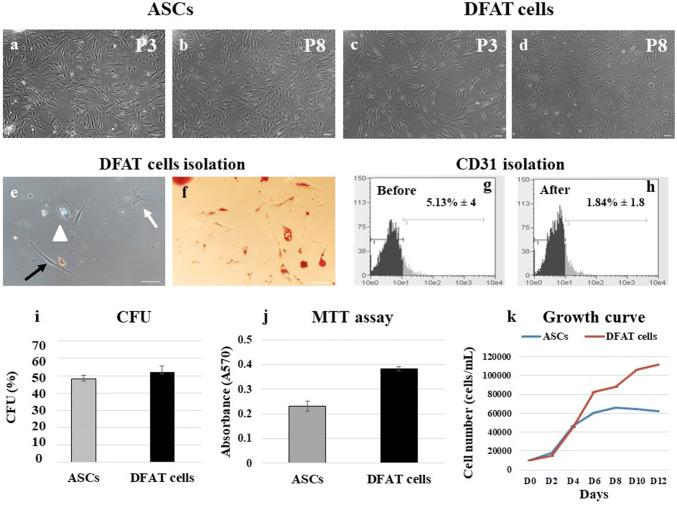
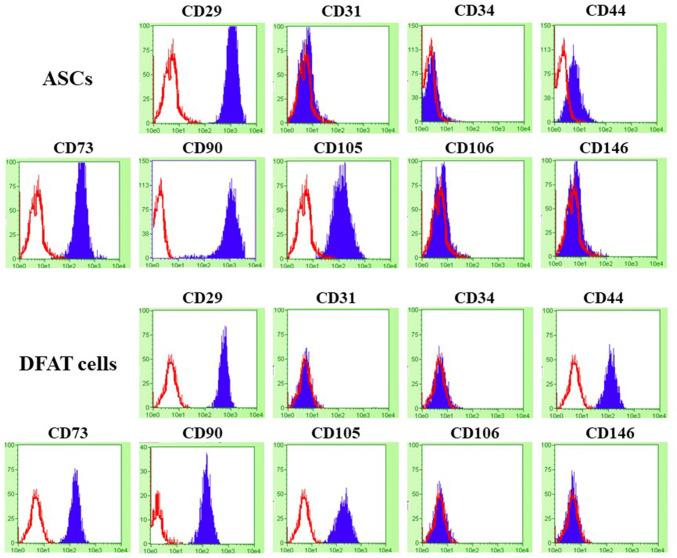
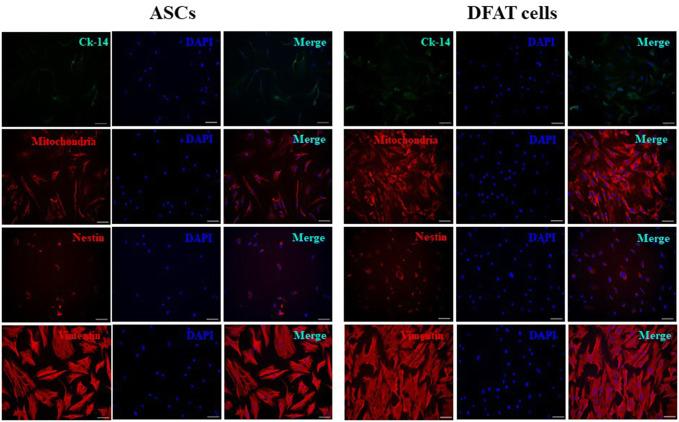
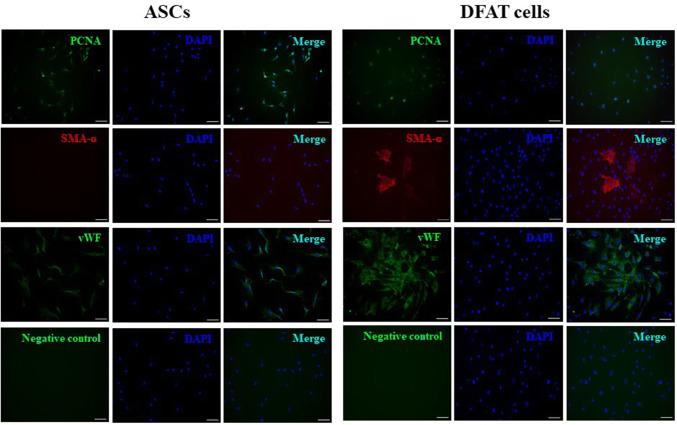
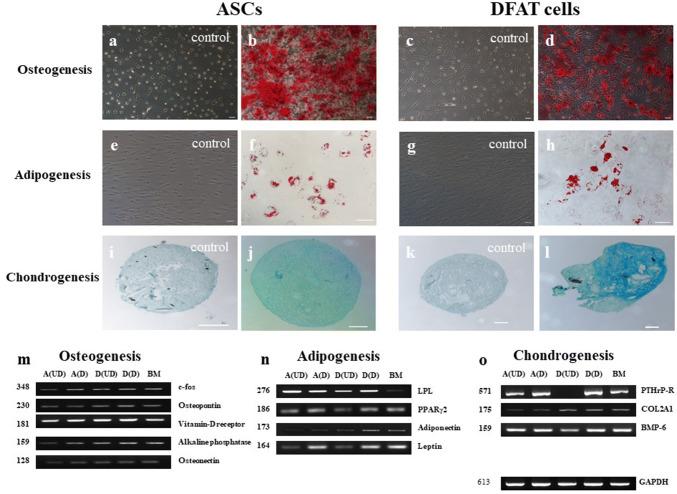
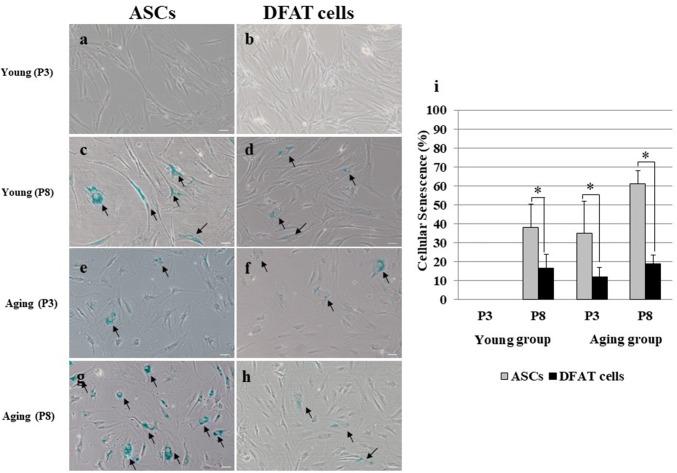
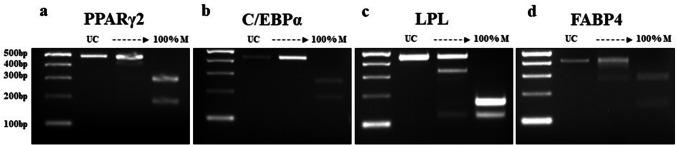
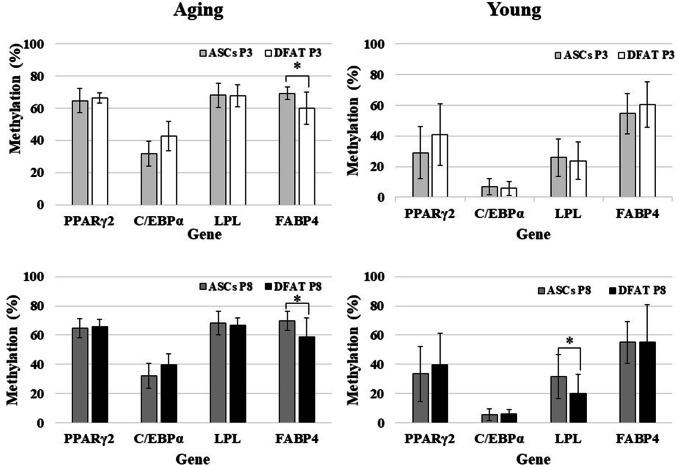
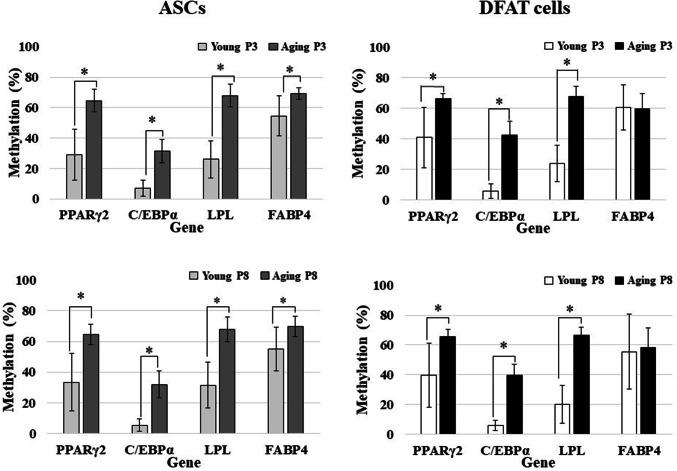
Adipose-derived stem cells (ASCs) and dedifferentiated fat (DFAT) cells are alternative cell sources in tissue engineering and regeneration because they are easily obtained and exhibit multilineage differentiation. However, aging may attenuate their regenerative potential and metabolic functions. Reports characterizing DFAT cells derived from aging donors are rare, and comparisons of DNA methylation profiles between aging ASCs and DFAT cells are poorly understood. Therefore, this study aimed to characterize DFAT cells relative to ASCs derived from aging subjects and compare the DNA methylation profiles of four adipogenic genes in these cells. ASCs and DFAT cells from aging donors exhibited characteristics similar to those of stem cells, including colony formation, proliferation, and multilineage differentiation abilities. However, compared with ASCs, DFAT cells exhibited increased proliferation, smooth muscle actin alpha (SMA-α) expression and decreased cellular senescence. DNA methylation profiling of ASCs and DFAT cells by combined bisulfite restriction analysis (COBRA) demonstrated hypermethylation patterns in three potent adipogenic genes-peroxisome proliferator-activated receptor gamma 2 (PPARγ2), fatty acid-binding protein 4 (FABP4), and lipoprotein lipase (LPL)-but hypomethylation of CCAAT/enhancer binding protein alpha (C/EBPα) in the aging group. Statistically significant differences were observed between the aging group and the young group. Epigenetic regulation maintains the stability of ASCs and DFAT cells in an age-dependent manner. Our findings suggested that although the DNA methylation patterns of three adipogenic genes correlated with hypermethylation and aging, ASCs and DFAT cells exhibited cellular stability and several stem cell characteristics, offering further opportunities for personalized regeneration and energy maintenance by adipogenesis during aging.
脂肪来源干细胞(ASCs)和去分化脂肪(DFAT)细胞是组织工程和再生的替代细胞来源,因为它们易于获得并且具有多能分化能力。然而,衰老可能会减弱它们的再生潜力和代谢功能。关于源自衰老供体的 DFAT 细胞的报道很少,并且对衰老 ASC 和 DFAT 细胞之间的 DNA 甲基化谱的比较了解甚少。因此,本研究旨在表征相对于衰老供体来源的 ASC 的 DFAT 细胞,并比较这些细胞中四个脂肪生成基因的 DNA 甲基化谱。衰老供体来源的 ASC 和 DFAT 细胞表现出与干细胞相似的特征,包括集落形成、增殖和多能分化能力。然而,与 ASC 相比,DFAT 细胞表现出增殖增加、平滑肌肌动蛋白α(SMA-α)表达增加和细胞衰老减少。通过联合亚硫酸氢盐限制性分析(COBRA)对 ASC 和 DFAT 细胞进行 DNA 甲基化谱分析表明,在三个强效脂肪生成基因-过氧化物酶体增殖物激活受体γ 2(PPARγ2)、脂肪酸结合蛋白 4(FABP4)和脂蛋白脂肪酶(LPL)-中观察到超甲基化模式,但在衰老组中 CCAAT/增强子结合蛋白α(C/EBPα)呈低甲基化。在衰老组和年轻组之间观察到统计学上的显著差异。表观遗传调控以依赖年龄的方式维持 ASC 和 DFAT 细胞的稳定性。我们的研究结果表明,尽管三个脂肪生成基因的 DNA 甲基化模式与超甲基化和衰老相关,但 ASC 和 DFAT 细胞表现出细胞稳定性和几种干细胞特征,为通过脂肪生成在衰老期间进行个性化再生和能量维持提供了进一步的机会。

 Zotero 插件