
抗精神病药对突触可塑性基因的影响取决于其受体谱、剂量、治疗持续时间和靶向脑区的组合。
The Effects of Antipsychotics on the Synaptic Plasticity Gene Depend on a Combination of Their Receptor Profile, Dose, Duration of Treatment, and Brain Regions Targeted.
机构信息
Laboratory of Molecular and Translational Psychiatry and Unit of Treatment Resistant Psychosis, Section of Psychiatry, Department of Neuroscience, Reproductive Science, and Odontostomatology, University of Naples Federico II, 80131 Napoli, Italy.
Lundbeck LLC, Deerfield, IL 60015, USA.
出版信息
Int J Mol Sci. 2020 Aug 3;21(15):5555. doi: 10.3390/ijms21155555.
BACKGROUND
Antipsychotic agents modulate key molecules of the postsynaptic density (PSD), including the gene, implicated in dendritic spine architecture. How the antipsychotic receptor profile, dose, and duration of administration may influence synaptic plasticity and the pattern of expression is yet to be determined.
METHODS
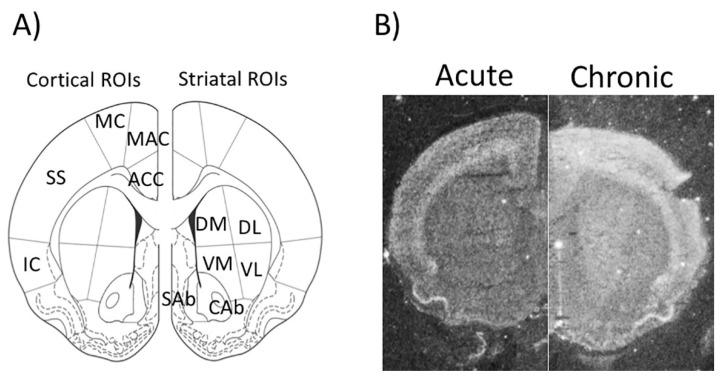
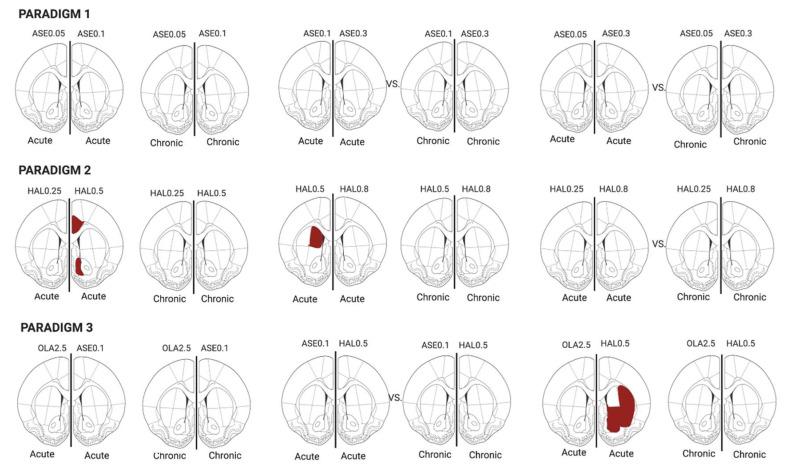
In situ hybridization for was performed on rat tissue sections from cortical and striatal regions of interest (ROI) after acute or chronic administration of three antipsychotics with divergent receptor profile: Haloperidol, asenapine, and olanzapine. Univariate and multivariate analyses of the effects of topography, treatment, dose, and duration of antipsychotic administration were performed.
RESULTS
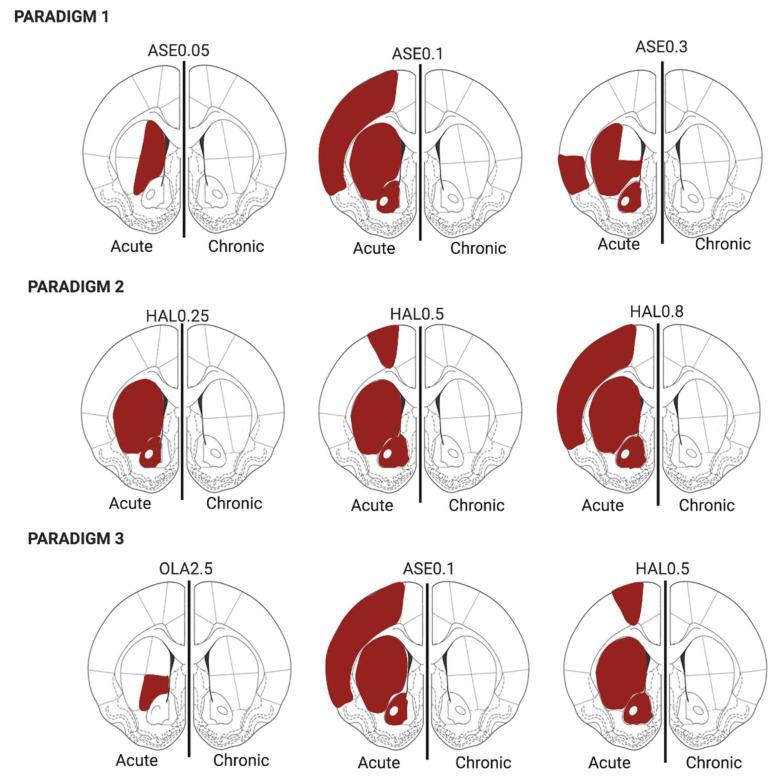
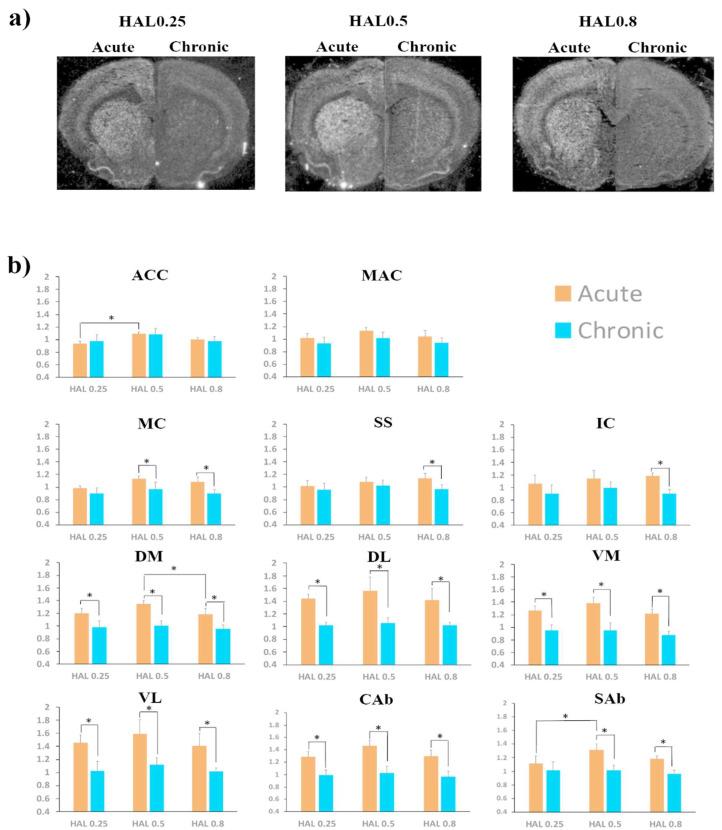
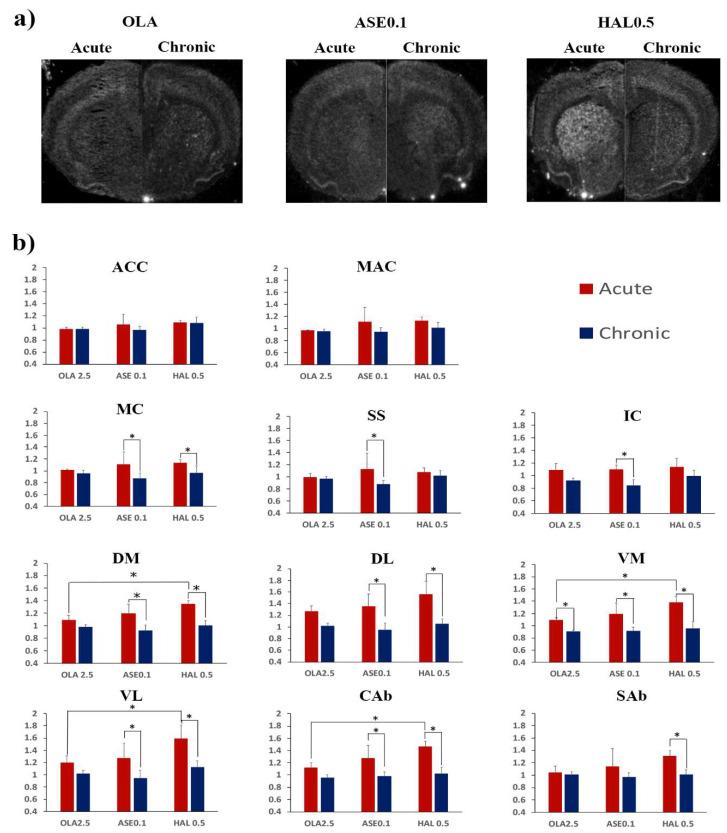
All acute treatment regimens were found to induce a consistently higher expression of compared to chronic ones. Haloperidol increased expression compared to olanzapine in striatum at the acute time-point. A dose effect was also observed for acute administration of haloperidol.
CONCLUSIONS
Biological effects of antipsychotics on varied strongly depending on the combination of their receptor profile, dose, duration of administration, and throughout the different brain regions. These molecular data may have translational valence and may reflect behavioral sensitization/tolerance phenomena observed with prolonged antipsychotics.
背景
抗精神病药物调节突触后密度(PSD)的关键分子,包括与树突棘结构有关的基因。抗精神病药物受体谱、剂量和给药时间如何影响突触可塑性和表达模式尚待确定。
方法
在急性或慢性给予三种具有不同受体谱的抗精神病药物(氟哌啶醇、阿塞那平、奥氮平)后,对大鼠皮质和纹状体感兴趣区(ROI)的组织切片进行基因原位杂交。对地形、治疗、抗精神病药物剂量和给药时间的影响进行单变量和多变量分析。
结果
与慢性治疗相比,所有急性治疗方案均发现诱导表达增加。与奥氮平相比,氟哌啶醇在急性时增加了纹状体中的表达。急性给予氟哌啶醇也观察到剂量效应。
结论
抗精神病药物对基因的生物学效应强烈取决于其受体谱、剂量、给药时间以及不同脑区的组合。这些分子数据可能具有转化价值,并可能反映出与长期使用抗精神病药物相关的行为敏感化/耐受现象。

 Zotero 插件