
抗精神病药物引起的突触结构和功能连接变化:对治疗反应和耐药性的转化意义
Antipsychotics-Induced Changes in Synaptic Architecture and Functional Connectivity: Translational Implications for Treatment Response and Resistance.
作者信息
de Bartolomeis Andrea, De Simone Giuseppe, Ciccarelli Mariateresa, Castiello Alessia, Mazza Benedetta, Vellucci Licia, Barone Annarita
机构信息
Section of Psychiatry, Laboratory of Translational and Molecular Psychiatry and Unit of Treatment-Resistant Psychosis, Department of Neuroscience, Reproductive Sciences and Odontostomatology, University Medical School of Naples "Federico II", Via Pansini 5, 80131 Naples, Italy.
出版信息
Biomedicines. 2022 Dec 8;10(12):3183. doi: 10.3390/biomedicines10123183.
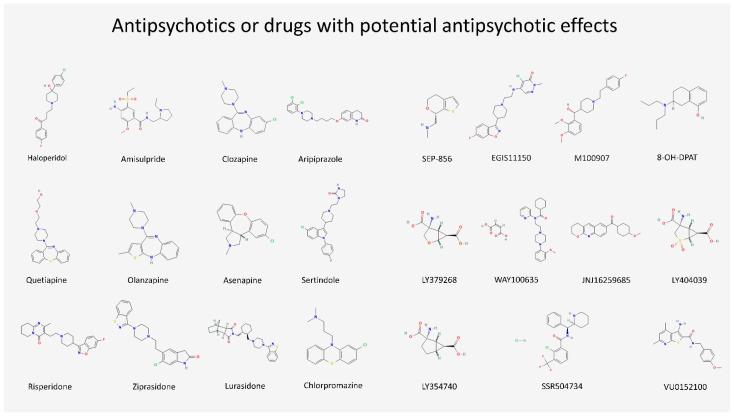
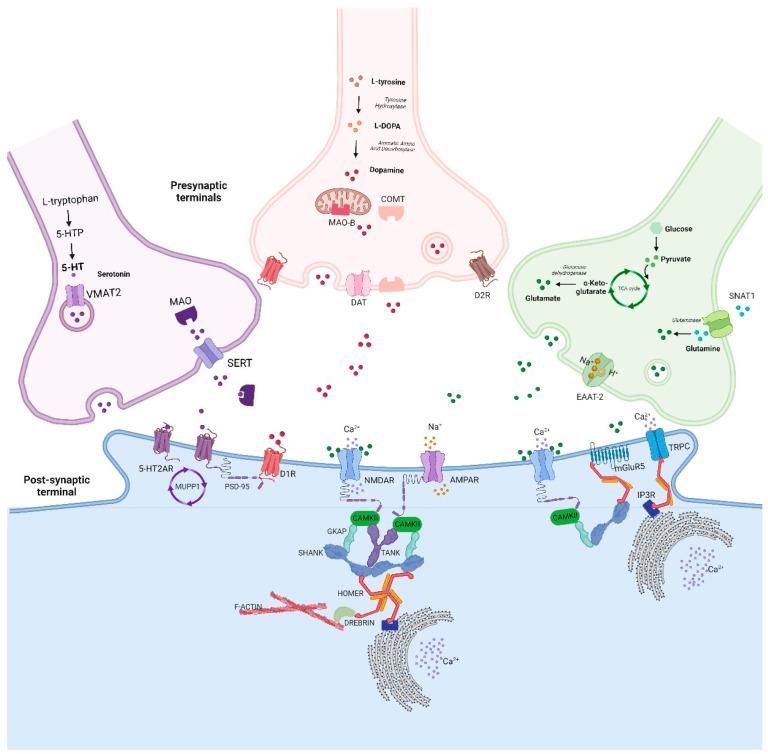
Schizophrenia is a severe mental illness characterized by alterations in processes that regulate both synaptic plasticity and functional connectivity between brain regions. Antipsychotics are the cornerstone of schizophrenia pharmacological treatment and, beyond occupying dopamine D2 receptors, can affect multiple molecular targets, pre- and postsynaptic sites, as well as intracellular effectors. Multiple lines of evidence point to the involvement of antipsychotics in sculpting synaptic architecture and remodeling the neuronal functional unit. Furthermore, there is an increasing awareness that antipsychotics with different receptor profiles could yield different interregional patterns of co-activation. In the present systematic review, we explored the fundamental changes that occur under antipsychotics' administration, the molecular underpinning, and the consequences in both acute and chronic paradigms. In addition, we investigated the relationship between synaptic plasticity and functional connectivity and systematized evidence on different topographical patterns of activation induced by typical and atypical antipsychotics.
精神分裂症是一种严重的精神疾病,其特征在于调节突触可塑性和脑区之间功能连接的过程发生改变。抗精神病药物是精神分裂症药物治疗的基石,除了占据多巴胺D2受体外,还可影响多个分子靶点、突触前和突触后位点以及细胞内效应器。多条证据表明抗精神病药物参与塑造突触结构和重塑神经元功能单元。此外,人们越来越意识到,具有不同受体谱的抗精神病药物可能产生不同的区域间共激活模式。在本系统评价中,我们探讨了抗精神病药物给药后发生的基本变化、分子基础以及急性和慢性模式下的后果。此外,我们研究了突触可塑性与功能连接之间的关系,并系统整理了关于典型和非典型抗精神病药物诱导的不同激活地形模式的证据。


 Zotero 插件