
基因组规模代谢模型突出了克氏锥虫中特定阶段必需代谢途径的差异。
Genome-scale metabolic models highlight stage-specific differences in essential metabolic pathways in Trypanosoma cruzi.
机构信息
Skaggs School of Pharmacy and Pharmaceutical Sciences, UC San Diego, La Jolla, California, United States of America.
Department of Bioengineering, UC San Diego, La Jolla, California, United States of America.
出版信息
PLoS Negl Trop Dis. 2020 Oct 6;14(10):e0008728. doi: 10.1371/journal.pntd.0008728. eCollection 2020 Oct.
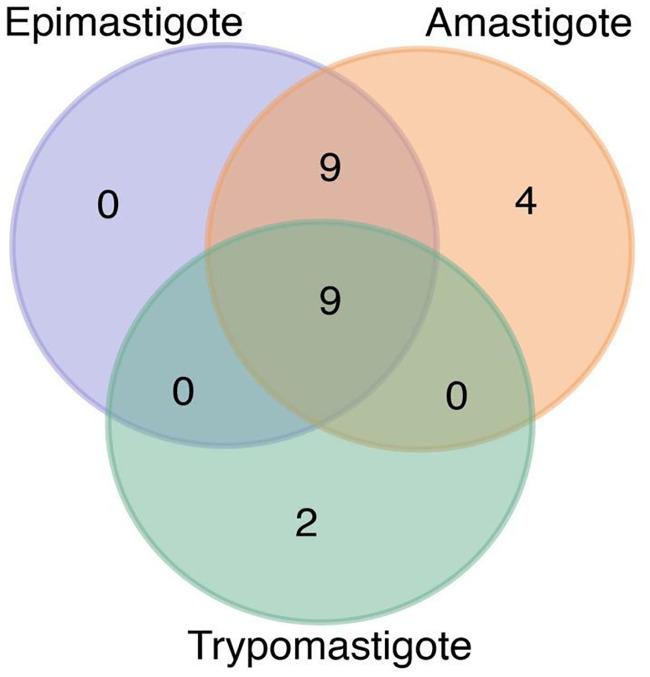
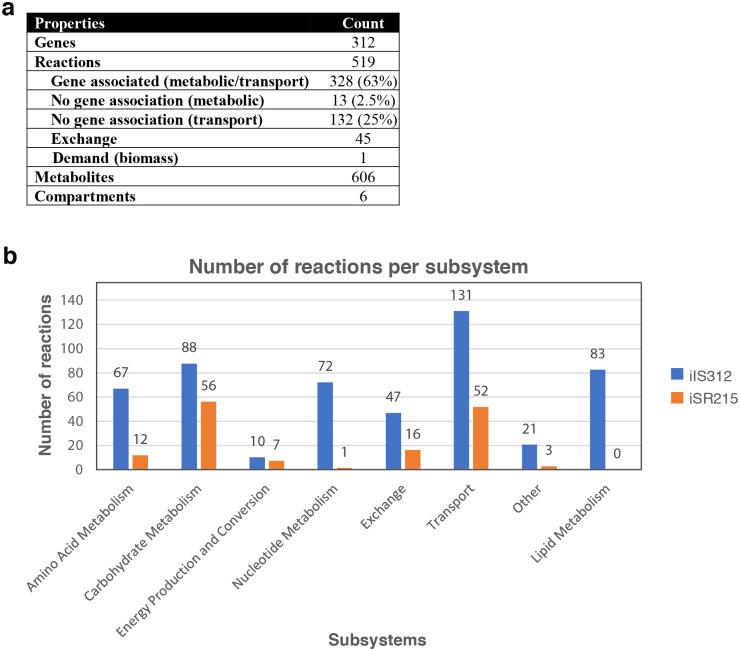
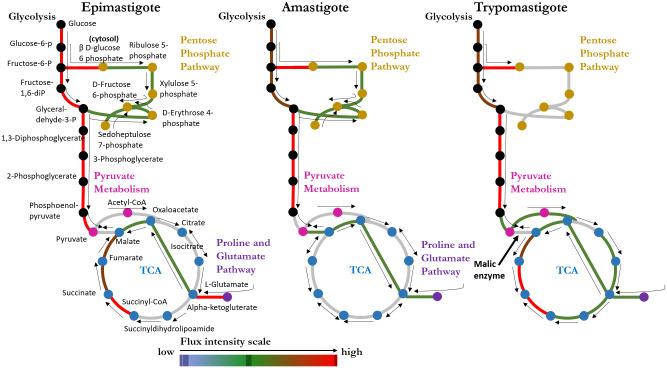
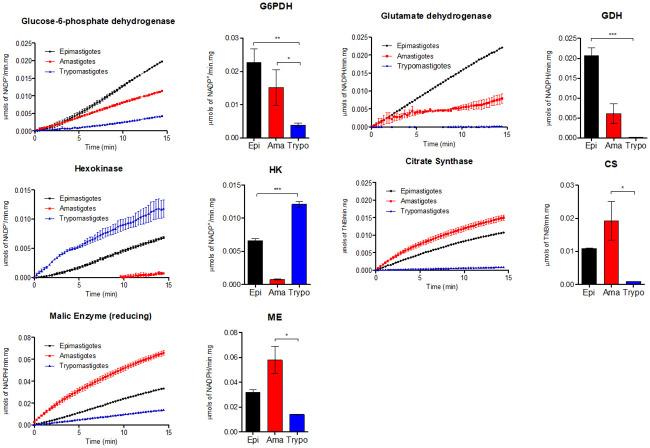
Chagas disease is a neglected tropical disease and a leading cause of heart failure in Latin America caused by a protozoan called Trypanosoma cruzi. This parasite presents a complex multi-stage life cycle. Anti-Chagas drugs currently available are limited to benznidazole and nifurtimox, both with severe side effects. Thus, there is a need for alternative and more efficient drugs. Genome-scale metabolic models (GEMs) can accurately predict metabolic capabilities and aid in drug discovery in metabolic genes. This work developed an extended GEM, hereafter referred to as iIS312, of the published and validated T. cruzi core metabolism model. From iIS312, we then built three stage-specific models through transcriptomics data integration, and showed that epimastigotes present the most active metabolism among the stages (see S1-S4 GEMs). Stage-specific models predicted significant metabolic differences among stages, including variations in flux distribution in core metabolism. Moreover, the gene essentiality predictions suggest potential drug targets, among which some have been previously proven lethal, including glutamate dehydrogenase, glucokinase and hexokinase. To validate the models, we measured the activity of enzymes in the core metabolism of the parasite at different stages, and showed the results were consistent with model predictions. Our results represent a potential step forward towards the improvement of Chagas disease treatment. To our knowledge, these stage-specific models are the first GEMs built for the stages Amastigote and Trypomastigote. This work is also the first to present an in silico GEM comparison among different stages in the T. cruzi life cycle.
恰加斯病是一种被忽视的热带病,也是拉丁美洲心力衰竭的主要病因,由一种叫做克氏锥虫的原生动物引起。这种寄生虫具有复杂的多阶段生命周期。目前可用的抗恰加斯病药物仅限于苯并咪唑和硝呋替莫,两者都有严重的副作用。因此,需要替代的、更有效的药物。基因组规模代谢模型(GEM)可以准确预测代谢能力,并有助于发现代谢基因中的药物。这项工作开发了一个扩展的 GEM,以下简称 iIS312,它是已发表和验证的克氏锥虫核心代谢模型的扩展。从 iIS312 中,我们通过转录组学数据整合构建了三个阶段特异性模型,并表明在各个阶段中,epimastigotes 表现出最活跃的代谢(参见 S1-S4 GEMs)。阶段特异性模型预测了不同阶段之间的显著代谢差异,包括核心代谢中通量分布的变化。此外,基因必需性预测提示了潜在的药物靶点,其中一些已被证明是致命的,包括谷氨酸脱氢酶、葡萄糖激酶和己糖激酶。为了验证模型,我们测量了寄生虫不同阶段核心代谢中酶的活性,并表明结果与模型预测一致。我们的研究结果代表了在改善恰加斯病治疗方面的潜在进展。据我们所知,这些阶段特异性模型是为阿米巴和鞭毛体阶段构建的第一个 GEM。这项工作也是首次在克氏锥虫生命周期的不同阶段进行了计算机模拟 GEM 比较。


 Zotero 插件