
克服小干扰RNA疗法的障碍:从实验室到临床应用
Overcoming Barriers for siRNA Therapeutics: From Bench to Bedside.
作者信息
Sajid Muhammad Imran, Moazzam Muhammad, Kato Shun, Yeseom Cho Kayley, Tiwari Rakesh Kumar
机构信息
Center for Targeted Drug Delivery, Department of Biomedical and Pharmaceutical Sciences, Chapman University School of Pharmacy, Harry and Diane Rinker Health Science Campus, Irvine, CA 92618, USA.
Faculty of Pharmacy, University of Central Punjab, Lahore 54000, Pakistan.
出版信息
Pharmaceuticals (Basel). 2020 Oct 7;13(10):294. doi: 10.3390/ph13100294.
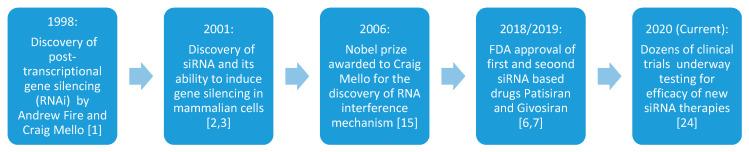
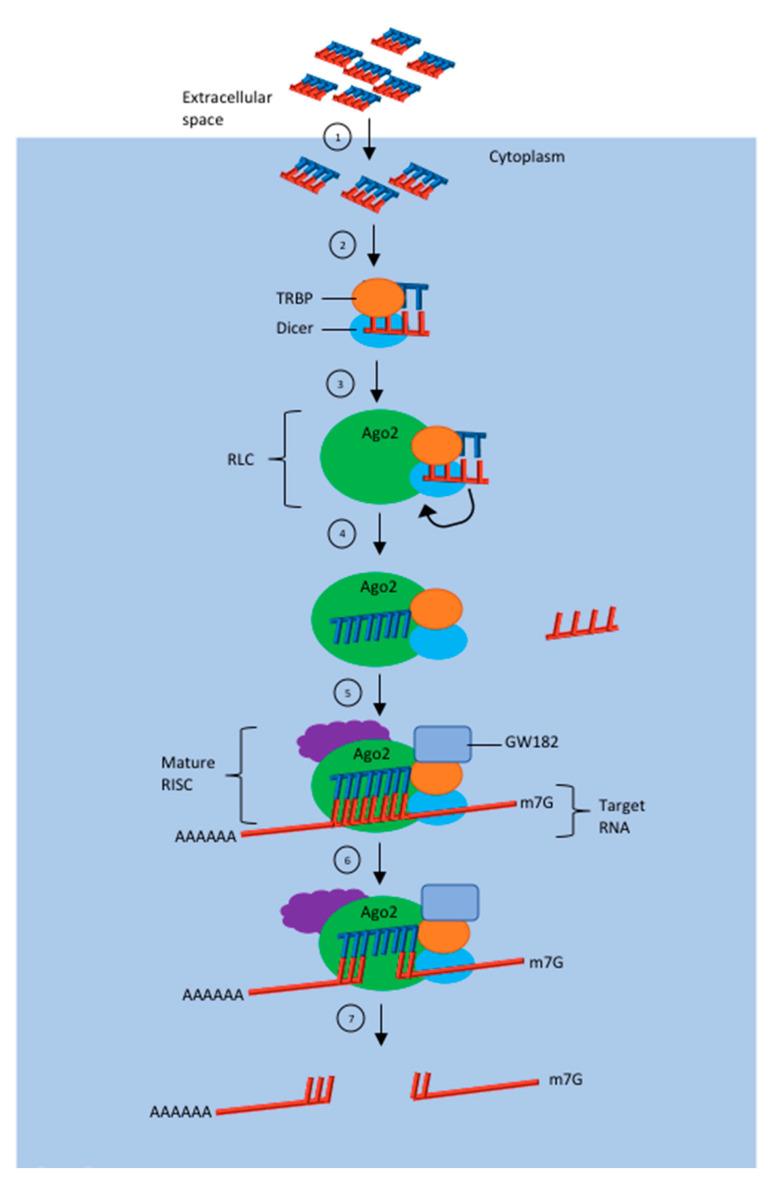
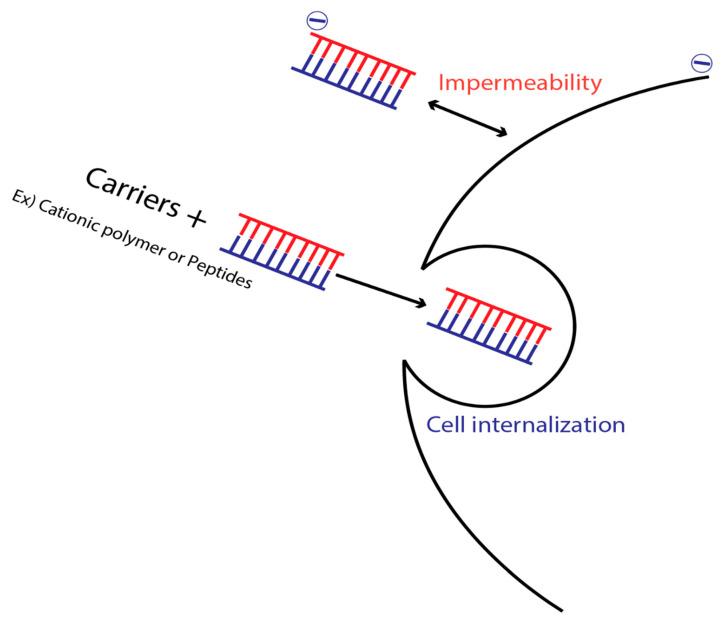
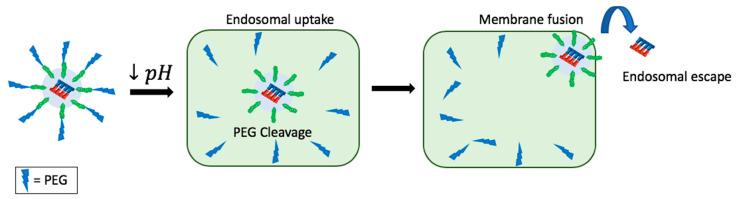
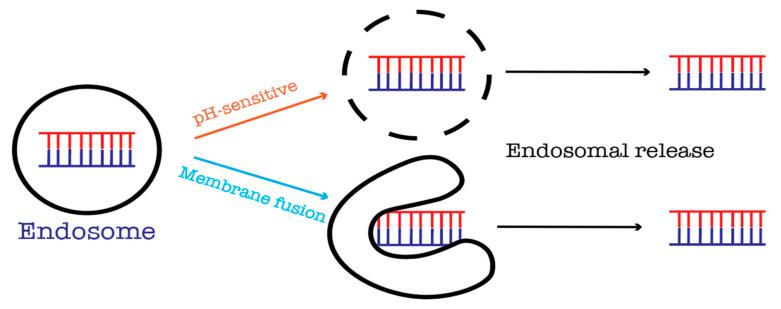
The RNA interference (RNAi) pathway possesses immense potential in silencing any gene in human cells. Small interfering RNA (siRNA) can efficiently trigger RNAi silencing of specific genes. FDA Approval of siRNA therapeutics in recent years garnered a new hope in siRNA therapeutics. However, their therapeutic use is limited by several challenges. siRNAs, being negatively charged, are membrane-impermeable and highly unstable in the systemic circulation. In this review, we have comprehensively discussed the extracellular barriers, including enzymatic degradation of siRNAs by serum endonucleases and RNAases, rapid renal clearance, membrane impermeability, and activation of the immune system. Besides, we have thoroughly described the intracellular barriers such as endosomal trap and off-target effects of siRNAs. Moreover, we have reported most of the strategies and techniques in overcoming these barriers, followed by critical comments in translating these molecules from bench to bedside.
RNA干扰(RNAi)途径在沉默人类细胞中的任何基因方面具有巨大潜力。小干扰RNA(siRNA)能够有效触发特定基因的RNAi沉默。近年来,siRNA疗法获得美国食品药品监督管理局(FDA)批准,为siRNA治疗带来了新希望。然而,它们的治疗应用受到若干挑战的限制。siRNA带负电荷,细胞膜不可渗透,且在体循环中高度不稳定。在本综述中,我们全面讨论了细胞外屏障,包括血清核酸内切酶和RNA酶对siRNA的酶促降解、快速肾脏清除、细胞膜不可渗透性以及免疫系统的激活。此外,我们还详细描述了细胞内屏障,如siRNA的内体捕获和脱靶效应。而且,我们报告了克服这些屏障的大多数策略和技术,随后对将这些分子从实验室转化到临床应用进行了批判性评论。


 Zotero 插件