
基于 TCGA 分析的急性髓系白血病患者体细胞突变相关微环境特征的描述。
Characterization of somatic mutation-associated microenvironment signatures in acute myeloid leukemia patients based on TCGA analysis.
机构信息
Peking University People's Hospital, Peking University Institute of Hematology, National Clinical Research Center for Hematologic Disease, No. 11 Xizhimen South Street, Xicheng District, Beijing, 100044, China.
出版信息
Sci Rep. 2020 Nov 4;10(1):19037. doi: 10.1038/s41598-020-76048-8.
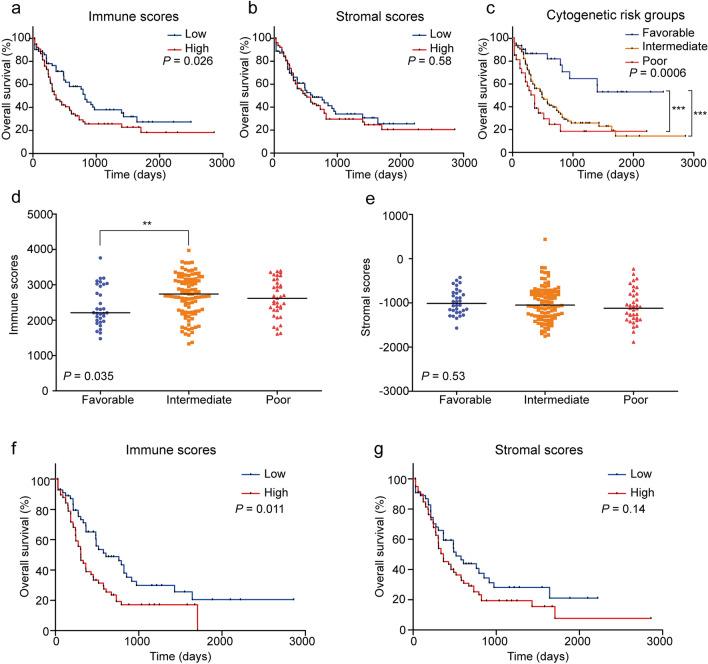
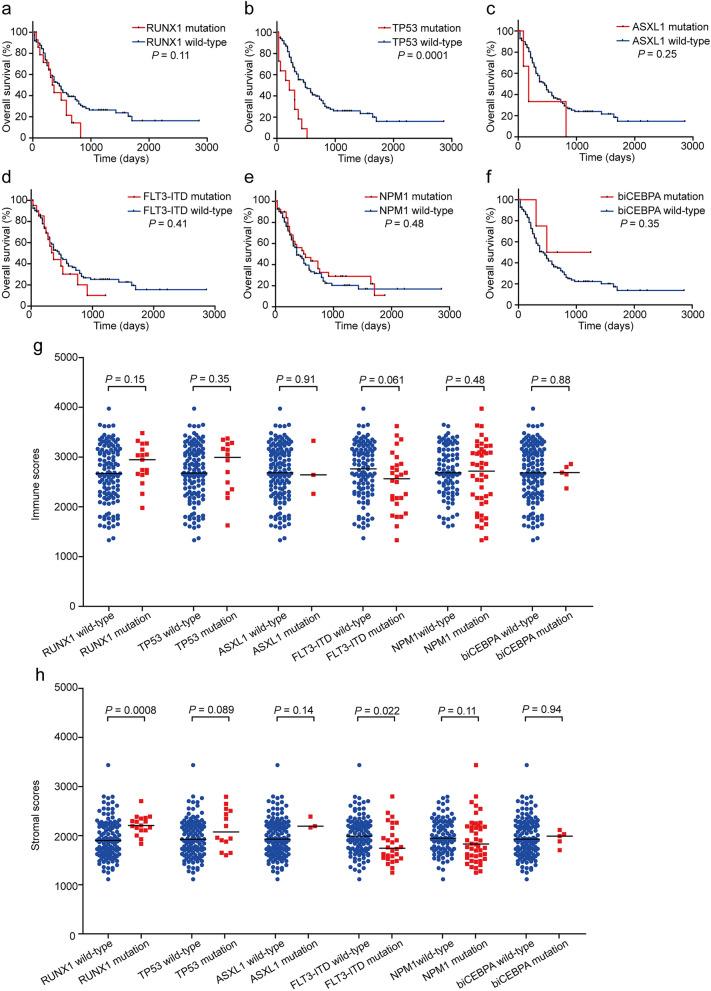
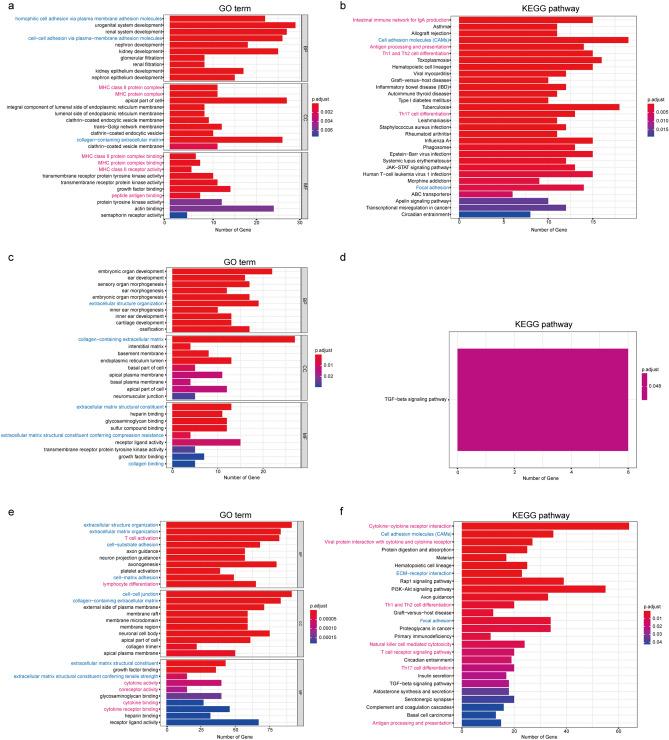
Recurrent genetic mutations occur in acute myeloid leukemia (AML) and have been incorporated into risk stratification to predict the prognoses of AML patients. The bone marrow microenvironment plays a critical role in the development and progression of AML. However, the characteristics of the genetic mutation-associated microenvironment have not been comprehensively identified to date. In this study, we obtained the gene expression profiles of 173 AML patients from The Cancer Genome Atlas (TCGA) database and calculated their immune and stromal scores by applying the ESTIMATE algorithm. Immune scores were significantly associated with OS and cytogenetic risk. Next, we categorized the intermediate and poor cytogenetic risk patients into individual-mutation and wild-type groups according to RUNX1, ASXL1, TP53, FLT3-ITD, NPM1 and biallelic CEBPA mutation status. The relationships between the immune microenvironment and each genetic mutation were investigated by identifying differentially expressed genes (DEGs) and conducting functional enrichment analyses of them. Significant immune- and stromal-relevant DEGs associated with each mutation were identified, and most of the DEGs (from the FLT3-ITD, NPM1 and biallelic CEBPA mutation groups) were validated in the GSE14468 cohort downloaded from the Gene Expression Omnibus (GEO) database. In summary, we identified key immune- and stromal-relevant gene signatures associated with genetic mutations in AML, which may provide new biomarkers for risk stratification and personalized immunotherapy.
在急性髓系白血病(AML)中经常发生遗传突变,并已被纳入风险分层,以预测 AML 患者的预后。骨髓微环境在 AML 的发生和进展中起着关键作用。然而,与遗传突变相关的微环境的特征迄今尚未得到全面鉴定。在这项研究中,我们从癌症基因组图谱(TCGA)数据库中获得了 173 名 AML 患者的基因表达谱,并应用 ESTIMATE 算法计算了他们的免疫和基质评分。免疫评分与 OS 和细胞遗传学风险显著相关。接下来,我们根据 RUNX1、ASXL1、TP53、FLT3-ITD、NPM1 和双等位 CEBPA 突变状态将中危和高危细胞遗传学风险患者分为个体突变和野生型组。通过鉴定差异表达基因(DEGs)并对其进行功能富集分析,研究了免疫微环境与每种遗传突变之间的关系。确定了与每种突变相关的显著免疫和基质相关的 DEGs,并在从基因表达综合数据库(GEO)下载的 GSE14468 队列中验证了大多数 DEGs(来自 FLT3-ITD、NPM1 和双等位 CEBPA 突变组)。总之,我们确定了与 AML 遗传突变相关的关键免疫和基质相关基因特征,这可能为风险分层和个性化免疫治疗提供新的生物标志物。

 Zotero 插件