
草药的肾毒性及其预防
Nephrotoxicity of Herbal Medicine and Its Prevention.
作者信息
Xu Xiaofen, Zhu Ruyi, Ying Jialiang, Zhao Mengting, Wu Xin, Cao Gang, Wang Kuilong
机构信息
School of Pharmacy, Zhejiang Chinese Medical University, Hangzhou, China.
School of Pharmacy, Guizhou University of Traditional Chinese Medicine, Guiyang, China.
出版信息
Front Pharmacol. 2020 Oct 15;11:569551. doi: 10.3389/fphar.2020.569551. eCollection 2020.
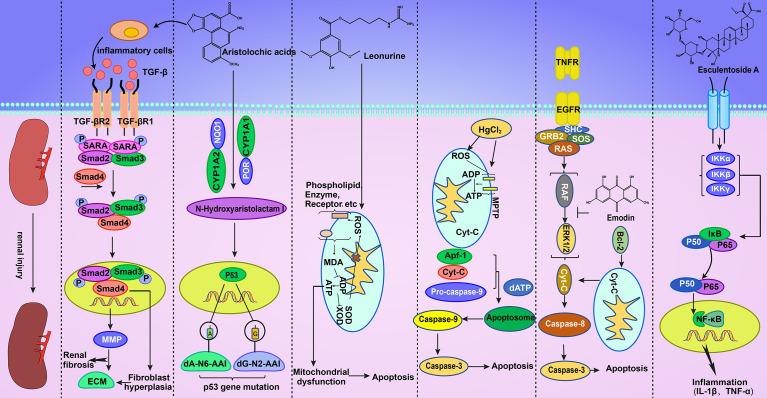
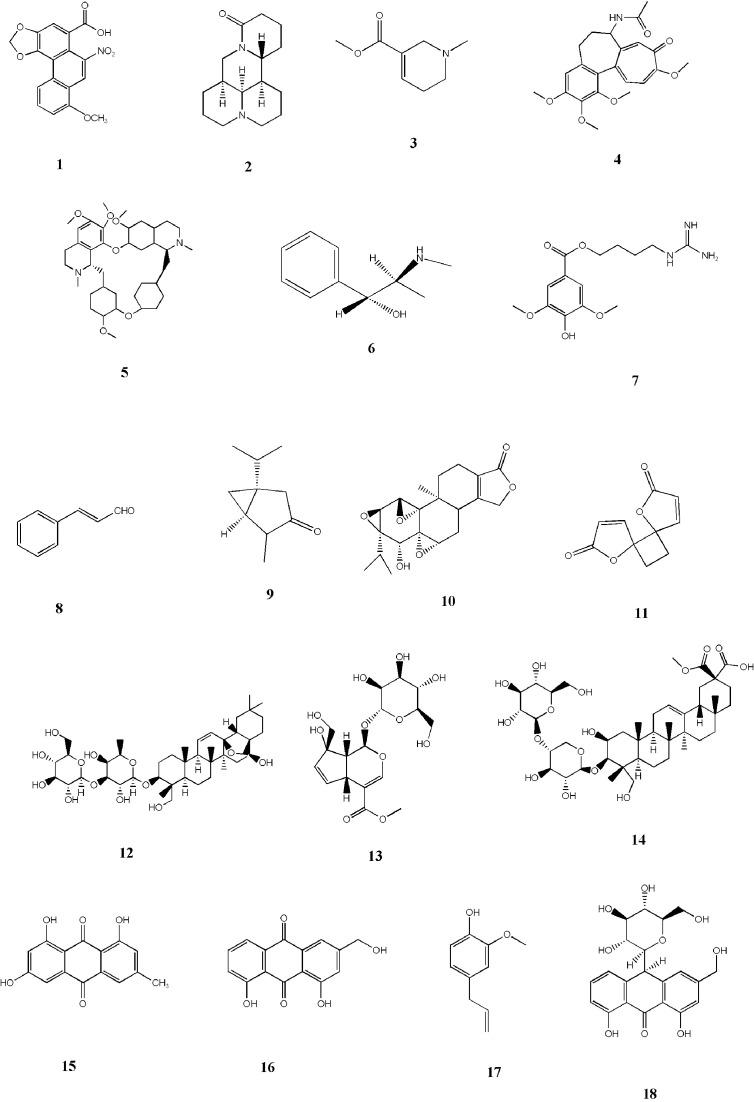
Herbal medicine (HM) has been widely used to treat diseases for thousands of years and has greatly contributed to the health of human beings. Many new drugs have been developed from HM, such as artemisinin. However, artemisinin has adverse effects, such as renal toxicity. In 1993, a study conducted in Belgium reported for the first time that the root extracts of Aristolochia obliqua S. M. Hwang led to progressive interstitial renal fibrosis. The nephrotoxicity of HM has attracted worldwide attention. More than 100 kinds of HM induce renal toxicity, including some herbs, animal HMs, and minerals. This paper aimed to summarize the HM compounds that cause nephrotoxicity, the mechanisms underlying the toxicity of these compounds, biomarkers of renal injury, and prevention strategies. These findings provide a basis for follow-up studies on the prevention and treatment of HM nephrotoxicity.
草药(HM)已被广泛用于治疗疾病数千年,并为人类健康做出了巨大贡献。许多新药都是从草药中开发出来的,比如青蒿素。然而,青蒿素有不良反应,如肾毒性。1993年,在比利时进行的一项研究首次报告,斜茎马兜铃的根提取物会导致进行性间质性肾纤维化。草药的肾毒性已引起全球关注。100多种草药会诱发肾毒性,包括一些草本植物、动物类草药和矿物类草药。本文旨在总结导致肾毒性的草药化合物、这些化合物毒性的潜在机制、肾损伤的生物标志物以及预防策略。这些研究结果为后续关于草药肾毒性防治的研究提供了依据。
 Zotero 插件