
瑞德西韦强烈结合 SARS-CoV-2 的 RNA 依赖性 RNA 聚合酶和主要蛋白酶:来自分子模拟的证据。
Remdesivir Strongly Binds to Both RNA-Dependent RNA Polymerase and Main Protease of SARS-CoV-2: Evidence from Molecular Simulations.
机构信息
Life Science Lab, Institute for Computational Science and Technology, Quang Trung Software City, Tan Chanh Hiep Ward, District 12, Ho Chi Minh City 700000, Vietnam.
Dong Thap University, 783 Pham Huu Lau Street, Ward 6, Cao Lanh City 870000, Dong Thap, Vietnam.
出版信息
J Phys Chem B. 2020 Dec 17;124(50):11337-11348. doi: 10.1021/acs.jpcb.0c07312. Epub 2020 Dec 2.
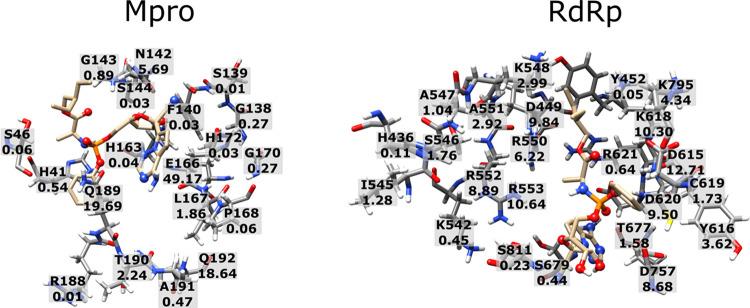
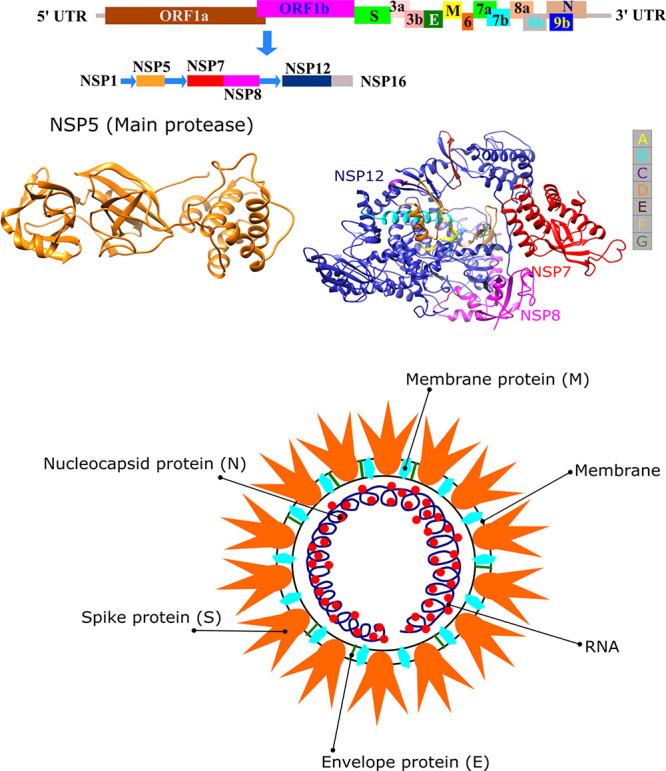
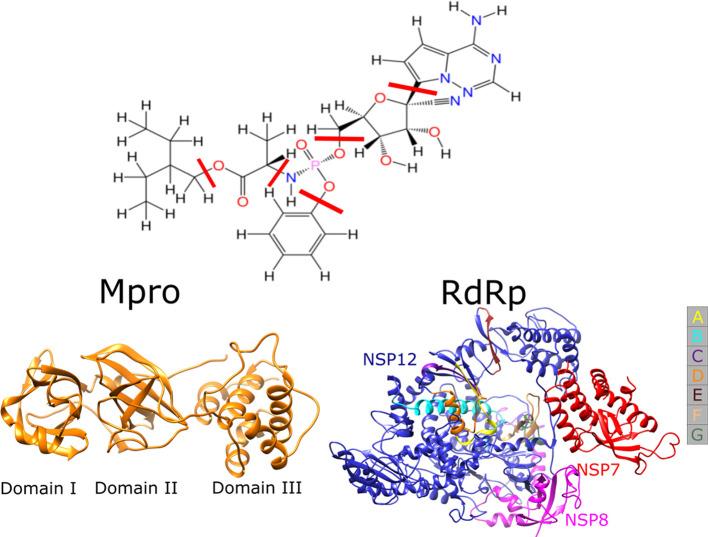
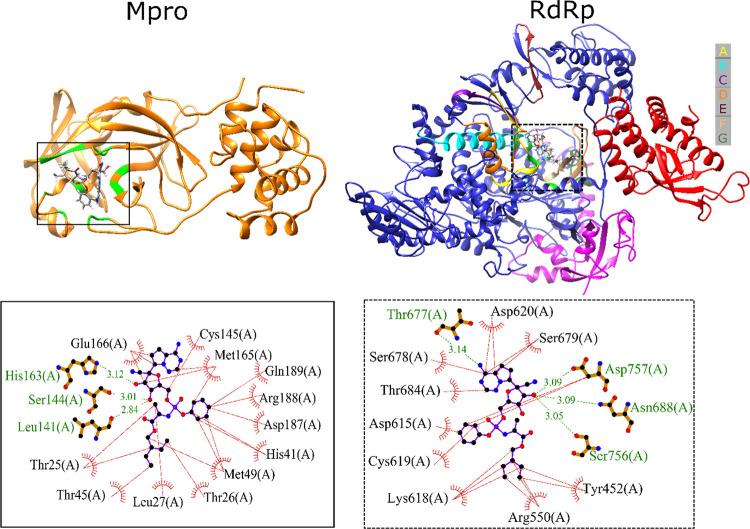
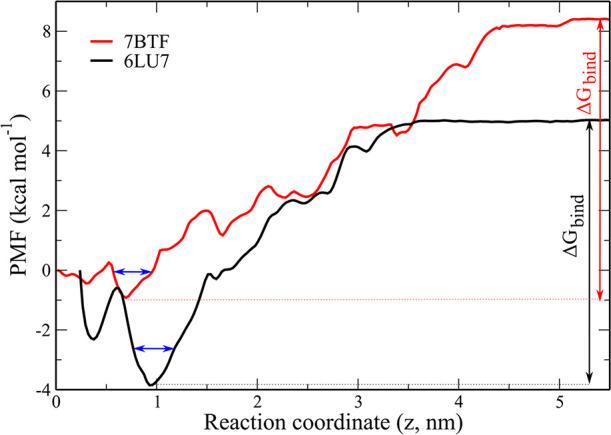
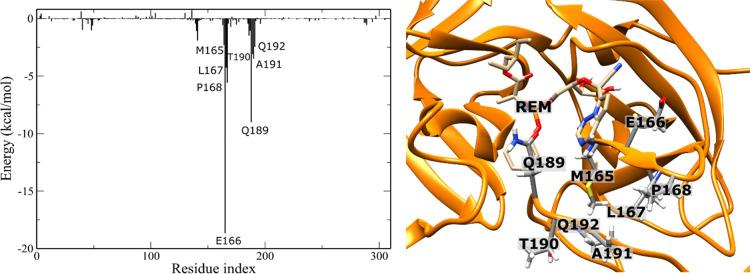
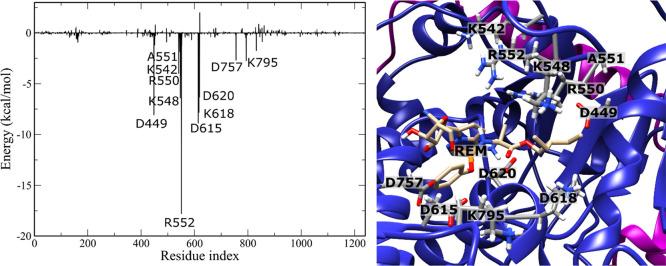
The outbreak of a new coronavirus SARS-CoV-2 (severe acute respiratory syndrome-coronavirus 2) has caused a global COVID-19 (coronavirus disease 2019) pandemic, resulting in millions of infections and thousands of deaths around the world. There is currently no drug or vaccine for COVID-19, but it has been revealed that some commercially available drugs are promising, at least for treating symptoms. Among them, remdesivir, which can block the activity of RNA-dependent RNA polymerase (RdRp) in old SARS-CoV and MERS-CoV viruses, has been prescribed to COVID-19 patients in many countries. A recent experiment showed that remdesivir binds to SARS-CoV-2 with an inhibition constant of μM, but the exact target has not been reported. In this work, combining molecular docking, steered molecular dynamics, and umbrella sampling, we examined its binding affinity to two targets including the main protease (Mpro), also known as 3C-like protease, and RdRp. We showed that remdesivir binds to Mpro slightly weaker than to RdRp, and the corresponding inhibition constants, consistent with the experiment, fall to the μM range. The binding mechanisms of remdesivir to two targets differ in that the electrostatic interaction is the main force in stabilizing the RdRp-remdesivir complex, while the van der Waals interaction dominates in the Mpro-remdesivir case. Our result indicates that remdesivir can target not only RdRp but also Mpro, which can be invoked to explain why this drug is effective in treating COVID-19. We have identified residues of the target protein that make the most important contribution to binding affinity, and this information is useful for drug development for this disease.
新型冠状病毒 SARS-CoV-2(严重急性呼吸综合征冠状病毒 2)的爆发引发了全球 COVID-19(2019 年冠状病毒病)大流行,导致全球数以百万计的感染和数千人死亡。目前尚无针对 COVID-19 的药物或疫苗,但已经发现一些市售药物有希望,至少可以治疗症状。其中,瑞德西韦可阻断旧 SARS-CoV 和 MERS-CoV 病毒中 RNA 依赖性 RNA 聚合酶(RdRp)的活性,已在许多国家开给 COVID-19 患者。最近的一项实验表明,瑞德西韦与 SARS-CoV-2 的结合抑制常数为 μM,但确切的靶点尚未报道。在这项工作中,我们结合分子对接、导向分子动力学和伞状采样,研究了它与两种靶标(包括主蛋白酶(Mpro),也称为 3C 样蛋白酶和 RdRp)的结合亲和力。我们表明,瑞德西韦与 Mpro 的结合比 RdRp 略弱,相应的抑制常数与实验一致,落入 μM 范围。瑞德西韦与两种靶标的结合机制不同,静电相互作用是稳定 RdRp-瑞德西韦复合物的主要力,而范德华相互作用在 Mpro-瑞德西韦情况下占主导地位。我们的结果表明,瑞德西韦不仅可以靶向 RdRp,还可以靶向 Mpro,这可以解释为什么这种药物在治疗 COVID-19 方面有效。我们已经确定了靶蛋白中对结合亲和力贡献最大的残基,这些信息对该疾病的药物开发很有用。



 Zotero 插件