
蛋白酶体生物学:化学与生物工程学见解
Proteasome Biology: Chemistry and Bioengineering Insights.
作者信息
Račková Lucia, Csekes Erika
机构信息
Centre of Experimental Medicine, Institute of Experimental Pharmacology and Toxicology, Slovak Academy of Sciences, Dúbravská cesta 9, 841 04 Bratislava, Slovakia.
出版信息
Polymers (Basel). 2020 Dec 4;12(12):2909. doi: 10.3390/polym12122909.
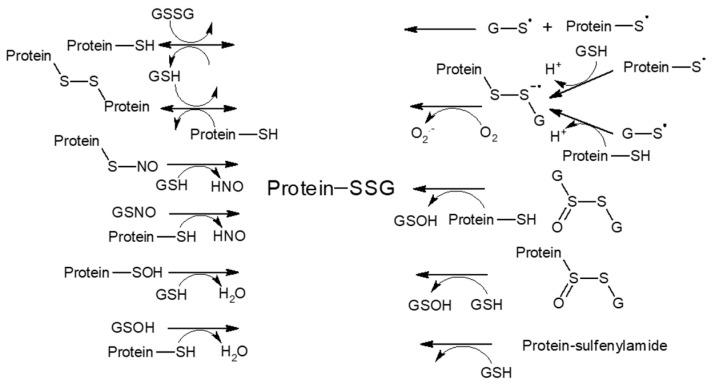
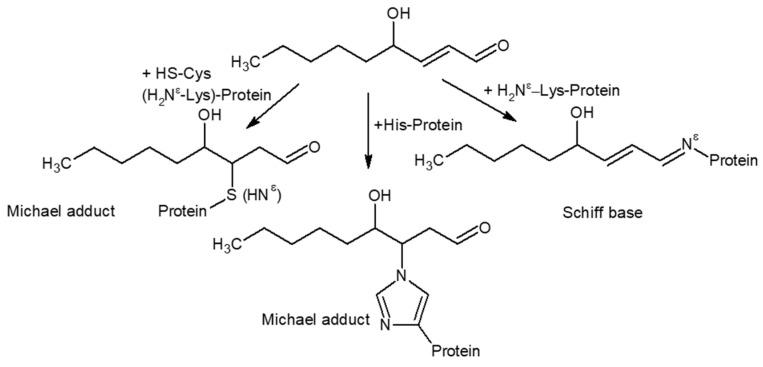
Proteasomal degradation provides the crucial machinery for maintaining cellular proteostasis. The biological origins of modulation or impairment of the function of proteasomal complexes may include changes in gene expression of their subunits, ubiquitin mutation, or indirect mechanisms arising from the overall impairment of proteostasis. However, changes in the physico-chemical characteristics of the cellular environment might also meaningfully contribute to altered performance. This review summarizes the effects of physicochemical factors in the cell, such as pH, temperature fluctuations, and reactions with the products of oxidative metabolism, on the function of the proteasome. Furthermore, evidence of the direct interaction of proteasomal complexes with protein aggregates is compared against the knowledge obtained from immobilization biotechnologies. In this regard, factors such as the structures of the natural polymeric scaffolds in the cells, their content of reactive groups or the sequestration of metal ions, and processes at the interface, are discussed here with regard to their influences on proteasomal function.
蛋白酶体降解为维持细胞蛋白质稳态提供了关键机制。蛋白酶体复合物功能调节或受损的生物学起源可能包括其亚基基因表达的变化、泛素突变,或蛋白质稳态整体受损产生的间接机制。然而,细胞环境物理化学特性的变化也可能对功能改变产生重要影响。本综述总结了细胞内物理化学因素,如pH值、温度波动以及与氧化代谢产物的反应,对蛋白酶体功能的影响。此外,将蛋白酶体复合物与蛋白质聚集体直接相互作用的证据与从固定化生物技术获得的知识进行了比较。在这方面,本文讨论了细胞中天然聚合物支架的结构、其反应基团的含量或金属离子的螯合以及界面处的过程等因素对蛋白酶体功能的影响。





 Zotero 插件