
晚期糖基化终末产物(AGE)与AGE受体的可溶性形式:在慢性肾脏病中作为死亡风险因素的新作用。
Advanced Glycation End Products (AGE) and Soluble Forms of AGE Receptor: Emerging Role as Mortality Risk Factors in CKD.
作者信息
Dozio Elena, Vettoretti Simone, Caldiroli Lara, Nerini-Molteni Silvia, Tacchini Lorenza, Ambrogi Federico, Messa Piergiorgio, Corsi Romanelli Massimiliano M
机构信息
Department of Biomedical Science for Health, Laboratory of Clinical Pathology, Università degli Studi di Milano, 20133 Milan, Italy.
Unit of Nephrology, Dialysis and Kidney Transplantation, Fondazione IRCCS Ca' Granda Ospedale Maggiore Policlinico di Milano, 20122 Milan, Italy.
出版信息
Biomedicines. 2020 Dec 21;8(12):638. doi: 10.3390/biomedicines8120638.
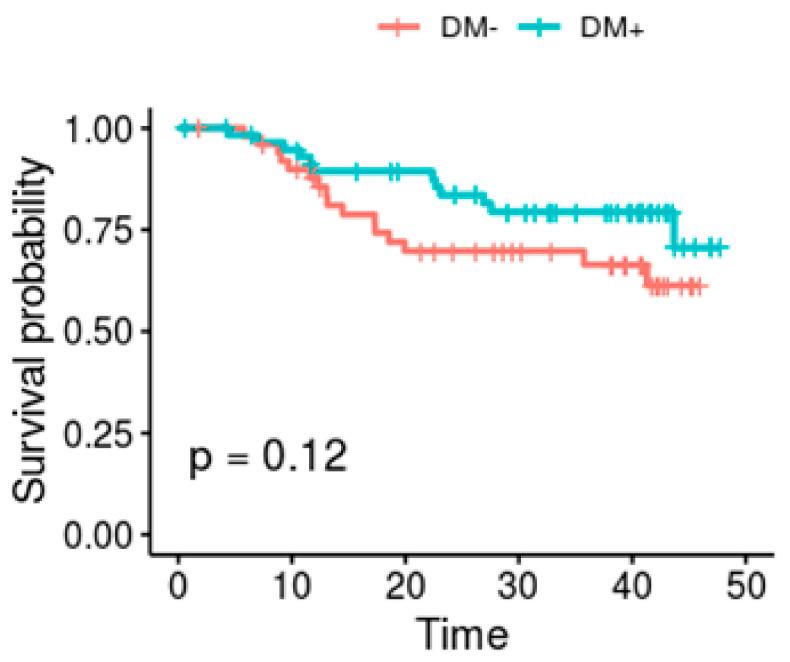
Advanced glycation end-products (AGE) can promote chronic kidney disease (CKD) progression and CKD-related morbidities. The soluble receptor for AGE (sRAGE) is a potential biomarker of inflammation and oxidative stress. Here, we explored the role of AGE, glycated albumin, sRAGE and its different forms, cRAGE and esRAGE, as prognostic factors for mortality in 111 advanced CKD patients. The median follow-up time was 39 months. AGE were quantified by fluorescence, sRAGE and its forms by ELISA. Malnutrition was screened by the Malnutrition Inflammation Score (MIS). The Cox proportional hazards regression model was used to assess the association of variables with all-cause mortality. Mean levels of sRAGE, esRAGE and cRAGE were 2318 ± 1224, 649 ± 454 and 1669 ± 901 pg/mL. The mean value of cRAGE/esRAGE was 2.82 ± 0.96. AGE were 3026 ± 766 AU and MIS 6.0 ± 4.7. eGFR correlated negatively with AGE, sRAGE, esRAGE and cRAGE, but not with cRAGE/esRAGE. Twenty-eight patients died. No difference was observed between diabetic and non-diabetic patients. Starting dialysis was not associated with enhanced risk of death. AGE, esRAGE and cRAGE/esRAGE were independently associated with all-cause mortality. AGE, esRAGE and cRAGE/esRAGE may help to stratify overall mortality risk. Implementing the clinical evaluation of CKD patients by quantifying these biomarkers can help to improve patient outcomes.
晚期糖基化终末产物(AGE)可促进慢性肾脏病(CKD)进展及与CKD相关的发病情况。可溶性AGE受体(sRAGE)是炎症和氧化应激的潜在生物标志物。在此,我们探讨了AGE、糖化白蛋白、sRAGE及其不同形式(cRAGE和esRAGE)作为111例晚期CKD患者死亡率预后因素的作用。中位随访时间为39个月。通过荧光法定量检测AGE,通过酶联免疫吸附测定法检测sRAGE及其形式。通过营养不良炎症评分(MIS)筛查营养不良情况。采用Cox比例风险回归模型评估变量与全因死亡率的关联。sRAGE、esRAGE和cRAGE的平均水平分别为2318±1224、649±454和1669±901 pg/mL。cRAGE/esRAGE的平均值为2.82±0.96。AGE为3026±766 AU,MIS为6.0±4.7。估算肾小球滤过率(eGFR)与AGE、sRAGE、esRAGE和cRAGE呈负相关,但与cRAGE/esRAGE无关。28例患者死亡。糖尿病患者和非糖尿病患者之间未观察到差异。开始透析与死亡风险增加无关。AGE、esRAGE和cRAGE/esRAGE与全因死亡率独立相关。AGE、esRAGE和cRAGE/esRAGE可能有助于分层总体死亡风险。通过定量这些生物标志物对CKD患者进行临床评估有助于改善患者预后。

 Zotero 插件